
The Transition Back to School Starts Before the First Day
A successful school year begins long before the first day of class. Learn evidence-based strategies to help your child transition back to school with greater confidence, stronger routines, and reduced stress.
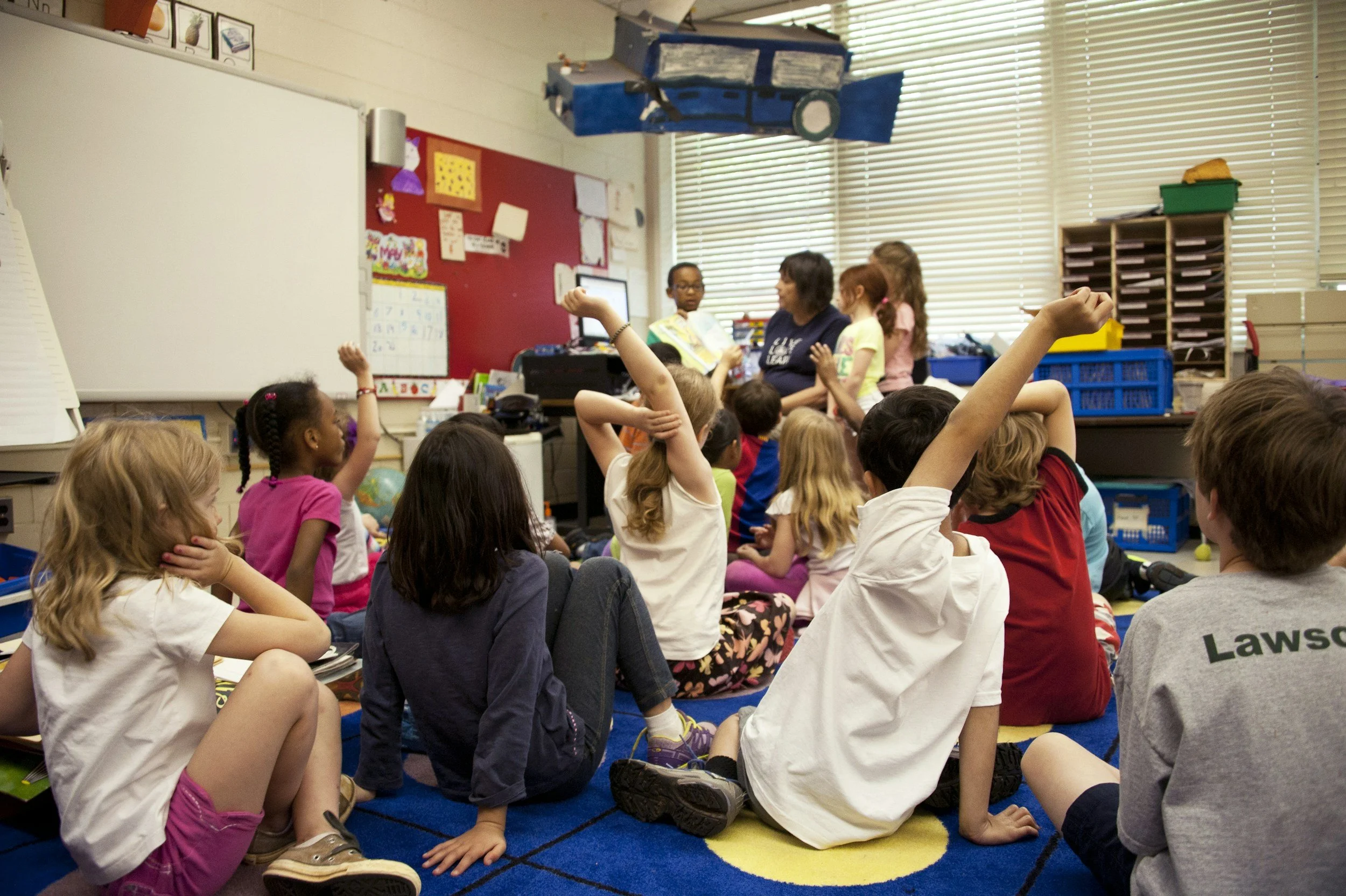
For many families, the start of a new school year begins with shopping for supplies, finding backpacks, and checking class schedules. While those preparations certainly matter, one of the most important aspects of a successful school year often begins long before a child walks through the school doors. The transition back to school is not simply a change in location. It is a shift in routines, expectations, relationships, and demands that can have a meaningful impact on a child's academic, emotional, and behavioral adjustment.
Research in developmental psychology consistently shows that children thrive when they experience predictability and routine. During the summer, many schedules naturally become more flexible. Bedtimes are pushed later, mornings become less structured, and daily routines often revolve around vacations, camps, or family activities. While this flexibility can be refreshing, abruptly returning to the structure of the school year can be challenging for many children.
One of the most effective ways parents can ease this transition is by gradually reintroducing school routines before the first day. Research has shown that adequate sleep plays an important role in attention, memory, emotional regulation, and learning. Rather than shifting bedtime the night before school begins, adjusting sleep schedules by fifteen to thirty minutes every few days allows children's bodies to adapt more naturally.
The transition also provides an opportunity to rebuild routines that support independence. Simple responsibilities such as packing a backpack, choosing clothes the night before, organizing school materials, or preparing part of their lunch help children practice executive functioning skills like planning, organization, and responsibility. While these tasks may seem small, repeated opportunities to develop independence often reduce stress for both children and parents once the school year begins.
For some children, however, the biggest challenge is not organization. It is uncertainty.
Returning to school often brings questions that children may not openly express. Will my teacher like me? Will my friends still be in my class? What if the work is harder? What if I make mistakes? These concerns are common, even among children who are excited about returning to school. Research suggests that helping children identify and talk about their emotions can reduce anxiety and improve emotional regulation. Sometimes the most supportive response is simply creating space for children to share their thoughts without immediately trying to solve every problem.
Parents can also help by focusing conversations on growth rather than performance. Instead of emphasizing grades or achievement before the school year even begins, discussions about learning, curiosity, effort, kindness, and problem-solving establish expectations that encourage resilience. Children benefit from knowing that mistakes are an expected part of learning rather than something to fear.
For children with existing learning, attention, behavioral, or emotional challenges, preparation often involves additional planning. Reviewing accommodations, ensuring communication with the school is established, and discussing strategies that were successful the previous year can help create a smoother transition. Beginning these conversations before concerns arise often leads to stronger collaboration throughout the school year.
The weeks leading up to school also provide valuable opportunities for parents to observe their children. Without the structure of the classroom, some children continue reading, organizing themselves, and managing responsibilities with relative ease. Others continue to struggle with attention, following directions, reading, writing, or completing age-appropriate tasks despite encouragement and support. Sometimes these patterns become even more noticeable during the summer because parents have greater opportunities to observe them firsthand.
When concerns persist across settings and over time, they may warrant a closer look. Rather than waiting until the first report card or parent-teacher conference, beginning the school year with a clearer understanding of how a child learns can help families and educators provide support from the very beginning. Comprehensive psychoeducational evaluations help identify cognitive strengths, academic skills, executive functioning, attention, and other factors that influence learning, allowing interventions to be based on understanding rather than trial and error.
Perhaps the most important reminder is that a successful school year is not determined by the first day alone. It is shaped by the routines, relationships, expectations, and preparation that begin well before children ever step into the classroom. Small adjustments made during the final weeks of summer can have lasting effects on confidence, independence, and readiness to learn.
As another school year approaches, remember that preparing children is about much more than buying supplies. It is about helping them feel organized, supported, confident, and ready for the opportunities ahead.
For more insights like this, follow along as we continue exploring child development, learning, and practical ways families can support children both in and out of the classroom.

Your Child's Brain Is Built to Change: Understanding Neuroplasticity
Neuroplasticity is the brain's remarkable ability to change throughout life. Discover how learning, relationships, and early intervention help shape children's developing brains and why understanding this process can change how we think about growth and learning.
One of the greatest misconceptions about learning is the belief that children are simply born with certain abilities and that those abilities remain relatively fixed over time. When a child struggles with reading, organization, attention, or mathematics year after year, it can begin to feel as though those challenges are permanent. Parents may wonder whether their child will ever catch up, and children themselves may begin to believe they simply are not good at school.
Fortunately, decades of neuroscience research tell a much different story.
One of the most significant discoveries in modern neuroscience is the concept of neuroplasticity, the brain's remarkable ability to change, adapt, and reorganize itself throughout life. Every time a child learns a new skill, practices a strategy, solves a problem, or experiences something meaningful, networks of neurons communicate with one another. Repeated experiences strengthen these neural connections, making the brain more efficient at performing those skills in the future. Rather than being fixed, the developing brain is continually shaped by learning, experience, relationships, and the environment.
While neuroplasticity exists throughout the lifespan, childhood represents one of the most dynamic periods of brain development. During these years, the brain is especially responsive to new experiences, making them an important time for acquiring academic skills, developing emotional regulation, strengthening executive functioning, and building healthy habits that support lifelong learning.
This does not mean that every challenge disappears with enough practice, nor does it suggest that children simply need to work harder. Learning differences, ADHD, developmental disorders, and other conditions are real and deserve thoughtful, evidence-based support. What neuroplasticity does tell us is that the brain has an extraordinary capacity to improve when children receive the right instruction, interventions, and opportunities to practice meaningful skills over time.
Research has consistently demonstrated that evidence-based instruction and targeted intervention can produce measurable improvements in learning and even changes in how the brain processes information. Children with reading difficulties, for example, have shown changes in brain activation following structured literacy interventions. Similar findings have been reported in areas such as language development, attention, executive functioning, and mathematics. These discoveries have fundamentally changed how educators and psychologists think about learning and intervention.
Relationships also play an important role in brain development. Supportive interactions with parents, teachers, and other trusted adults help create environments where children feel emotionally safe enough to learn. Research suggests that chronic stress can interfere with attention, memory, and learning by affecting the brain's stress response systems. Conversely, consistent encouragement, emotional support, and positive relationships help children regulate emotions and engage more effectively in learning experiences.
One of the most encouraging aspects of neuroplasticity is that meaningful growth is often gradual. Parents sometimes hope for dramatic improvements, but the brain typically changes through repeated experiences over time. A child who independently reads one more page than they could last month, remembers to organize their backpack more consistently, or approaches challenging work with greater confidence is demonstrating meaningful progress. These small improvements often reflect important changes occurring beneath the surface as new neural pathways become stronger and more efficient.
At the same time, neuroplasticity is not a reason to delay support. While the brain remains capable of learning throughout life, early identification allows children to receive interventions during one of the most responsive periods of development. Understanding why a child is struggling allows families and educators to provide targeted supports rather than relying on trial and error.
This is one reason comprehensive psychoeducational evaluations can be so valuable. By identifying a child's cognitive strengths, learning profile, academic skills, attention, executive functioning, and social-emotional functioning, an evaluation provides a clearer understanding of how that child learns best. Rather than focusing solely on areas of difficulty, the goal is to identify strengths that can be leveraged while developing interventions that address specific areas of need. When instruction is aligned with a child's learning profile, the brain is given greater opportunities to build the connections that support growth.
Perhaps the most hopeful message neuroplasticity offers is that children should never be defined by where they are today. Development is an ongoing process, and the brain is continually adapting to the experiences it encounters. With evidence-based instruction, supportive relationships, meaningful practice, and appropriate intervention when needed, children can continue developing skills that once seemed out of reach.
Understanding neuroplasticity reminds us that growth is rarely about changing who a child is. It is about creating the conditions that allow them to become the most capable version of themselves.