

When Excellence Becomes Exhausting: Understanding Academic Perfectionism in Adolescents
Academic success does not always reflect emotional well-being. Some middle and high school students maintain exceptional grades while experiencing significant anxiety, fear of failure, and pressure to meet increasingly demanding expectations. From my perspective as a school psychologist, understanding the difference between healthy achievement striving and maladaptive perfectionism is essential to supporting adolescents' academic, emotional, and psychological development.
As a school psychologist, I work with middle and high school students who are navigating increasingly complex academic, social, and developmental expectations. Through my years of experience and evidence-based practice, I have come to recognize that academic success does not always tell us how well a student is functioning. A student may earn excellent grades, enroll in advanced courses, meet every deadline, and appear highly motivated while privately experiencing significant anxiety, self-doubt, or fear of failure. For some adolescents, the pursuit of academic excellence becomes less about learning and personal growth and more about avoiding mistakes, disappointing others, or falling short of expectations they believe they must meet.
There is nothing inherently unhealthy about having high standards, setting ambitious goals, or taking pride in academic accomplishments. In fact, developing persistence, self-discipline, and a sense of responsibility are important aspects of adolescent development. The distinction lies in how students respond when their performance does not meet their expectations. A student with healthy achievement goals may feel disappointed after receiving a lower grade than anticipated but can generally recognize that one performance does not define their abilities or worth. A student experiencing maladaptive perfectionism may interpret that same grade as evidence of personal failure, question their competence, or become consumed by thoughts about what they should have done differently.
Researchers often distinguish between perfectionistic strivings, which involve setting exceptionally high personal standards, and perfectionistic concerns, which include excessive worry about mistakes, doubts about one's actions, and fear of negative evaluation. These dimensions can overlap, but they are not interchangeable. Perfectionistic concerns, particularly when accompanied by harsh self-criticism and a sense that acceptance depends on achievement, are more consistently associated with psychological distress. This distinction is important because we should not assume that every high-achieving student is struggling emotionally or that ambitious academic goals are inherently unhealthy.
During adolescence, academic performance can become closely connected to identity. Students are developing a stronger sense of who they are, what they value, how they compare with others, and what their future might look like. At the same time, the academic environment often becomes more competitive. Advanced coursework, grade point averages, class rankings, standardized assessments, college admissions, scholarships, and extracurricular expectations can create an atmosphere in which students feel that nearly every decision carries consequences for their future. For some students, particularly those who have consistently been recognized for their academic abilities, the possibility of falling short can feel especially threatening.
This pressure does not necessarily originate from one source. Family expectations, school culture, peer comparisons, social media, and students' own internal standards can all influence how they interpret academic success. A parent may intend to encourage their child by emphasizing the importance of grades and future opportunities, while the child interprets that message as meaning anything less than exceptional performance is unacceptable. Similarly, educators may recognize students primarily for their achievements without realizing that some have begun to associate approval with maintaining those accomplishments. These dynamics do not mean that parents or teachers are responsible for every instance of perfectionism. Rather, they illustrate how the messages students receive, combined with their individual characteristics and experiences, can shape their relationship with achievement.
One of the more concerning aspects of maladaptive perfectionism is that it does not always resemble what adults expect. We may imagine a perfectionistic student as someone who is exceptionally organized, consistently prepared, and meticulous about every assignment. While that may describe some students, perfectionism can also contribute to procrastination, avoidance, difficulty making decisions, and problems completing work. A student may spend excessive time revising an assignment because it never feels good enough, delay beginning a project because they are uncertain they can meet their own standards, or avoid attempting a challenging task because the possibility of making mistakes feels overwhelming.
In these situations, the difficulty is not necessarily a lack of motivation or effort. The student may care so much about the outcome that the process of getting started or finishing becomes increasingly difficult. This is one reason I believe it is important to look beyond observable academic behaviors when trying to understand a student's functioning. Incomplete assignments, missed deadlines, repeated requests for reassurance, or reluctance to participate may reflect several possible underlying factors, including executive functioning difficulties, anxiety, gaps in academic skills, or perfectionistic concerns. Understanding what is contributing to the behavior is essential before determining how best to respond.
Perfectionism can also interfere with the learning process itself. Learning requires students to encounter unfamiliar material, make mistakes, revise their understanding, and gradually develop greater competence. When mistakes are interpreted as evidence of inadequacy rather than a normal part of learning, students may become less willing to take intellectual risks. They may avoid courses in which they are unlikely to earn the highest grade, hesitate to ask questions because they do not want to appear confused, or select assignments and activities that allow them to maintain an image of competence. Over time, the desire to demonstrate ability can begin to compete with the willingness to develop it.
I find this distinction particularly important when considering academically advanced students. A student who has experienced years of relatively effortless academic success may have had fewer opportunities to practice managing frustration, persisting through uncertainty, or recovering from disappointing performance. When academic demands eventually increase, the student may interpret difficulty as evidence that something is wrong rather than recognizing that greater challenge is a natural part of development. This does not apply to every gifted or high-achieving student, but it highlights why academic ability and coping skills should not be assumed to develop at the same pace.
The emotional and physical demands associated with maladaptive perfectionism can also be significant. Students may experience persistent worry about grades, difficulty disengaging from schoolwork, disrupted sleep, irritability, or feelings of inadequacy despite objectively strong performance. Some begin sacrificing activities, relationships, rest, and other important developmental experiences in an effort to maintain academic standards. Others may appear successful throughout the school day but experience considerable distress at home, where the pressure they have been managing becomes more apparent. Research has identified associations between maladaptive perfectionism and symptoms of anxiety, depression, and academic burnout, although these relationships are complex and do not mean perfectionism inevitably causes a mental health condition.
From a developmental perspective, adolescence should involve much more than preparing for the next academic milestone. Young people are learning to establish relationships, develop autonomy, explore interests, manage emotions, make decisions, and form identities that extend beyond their performance in school. When academic achievement becomes the primary measure of personal value, students may have fewer opportunities to appreciate the other qualities and experiences that contribute to their development. A teenager can be academically successful and still need support in developing flexibility, self-compassion, emotional regulation, and a more balanced understanding of success.
Parents and educators can help by paying attention not only to what students achieve but also to how they experience the process of achievement. A student who earns an A but remains distressed about the points they lost may be communicating something important about their relationship with performance. Similarly, a student who becomes overwhelmed by an assignment that is objectively within their abilities may need help understanding and managing the expectations they have placed on themselves. Rather than immediately offering reassurance that they are smart or capable, it may be more useful to explore what they believe a mistake, lower grade, or disappointing outcome would mean about them.
The language adults use around achievement also matters. Recognizing effort, thoughtful strategies, improvement, curiosity, and persistence can help broaden students' understanding of what successful learning looks like. This does not require abandoning high expectations or minimizing the importance of academic responsibility. It means communicating that expectations can remain high while mistakes, uncertainty, and setbacks are treated as normal experiences rather than threats to a student's worth. Adults can also model this perspective through their own responses to mistakes, disappointments, and situations that do not go according to plan.
Schools have an important role in this conversation, particularly in environments where academic competition is highly visible. Providing rigorous educational opportunities and encouraging students to pursue ambitious goals are worthwhile objectives. However, we should also consider whether the surrounding culture allows students to experience challenge without feeling that every setback carries lasting consequences. Conversations about appropriate course placement, balanced schedules, realistic workloads, and the purpose of learning can be especially valuable when students are experiencing significant distress in pursuit of academic distinction. Sometimes a student needs additional academic challenge, while another may benefit from reconsidering whether their current combination of demands is developmentally appropriate and sustainable.
It is equally important not to confuse emotional distress with evidence of an academic disability. A student may experience significant anxiety related to achievement while continuing to demonstrate strong academic skills and independent functioning. Another student may have an underlying learning or executive functioning difficulty that contributes to perfectionistic behaviors as they attempt to compensate for areas of weakness. These situations require different considerations, which is why understanding the student's broader developmental, emotional, and educational functioning matters. When perfectionistic concerns begin interfering with sleep, relationships, school attendance, emotional well-being, or daily functioning, additional support from a qualified mental health professional may be appropriate.
Ultimately, I believe we need to be careful about the messages we communicate to young people regarding success. We want students to develop ambition, perseverance, responsibility, and confidence in their abilities. We also want them to understand that their value is not determined by a grade, class ranking, college acceptance, or any single accomplishment. Academic achievement can open doors and create meaningful opportunities, but it should not come at the expense of a student's psychological well-being or broader development.
As parents, educators, and other adults who influence adolescents, we have opportunities to reinforce that learning is not a process of consistently demonstrating perfection. It is a process of developing knowledge, confronting challenges, making mistakes, and learning how to move forward. When we recognize the difference between striving for excellence and fearing anything less, we are better positioned to support students who are not only academically capable but also emotionally healthy, adaptable, and prepared for the challenges that extend well beyond the classroom.

Beyond the Pink Ribbon: How Breast Cancer Can Affect Children and Families
Breast cancer affects more than the person receiving treatment. Children and adolescents may also experience changes in routines, relationships, responsibilities, and emotional security. From my perspective as a school psychologist, understanding how stress and grief can appear in children's behavior, learning, and relationships can help the adults around them respond with greater awareness and support.
October marks Breast Cancer Awareness Month. We see pink ribbons, fundraising campaigns, survivor stories, and important messages encouraging awareness and screening. All of that has value. At the same time, when I think about breast cancer from my perspective as a school psychologist, I also think about the people surrounding the person who receives the diagnosis. I think about spouses and partners, parents, siblings, friends, caregivers, and especially children who may be trying to understand what is happening while the adults around them are trying to understand it themselves.
A cancer diagnosis does not occur in isolation. It enters a family system that already has routines, responsibilities, relationships, expectations, and ways of functioning. Treatment may introduce medical appointments, fatigue, physical changes, financial pressures, changes in caregiving responsibilities, and uncertainty about what comes next. Research examining parental cancer has found that these disruptions can affect the entire family, including children's emotional, behavioral, and social functioning. How children respond varies considerably based on their age, developmental level, relationship with the person who is ill, family environment, available support, and the circumstances surrounding the illness.
Through my years of experience and evidence-based practice as a school psychologist, I have come to appreciate how experiences outside of school can show up inside the classroom in ways that are not always obvious. When a child is worried about someone they love, they do not simply leave that worry at home when they walk through the school doors. Stress may appear as difficulty concentrating, changes in motivation, irritability, withdrawal, fatigue, changes in behavior, or difficulty completing work that was previously manageable. Sometimes the first indication that a child is having difficulty coping is not what they say, but a noticeable change in how they function.
This is particularly important because children do not necessarily experience or express stress in the same way adults do. A younger child may not fully understand what cancer means but may recognize that someone they love is tired, looks different, is attending frequent appointments, or is no longer available in the same ways they were before. Young children may become clingier, experience changes in sleep, demonstrate greater separation anxiety, or temporarily return to behaviors they had previously outgrown. School-age children may understand more about the illness but still have misconceptions or worries that they do not know how to express. Adolescents may understand the seriousness of a diagnosis much more clearly while simultaneously trying to manage friendships, academics, activities, increasing independence, and their own developing identity.
Teenagers can be especially difficult for adults to read. An adolescent may understand exactly why a parent or loved one is undergoing treatment but choose not to discuss their fears because they do not want to create another problem for the family. They may try to appear unaffected, spend more time with friends, withdraw, or assume additional responsibilities at home. A recent systematic review examining adolescents with a parent who has cancer found that some young people described loneliness and managing overwhelming emotions on their own. Limited communication within the family could intensify those experiences, while family, friendship, and school support emerged as potential protective factors.
There is another part of this experience that deserves attention during Breast Cancer Awareness Month, and that is grief. We often associate grief with death, but grief can begin long before a loss occurs. Researchers use terms such as anticipatory grief, pre-death grief, and pre-loss grief to describe experiences that can occur when someone we love is living with a serious or life-limiting illness. A family may grieve the predictability they once had, changes in someone's health or appearance, missed traditions, altered roles, or simply the sense of security that existed before the diagnosis.
For a child, these changes can be difficult to name. A child may not say, "I am struggling with uncertainty about my mother's treatment." Instead, we may see a child who suddenly becomes more irritable, has difficulty sleeping, struggles to concentrate, becomes unusually quiet, or needs more reassurance than before. This is one reason context matters so much when we are trying to understand children's behavior. Behavior gives us information, but it does not always give us the explanation.
Recognizing the role of stress and grief does not mean that every behavioral or academic difficulty should automatically be attributed to a family member's cancer diagnosis. Children are complex, and there may be many reasons for a change in functioning. It does mean that when we notice a meaningful change in a child, it is worth becoming curious about what may have changed in that child's world before drawing conclusions about motivation, effort, or attitude.
Adults sometimes try to protect children from difficult realities by saying very little about what is happening. That instinct is understandable. We want children to feel safe, and discussing cancer can feel frightening when we do not know exactly what the future holds. Yet children are remarkably observant. They notice whispered conversations, changes in routines, adults leaving for appointments, fatigue, hair loss, emotional reactions, and other changes around them. When children know something is happening but do not have enough information to understand it, they may create their own explanations.
This does not mean children need every medical detail. They need information that is honest, developmentally appropriate, and responsive to the questions they are asking. The National Cancer Institute recommends truthful communication with children about a parent's cancer rather than pretending that everything is fine, while the American Cancer Society similarly emphasizes age-appropriate information, opportunities to ask questions, and preparation for changes associated with treatment. Sometimes an appropriate answer is also, "I don't know yet." Honesty does not require having every answer.
Maintaining some sense of predictability can also be valuable. Cancer treatment may make it impossible to preserve every routine, but familiar structures can provide children with a sense of continuity when other parts of life feel uncertain. Going to school, participating in sports or activities when possible, spending time with friends, and maintaining familiar family traditions can all help preserve parts of ordinary childhood. The American Cancer Society recommends maintaining routines as much as possible while preparing children when changes are expected.
The adults outside of the immediate family can matter tremendously as well. Teachers, school counselors, school psychologists, coaches, extended family members, neighbors, faith leaders, and other trusted adults may provide additional sources of consistency and connection. Families do not necessarily need to share every detail of a diagnosis with a child's school. However, providing enough information for appropriate school personnel to understand that the family is navigating a significant stressor may help them recognize changes in behavior or performance within the appropriate context. The American Cancer Society specifically recommends considering communication with teachers or school counselors so they can better understand and support a child during a family member's illness.
Support does not necessarily mean removing every expectation from a child. In many cases, maintaining reasonable expectations and routines can provide a valuable sense of normalcy. What may need to change is the way we interpret and respond to difficulty. A student who suddenly forgets assignments, appears tired, becomes unusually emotional, or has difficulty concentrating may still need structure and accountability. They may also need patience, flexibility, and an adult who understands that there is more happening in their life than what is visible in the classroom.
We should also be careful not to place children into caregiving roles that exceed what is developmentally appropriate. Children and adolescents often want to help when someone they love is sick, and participating in manageable household responsibilities can provide a sense of contribution and connection. However, there is a meaningful difference between allowing a child to help and expecting that child to carry adult emotional or caregiving responsibilities. The American Cancer Society cautions against placing excessive responsibility on children and emphasizes keeping responsibilities appropriate for their age and development.
None of this suggests that children who experience a parent's or loved one's cancer diagnosis are destined to develop emotional, behavioral, or academic problems. Many children and families adapt remarkably well, particularly when they have access to supportive relationships, honest communication, and resources that help them navigate the experience. Research on parental cancer consistently points to communication and a supportive family environment as important factors in children's adjustment. The goal should not be to eliminate every difficult emotion. Sadness, worry, anger, confusion, and uncertainty can all be understandable responses to an extraordinarily difficult situation. Our role as adults is to help children experience those emotions without having to navigate them entirely alone.
As we recognize Breast Cancer Awareness Month this October, much of our attention will appropriately focus on awareness, screening, treatment, survivors, and remembering those we have lost. I believe there is also space to recognize the families living alongside the diagnosis. Cancer can change routines, relationships, responsibilities, and the emotional climate of a home. Its effects can reach spouses and partners, children, siblings, friends, caregivers, classrooms, and communities.
As a school psychologist, one of the principles that continues to guide my work is that behavior makes more sense when we understand the context surrounding it. The child sitting quietly in a classroom may be carrying questions they have never asked aloud. The teenager who suddenly seems disengaged may be trying to protect everyone else from knowing how worried they are. The student struggling to concentrate may have spent the previous evening listening to adults discuss an upcoming treatment. We cannot always know what someone is carrying simply by looking at them.
Breast Cancer Awareness Month gives us an opportunity to look beyond the pink ribbon and recognize the human experience surrounding the disease. Sometimes supporting a family means providing practical help. Sometimes it means listening without trying to fix something that cannot immediately be fixed. For the children living alongside someone they love who is undergoing treatment, it can mean providing honesty, stability, patience, and relationships they can depend on while so much around them feels uncertain.
Every interaction may not change what a family is facing, but it can influence how supported someone feels while facing it.
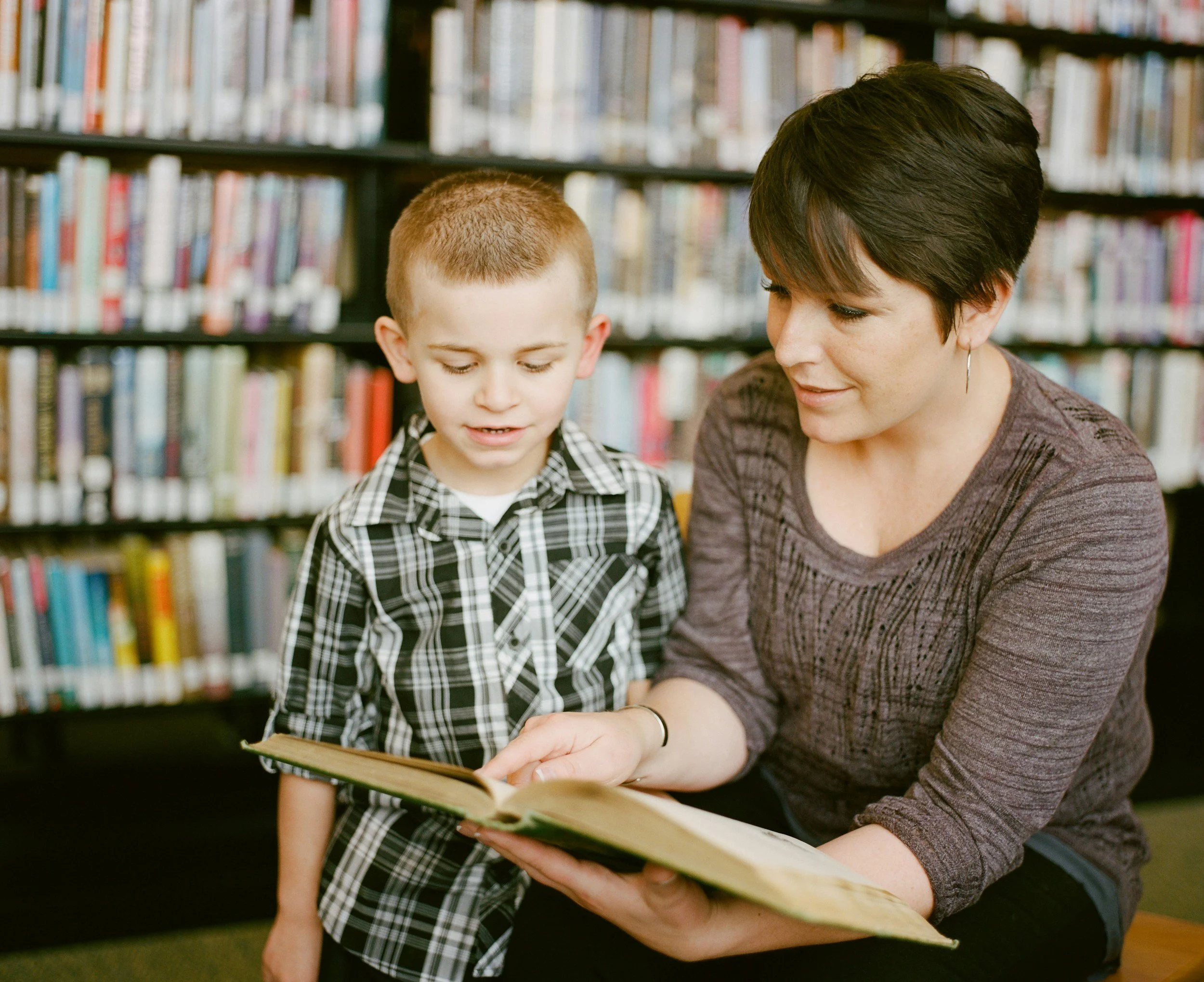
Not All Dyslexia Looks the Same: Understanding Different Reading Profiles
Not all children with dyslexia experience the same reading difficulties. Some struggle to connect letters and sounds, others have difficulty recognizing familiar words automatically, and many experience challenges in both areas. Drawing on my experience as a licensed school psychologist, I explore different reading profiles and explain why understanding a child's individual strengths and weaknesses is essential to providing meaningful support.
As a school psychologist, I frequently evaluate children who experience difficulty with reading. Through my years of experience and evidence-based practice, I have come to recognize that two students can struggle with the same reading assignment for very different reasons. One may have difficulty connecting letters to their corresponding sounds and decoding unfamiliar words, while another may successfully sound out words but struggle to recognize familiar words automatically. A third may experience difficulties in both areas. Although their reading performance may look similar on the surface, understanding the underlying processes is essential to determining how best to support them.
For parents, the first indication that something may be wrong often comes during homework or reading time. A child may hesitate over familiar words, guess at unfamiliar ones, read slowly, or become frustrated when asked to read aloud. Some children demonstrate strong listening comprehension and can discuss a story in detail when someone reads it to them, yet struggle to read that same story independently. Others may appear to read adequately during the early elementary years, only to experience greater difficulty as reading demands increase. These observations provide valuable information, but they do not necessarily tell us why a child is struggling. To better understand these differences, we need to look at the processes involved in learning to read and how those skills develop over time.
Dyslexia is a learning disability that affects the development of accurate and efficient word reading and/or spelling. Although difficulties with phonological processing are common among individuals with dyslexia, they are not universal, and the specific pattern of reading difficulties can vary considerably from one child to another. The International Dyslexia Association's updated definition recognizes this variability, emphasizing that dyslexia can involve different underlying processes and degrees of difficulty. Understanding this distinction is important because a diagnosis of dyslexia does not mean that every child experiences reading in the same way.
When children learn to read, they gradually develop the ability to recognize letters, connect those letters to speech sounds, combine sounds to decode words, and recognize familiar written words with increasing accuracy and automaticity. As these skills become more efficient, children can devote more of their attention to understanding what they read rather than concentrating primarily on identifying individual words. For children with dyslexia, difficulties in one or more of these processes can interfere with that progression. Researchers have described several patterns of reading difficulty, including phonological, surface, and mixed profiles. Although these terms can help explain differences in reading performance, they are descriptive classifications rather than separate, universally accepted clinical diagnoses. A child's reading profile may also change as their skills develop and they receive instruction.
One pattern commonly discussed in the literature is phonological dyslexia, sometimes referred to as dysphonetic dyslexia. Children with this profile experience particular difficulty using their knowledge of letters and sounds to decode unfamiliar words. For example, a child may recognize a word they have encountered many times but struggle when presented with a new word that requires them to identify and blend its individual sounds. Rather than carefully decoding the entire word, they may rely on its first letter, overall appearance, or surrounding context to make a guess. Parents may notice that their child can read certain familiar words but becomes frustrated when encountering new vocabulary. Spelling may also be difficult because writing an unfamiliar word requires the child to identify the sounds within it and connect those sounds to appropriate letters or letter combinations.
From an evaluation standpoint, this pattern may become apparent when examining a child's phonological awareness, knowledge of letter-sound relationships, ability to decode unfamiliar words, and spelling. Phonological awareness refers to the ability to recognize and manipulate the sounds within spoken language. For example, a child may be asked to identify individual sounds in a word, blend sounds together, or determine what remains when a particular sound is removed. A child may demonstrate stronger skills in some of these areas while experiencing greater difficulty in others. Understanding the specific pattern helps identify which foundational reading skills may need additional instruction. For children who struggle with phonological decoding, explicit and systematic instruction in speech sounds, letter-sound relationships, and spelling patterns can help them develop more reliable strategies for reading unfamiliar words rather than depending primarily on guessing or memorization.
Another reading profile described in the research is surface dyslexia. Children with this pattern may demonstrate relatively stronger phonological decoding skills but experience difficulty developing accurate and efficient recognition of familiar written words, particularly words that do not follow common spelling-to-sound patterns. For example, a child may attempt to read the word said by applying a more common pronunciation to its letters rather than recognizing the word's established pronunciation. They may be able to sound out many unfamiliar words but continue to read familiar words slowly or inconsistently. This can be confusing for parents because the child may appear to understand how phonics works, yet reading continues to require considerable effort.
One process involved in skilled reading is the development of orthographic knowledge, which includes learning how letters and letter combinations are organized within written words. As children become more proficient readers, they develop increasingly accurate connections among a word's spelling, pronunciation, and meaning. These connections allow familiar words to be recognized efficiently without having to consciously sound out every letter each time. A child with a surface-type reading profile may have difficulty developing this level of automatic word recognition, and spelling may also be affected. For example, the child may produce a spelling that accurately represents the sounds in a word but does not reflect its conventional written form. Importantly, these difficulties do not necessarily mean that the child simply needs to memorize more words by sight. Efficient word recognition develops through repeated opportunities to connect written words with their pronunciations and meanings.
When evaluating a student who demonstrates this pattern, I consider how accurately and efficiently they read familiar words, unfamiliar words, and words with less predictable spelling patterns. I also examine spelling and other relevant reading skills to better understand where the difficulty occurs. Research supports the existence of surface-like reading profiles, but the underlying reasons for these difficulties can vary. As a result, surface dyslexia is most appropriately understood as a description of reading performance rather than proof of one specific cognitive deficit. This distinction is important when considering intervention because children with similar reading behaviors may still have different instructional needs.
Some children experience significant difficulties with both phonological decoding and efficient recognition of familiar written words. This is often described as a mixed reading profile. A child may struggle to sound out an unfamiliar word during a reading assignment and then have difficulty recognizing that same word when it appears again several sentences later. Their reading may be slow, effortful, and inconsistent, and spelling difficulties may be particularly noticeable. When identifying individual words requires so much attention, the child may have fewer cognitive resources available to understand the overall meaning of what they are reading. Consequently, some students demonstrate much stronger comprehension when listening to a story than when reading that same material independently.
This difference between listening comprehension and reading comprehension can provide important information about a child's learning profile. A student may understand complex vocabulary, make thoughtful connections, and discuss sophisticated ideas when information is presented orally, yet struggle to demonstrate those same abilities when required to read independently. The difficulty may not be with understanding the information itself but with accessing it through written language. Research has found that mixed reading profiles are common among children with developmental dyslexia, although students with similar patterns of reading difficulty may demonstrate different underlying cognitive strengths and weaknesses. For this reason, intervention should address the specific skills that are affected rather than relying solely on the subtype label.
One of the most important lessons my evaluation work has reinforced is that a child's reading performance tells us what they are doing, but it does not always explain why they are having difficulty. A student who guesses at words may have weak decoding skills, while another may have developed that habit after years of frustration with reading. A child who reads slowly may struggle to recognize familiar words automatically, while another may be carefully applying newly learned decoding strategies. These distinctions matter because children can demonstrate similar behaviors for different reasons, and the most appropriate support depends on understanding what is contributing to the difficulty.
During a comprehensive psychoeducational evaluation, I consider how a child's reading skills have developed across several areas, including phonological processing, decoding, word recognition, spelling, reading fluency, and reading comprehension. I also consider relevant aspects of language development, cognitive processing, educational history, and instructional experience. Equally important is understanding the child's strengths. A student may demonstrate strong verbal reasoning, listening comprehension, vocabulary, or background knowledge despite experiencing significant difficulty with word reading. Recognizing these abilities helps us understand what the child knows and can do independently of the reading difficulty, while also identifying strengths that may support their learning.
I also consider how reading difficulties affect the child's everyday functioning. A student may be able to read a short passage accurately during an individual assessment but struggle to complete lengthy classroom assignments within the expected time. Another may avoid reading aloud, become frustrated during homework, or begin to question their academic abilities because reading requires considerably more effort than it does for their peers. These experiences are important because the impact of dyslexia extends beyond individual test scores. Understanding how reading difficulties affect a child's academic performance, confidence, and participation helps parents and educators make more informed decisions about instruction, intervention, and accommodations.
Another important consideration is that reading difficulties may become more noticeable or change in appearance as children progress through school. During the early elementary years, difficulties may emerge as children learn letter-sound relationships, begin decoding words, and develop basic spelling skills. By the upper elementary grades, some children have developed enough compensatory strategies to read familiar material with reasonable accuracy, but they may continue to struggle with unfamiliar vocabulary, reading fluency, or spelling. As students enter middle and high school, academic demands become increasingly complex, requiring them to read longer passages, learn specialized vocabulary, complete assignments independently, and extract information from increasingly sophisticated texts.
A teenager with dyslexia may no longer demonstrate the same obvious word-reading errors that were present in elementary school. Instead, difficulties may become more apparent through slow reading, reduced reading stamina, spelling weaknesses, avoidance of lengthy assignments, or the amount of time required to complete academic work. Some students become quite skilled at compensating for their reading difficulties, making those challenges less noticeable to others. This is why I encourage families and educators to consider a child's developmental and educational history rather than relying solely on how their reading looks at one particular moment. Dyslexia can continue to affect reading and spelling throughout adolescence and adulthood, even as individuals develop strategies that allow them to function successfully in many areas.
When parents learn that their child has dyslexia, they often want to know what the diagnosis means for their child's future and what they can do to help. Those are important questions, and I believe the answers begin with understanding the individual child. A diagnosis can help explain why reading has been difficult, but it does not tell us everything about how a child learns. Two students with dyslexia may have different reading profiles, different strengths, different instructional histories, and different responses to intervention. The terms dysphonetic, surface, and mixed can help describe some of those differences, but they should not become rigid categories that define a child's abilities or determine their educational opportunities. In clinical diagnostic terminology, dyslexia is generally considered within the framework of specific learning disorder with impairment in reading, while these reading profiles are descriptive classifications rather than separate DSM-5-TR diagnoses.
I also want parents to understand that reading difficulties do not define a child's intelligence, creativity, curiosity, or potential. A child who struggles to decode a paragraph may have a remarkable understanding of the ideas within it when those ideas are presented in a more accessible format. Recognizing that difference allows us to support the development of reading skills while continuing to nurture the child's broader academic and personal growth. Ultimately, understanding dyslexia requires us to look beyond whether a child can read a particular word or complete a particular assignment. We need to understand how they approach reading, where the process becomes difficult, and what helps them make progress. A diagnosis helps us recognize the difficulty, but understanding the individual reading profile helps us determine what to do next.
If you have concerns about your child's reading development, a comprehensive psychoeducational evaluation can help identify their individual strengths, areas of difficulty, and educational needs. At Unlock Learning Palm Beach, we work with families to better understand how their children learn and provide information that can help guide meaningful support at home and in school.
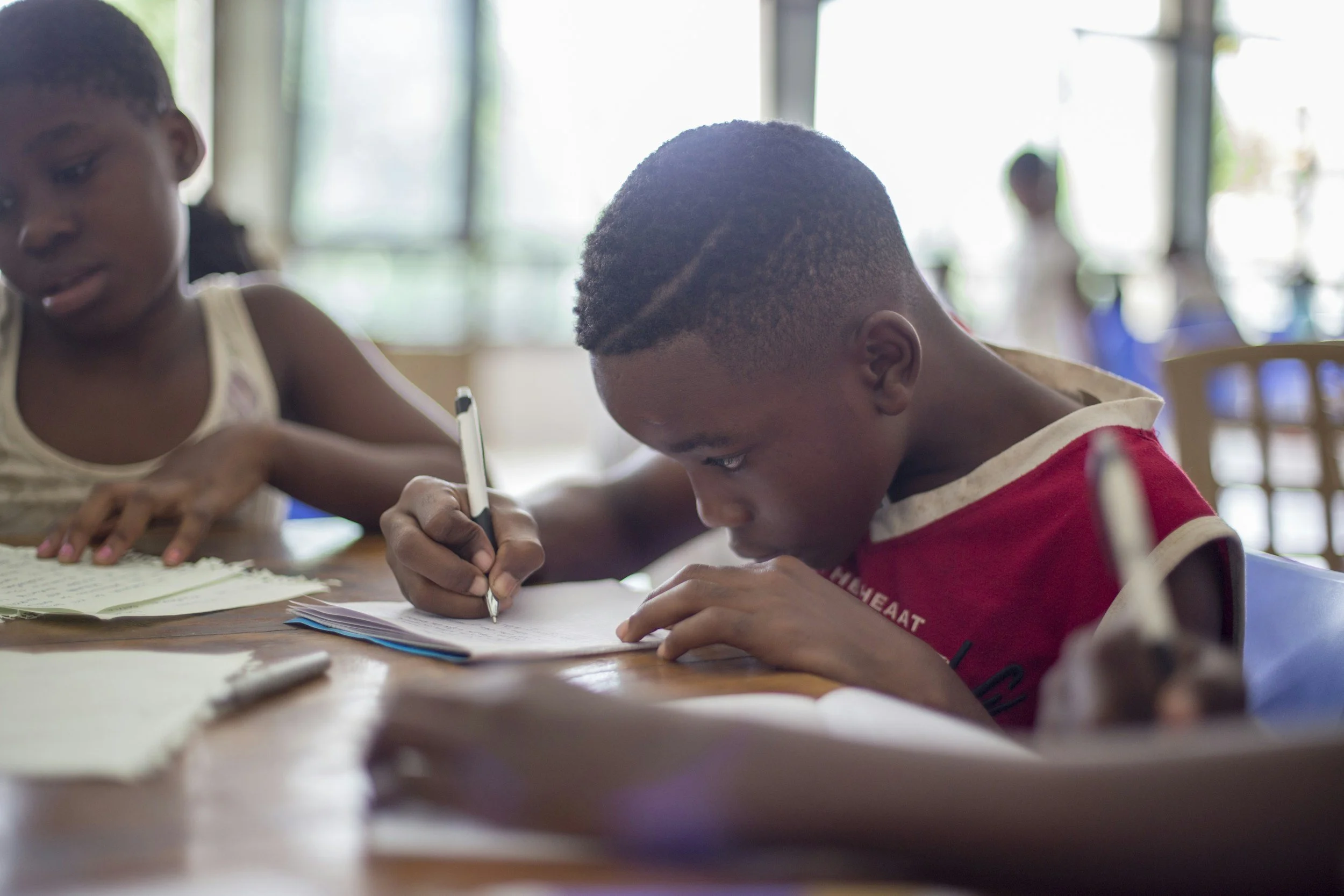
Writing by Hand vs. Typing: A School Psychologist's Perspective on Child Development
Technology has transformed how children write, but faster is not always better during development. From early literacy to organizing complex ideas, writing by hand engages skills that develop across childhood and adolescence. A school psychologist explores why pen and paper still deserve a place alongside keyboards, assistive technology, and AI.
As a school psychologist, I spend a lot of time evaluating children and adolescents who struggle with written expression. That work has changed the way I think about writing in general. Putting an idea on paper seems simple because most of us do it without thinking about everything happening behind the scenes. For a developing child, however, writing requires many different skills to work together at the same time.
Think about what happens when a child is asked to write a paragraph. They first have to understand what is being asked, come up with an idea, decide what they want to say, find the words to express it, and organize those thoughts in a way that makes sense. At the same time, they have to remember spelling, construct sentences, use punctuation, physically write the words, keep track of what they have already written, and hold onto what they want to say next. When those processes work together efficiently, we simply see the finished paragraph. When one or more of them is difficult, writing can quickly become frustrating.
I see this often during psychoeducational evaluations. A student may explain an idea beautifully in conversation but struggle to communicate the same idea on paper. Another student may have excellent handwriting and spelling but have difficulty organizing their thoughts. Some children know exactly what they want to say, but so much of their attention goes toward spelling, punctuation, or forming letters that they lose track of the original idea. For others, attention, working memory, language, processing speed, or executive functioning can make the process more difficult. The final piece of writing may look similar in each of these situations, but what is happening underneath can be very different.
Seeing those differences has reinforced something that applies to all children, not only those who struggle with writing. Written expression develops over time and is built from many smaller skills. That is particularly important to remember as technology continues to change how children learn and communicate.
Technology has unquestionably made writing easier and more accessible in many ways. Children can type assignments, dictate into devices, use spellcheck and predictive text, move entire paragraphs around in seconds, and increasingly use artificial intelligence to help brainstorm, organize, and edit their work. These tools can be incredibly useful. For some students with disabilities, assistive technology can also remove barriers and allow them to demonstrate knowledge that handwriting, spelling, or other difficulties might otherwise hide.
I am certainly not suggesting that children should trade their laptops for notebooks. They need to learn how to type, navigate digital environments, and use technology effectively. At the same time, I do not think we should be too quick to move away from pencil and paper simply because we have found faster ways to produce words. Writing by hand asks a developing child to coordinate what they see with fine-motor movements while connecting letters to sounds, words, language, and meaning. Research on handwriting development suggests that these experiences are connected with processes involved in early literacy development, including learning and recognizing letters.
We can see this development beginning long before children are writing paragraphs. When a young child scribbles on a piece of paper, traces shapes, practices writing their name, experiments with letters, or tries to spell a word that looks nothing like the conventional spelling, the finished product is only part of what matters. They are learning that the movements they make can create symbols, that those symbols represent sounds and words, and that those words can communicate meaning. The backwards letters, uneven spacing, and creative spelling are all part of that developmental process.
As children move through elementary school, many of those basic skills should gradually become easier and more automatic. They begin spending less mental energy thinking about how to form each letter or spell every familiar word. That frees up more of their attention for what they actually want to say. Instead of concentrating primarily on getting words onto the page, they can begin developing stronger sentences, organizing information, adding details, and thinking about whether their writing makes sense to someone else.
This is one reason two children who sound equally capable during a conversation can produce very different written work. One may be able to devote most of their attention to developing and organizing ideas, while the other is still using a significant amount of mental effort just getting those ideas onto the page. It is also why simply telling a child to "write more" does not always address what is making writing difficult.
By adolescence, writing takes on an even larger role. Middle and high school students are increasingly expected to use writing to explain, compare, analyze, persuade, synthesize information, and support their conclusions. At this stage, writing becomes more than a way to show what they know. It becomes one of the ways they learn to organize and develop their thinking.
Most adults have experienced this themselves. An idea can seem perfectly clear in our minds until we try to put it into words. Suddenly, we have to decide exactly what we mean, how one thought connects to another, whether we have enough information to support what we are saying, and whether someone else would understand it. The process of writing can expose gaps in our thinking and force us to work through them. In that sense, writing does not simply document thought. It can help shape and refine it.
This is another reason I believe writing by hand continues to deserve a place throughout development. Research comparing handwriting and typing has found differences in the motor, sensory, and brain activity involved in the two experiences. Some studies have found more complex patterns of brain connectivity during handwriting than during keyboard typing. Those findings are interesting, but I think it is important to be careful about what we conclude from them. They do not mean handwriting automatically makes a child smarter or that writing by hand is always better for learning. What they do reinforce is that handwriting and typing are not the same experience for the developing brain and body.
Fortunately, they do not need to compete. Children need both. There will be times when typing allows a student to write more efficiently, produce more complex work, or demonstrate knowledge without handwriting becoming an unnecessary barrier. There will also be times when pencil and paper provide valuable opportunities to practice the underlying skills involved in writing. The goal should not be choosing between technology and handwriting. It should be making thoughtful decisions about when each one best supports what we want a child to learn.
That balance becomes even more important as technology begins doing more of the writing process for us. Spellcheck can correct a word before a child has finished typing it. Predictive text can suggest what comes next. Speech-to-text can remove the physical demands of writing altogether. Artificial intelligence can help generate, organize, and revise ideas. These tools can be extremely helpful, but we should also be aware of what parts of the thinking process we are asking technology to do for a developing child.
Sometimes efficiency is exactly what we want. Other times, the process itself is where much of the learning occurs. There is value in remembering how a word is spelled, deciding how to organize a sentence, realizing that something does not communicate the intended meaning, and working through an idea until the words on the page actually reflect what the child is trying to say. That does not mean every assignment needs to be handwritten, nor does it mean withholding appropriate technology from a student who needs it. It simply means being intentional about the skill we are trying to develop and choosing the tool that best supports that goal.
My evaluation work has also taught me not to make assumptions when writing becomes consistently difficult. The finished product rarely tells the entire story. A comprehensive psychoeducational evaluation can help us better understand whether a student's difficulties involve written language, spelling, handwriting, attention, executive functioning, working memory, processing efficiency, language development, or another underlying area. Understanding what is contributing to the difficulty allows parents and educators to provide much more meaningful support than simply asking the child to work harder or write more.
We should not have to wait until a child struggles, however, to appreciate everything that goes into learning to write. Across childhood and adolescence, writing provides opportunities to bring together language, memory, movement, organization, and increasingly complex thinking. Technology will continue to change how children communicate, and preparing them for that future absolutely means teaching them how to use those tools effectively. It also means making sure they have opportunities to develop the abilities those tools are designed to support.
There is still something developmentally valuable about sitting with an idea, putting pencil to paper, realizing that the words do not quite capture what you meant, and trying again. The page is not simply a place for children to record their thoughts. It can also be a place where they learn how to develop, organize, and communicate them.

A New School Year, A Different Child? Understanding Behavior Changes as Children Adjust to School
The beginning of a new school year can bring noticeable changes in behavior as children adjust to new teachers, peers, routines, and expectations. From preschool through high school, those changes can look very different. In this week’s blog, I share what I look for as a licensed school psychologist working in a public PreK-12 setting, including what is typically part of adjustment and when persistent changes may deserve closer attention.
Every year, as students return to school, I begin seeing familiar patterns. A young child who was relatively independent during the summer suddenly becomes clingy at drop-off. An elementary student who rarely had emotional outbursts begins falling apart shortly after getting home. A middle school student becomes irritable, forgetful, or unusually exhausted. A teenager who seemed ready for the school year begins spending more time alone or responding to simple questions with frustration.
For families, these changes can be concerning, particularly when the child seemed to be doing well just a few weeks earlier. As a licensed school psychologist working full-time in a public PreK-12 setting, however, I have learned to view the beginning of the school year as a significant developmental transition. Children are not simply returning to a building. They are adapting to new relationships, expectations, schedules, academic demands, social dynamics, and routines, often simultaneously. That requires considerably more adjustment than we sometimes realize.
A new teacher alone represents an important change. Children have to learn how that adult communicates, what behaviors they expect, how much independence they require, how they respond to mistakes, and what the daily classroom routines will look like. Add a new group of classmates, different academic expectations, earlier mornings, extracurricular activities, homework, and navigating friendships, and even a child who generally enjoys school may temporarily look different while adapting.
In my work, I try not to evaluate these changes simply by asking whether a behavior is present. I am much more interested in its frequency, intensity, duration, context, and trajectory over time. That distinction is important because adjustment rarely looks like a straight line. A child can have several good days followed by a difficult one and still be moving in a healthy direction.
For our youngest children, particularly those entering preschool, kindergarten, or the early elementary years, the transition can be especially visible. They are still developing the ability to regulate emotions, communicate their needs, tolerate frustration, and navigate separation from caregivers. Their behavior may therefore communicate their adjustment before they have the language to explain it. Increased crying, clinginess, irritability, difficulty separating in the morning, fatigue, changes in sleep, or emotional outbursts after school can all emerge temporarily.
I often remind families that the child who holds it together throughout the school day and then becomes emotional at home is not necessarily demonstrating that something is seriously wrong. Young children expend considerable energy following directions, managing impulses, interacting with peers, transitioning between activities, and responding to unfamiliar expectations. Home may simply be the environment where they finally have enough security to release some of that accumulated stress.
As children move through elementary school, the picture begins to change. They generally have greater emotional and behavioral control, so I begin expecting more independence with routines and greater ability to communicate what is bothering them. At the same time, school becomes increasingly complex. Academic expectations increase, friendships become more important, and executive functioning demands begin to grow. A child may suddenly need to keep track of more materials, complete longer assignments, manage homework, remember multiple directions, and navigate a classroom that operates very differently from the one they left a few months earlier.
At this age, adjustment difficulties may look less like separation anxiety and more like irritability, avoidance, forgetfulness, complaints about school, increased frustration with homework, or emotional reactions that seem disproportionate to the immediate situation. Some children may begin saying that school is boring or that they simply do not like their teacher. I try not to dismiss those statements, but I also do not always take them literally. Sometimes the words children use are the best language they have for describing a demand they have not yet learned to identify.
By middle school, another layer is added. Students are navigating adolescence at the same time that their school environment often becomes substantially more complicated. Instead of adapting to one teacher and one classroom, they may be learning the expectations of six or seven teachers, changing classrooms throughout the day, managing assignments across multiple platforms, remembering materials, navigating a larger peer environment, and becoming increasingly responsible for their own organization.
This is also a developmental period when belonging becomes particularly important. A schedule change that separates a student from close friends may feel much more significant to a twelve-year-old than it appears to an adult. Increased irritability, emotional sensitivity, fatigue, procrastination, disorganization, or greater concern about peers can therefore accompany the beginning of the year. Some variability is expected. What I want to see is that the student gradually begins figuring out the system. They learn their teachers, find their classrooms, establish relationships, develop organizational strategies, and become increasingly comfortable with the rhythm of the school day.
High school students present another interesting challenge because their adjustment can be much less visible. We understandably expect teenagers to manage transitions with greater independence, and most can. However, greater independence also means adults may have fewer opportunities to see when things are becoming difficult.
A teenager may not cry at drop-off or tell us that they are nervous about fitting in. Instead, we may notice changes in sleep, increased withdrawal, irritability, declining motivation, procrastination, avoidance of activities they previously enjoyed, or a sudden drop in academic performance. At this age, I am particularly interested in changes from the student's own baseline. Adolescence naturally involves shifts in mood, independence, relationships, and sleep patterns, so not every change represents a concern. A noticeable and sustained departure from who that teenager typically is deserves more attention.T his is where time becomes an important part of the conversation.
Families often want to know exactly how long they should wait for a child to adjust. I understand why, but development rarely provides us with a precise deadline. For many students, the first several weeks of school represent a genuine adjustment period. By approximately the first month or so, I generally hope to see signs that the environment is becoming more familiar and that behaviors associated with the transition are beginning to improve. That does not mean every difficulty should disappear within four weeks. Some children settle within days, while others require considerably more time, particularly when they are also navigating anxiety, ADHD, autism, learning differences, significant family changes, or a particularly difficult transition. I find it more useful to look for direction rather than perfection.
Is the child who cried every morning now separating more easily on most days? Is the elementary student who came home overwhelmed beginning to recover more quickly? Is the middle school student remembering assignments more consistently? Is the teenager beginning to reconnect with friends and settle into a workable routine? Those changes matter. The behavior may still be present, but the trajectory suggests adaptation.
What gets my attention as a school psychologist is when that trajectory moves in the opposite direction. A behavior that becomes more frequent, more intense, lasts longer, begins appearing across multiple environments, or increasingly interferes with learning, relationships, sleep, family life, or everyday functioning deserves a closer look. I am also more concerned when a child begins persistently refusing school, withdrawing significantly from others, experiencing frequent physical complaints associated with school, showing substantial changes in eating or sleeping, losing previously established skills, demonstrating escalating aggression, or expressing persistent hopelessness or significant anxiety. In those situations, I would not recommend simply waiting for an arbitrary adjustment period to pass. Support can begin while we are still trying to understand what is happening.
One of the most valuable sources of information during this process is communication between home and school. Behavior does not always look the same across environments, and those differences can tell us something important. A child may appear regulated at school but struggle considerably at home. Another may function well in most classes but have difficulty during one particular period. Rather than viewing those differences as conflicting accounts, I view them as additional information about the conditions under which the child is functioning successfully and where the demands may be exceeding their current skills.
Working across the PreK-12 continuum has given me an appreciation for how differently adjustment looks depending on where a child is developmentally. I would not expect a kindergartener, a sixth grader, and a high school junior to communicate stress in the same way. Our expectations for independence, emotional regulation, organization, and communication should change as children mature. At every age, however, behavior provides information.
The student we meet during the first week of school is not necessarily the student we will see several weeks later. I have watched children who initially struggled with separation eventually walk confidently into their classrooms. I have seen students who appeared completely overwhelmed by a new schedule gradually develop routines and independence. Children are remarkably adaptable when given time, consistency, supportive relationships, and developmentally appropriate expectations. That is why I am cautious about drawing conclusions too quickly, but equally cautious about dismissing persistent concerns as simply part of starting school.
A new school year asks children to adapt academically, socially, emotionally, and behaviorally all at once. Some disruption during that process is expected. What I ultimately want to see is movement toward greater comfort, predictability, independence, and regulation. When that movement is happening, even gradually, it often tells us that a child is finding their footing. When it is not, the behavior may be telling us that it is time to become more curious about why.

The Behaviors Children Learn Without Being Taught
As a licensed school psychologist working in a public PreK-12 school district, I spend a great deal of time observing children in their natural environments. One of the privileges of my profession is that I get to watch development unfold in real time, not only during formal evaluations, but in classrooms, cafeterias, playgrounds, hallways, and conversations with families and educators. Over the years, I have become convinced that some of the most important lessons children learn are never part of a curriculum. They emerge from ordinary interactions.
A teacher who calmly responds to a mistake instead of expressing frustration. A parent who apologizes after losing their patience. A coach who notices the child who needs encouragement just as much as the one who scored the winning point. A classmate who quietly invites another child to join a game at recess. None of these moments seem particularly remarkable on their own. Yet together, they shape something much larger than the interaction itself. Developmental science is beginning to explain why.
For decades, much of the research on social influence focused on its negative effects. We became very good at understanding peer pressure, risky decision-making, and how unhealthy behaviors spread among children and adolescents. While those findings remain important, they have also created an unintended assumption: that children are especially vulnerable to negative influences. What if we have been overlooking the other side of the equation?
A fascinating study by Foulkes and colleagues approached social influence from a different perspective. Rather than asking whether children imitate undesirable behaviors, the researchers explored whether children, adolescents, and adults could also be influenced toward greater prosocial behavior, behaviors such as helping others, showing kindness, cooperating, and acting generously. Their findings suggest that they can, and perhaps more importantly, that children between approximately eight and eleven years of age were the most responsive to these positive social influences. As participants grew older, this influence became progressively weaker, suggesting that late childhood may represent a particularly important period during which children are highly attuned to the social norms around them (Foulkes et al., 2018). That finding resonates with what many parents, teachers, coaches, and other adults have likely observed for years.
Spend enough time around children and you begin to notice that behaviors often spread through groups in subtle ways. One child begins encouraging classmates after a difficult activity, and before long others begin doing the same. A teacher consistently acknowledges acts of kindness that might otherwise go unnoticed, and those behaviors gradually become more common throughout the classroom. A family develops a habit of expressing gratitude around the dinner table, and over time those expressions become part of how children naturally communicate with one another. The interesting question is not whether children influence one another. We know they do. The more interesting question is how children decide which behaviors become part of their own repertoire. The answer appears to lie, at least in part, in the social environments they experience every day.
Children are constantly gathering information about what is considered normal. They are observing how adults respond to disappointment, how peers resolve disagreements, how people treat those who are different from themselves, and whether kindness, patience, generosity, and empathy are valued within the communities they belong to. Each interaction provides another piece of information about how relationships work. Over time, these experiences accumulate.
As psychologists, we often talk about development as though it occurs through milestones or major life events. While those certainly matter, I believe much of development is built through repetition. It is shaped by thousands of small experiences that gradually influence children's expectations about themselves and other people. Every respectful conversation, every moment of patience, every opportunity to help someone else contributes another data point that children use to understand the social world. This perspective has meaningful implications for all of us.
Parents often wonder whether children are listening. Teachers wonder whether small interactions really matter amid the many demands of a school day. Coaches, therapists, grandparents, and mentors may question whether brief moments of encouragement leave lasting impressions. Research like this suggests they very well might.
Perhaps one of the most important messages from this study is that positive influence is not passive. It is something we actively create through the culture we establish within our homes, classrooms, teams, and communities. Children are not simply learning from the formal lessons we teach. They are learning from the norms we reinforce, the behaviors we model, and the interactions we consistently repeat.
This is one reason I often encourage adults to think beyond correcting unwanted behaviors. While setting limits and maintaining expectations are important, creating environments where children regularly experience cooperation, encouragement, empathy, and respect may be equally powerful. Children need opportunities not only to hear about kindness, but to observe it, participate in it, and experience it repeatedly.
Working in public education has reinforced something I believe deeply. Children's development is rarely shaped by one extraordinary moment. More often, it is influenced by ordinary moments repeated often enough to become part of how they understand the world.
The science is beginning to validate what many experienced educators and parents have intuitively understood for years. Children are remarkably sensitive to the social norms around them, particularly during late childhood. The examples we consistently provide become evidence they use to construct their own understanding of relationships, compassion, cooperation, and belonging.
Perhaps that is why the seemingly ordinary interactions we have with children deserve far more attention than they often receive. They are not simply moments that pass. They are experiences that quietly become part of the adults those children will one day become.
Foulkes, L., Leung, J. T., Fuhrmann, D., Knoll, L. J., & Blakemore, S. J. (2018). Age differences in the prosocial influence effect. Developmental Science, 21(6), e12666. https://pmc.ncbi.nlm.nih.gov/articles/PMC6221149/

When Intelligence Isn't Enough: A School Psychologist's Perspective on Executive Functioning, ADHD, and Giftedness
Executive functioning influences far more than organization. It shapes how children plan, manage attention, regulate emotions, solve problems, and develop independence. Drawing from my experience as a licensed school psychologist working in a public PreK-12 setting, this week's blog explores practical, research-based strategies to support children with ADHD characteristics, giftedness, and executive functioning challenges both at home and at school.
As a licensed school psychologist working full-time in a public PreK-12 school district, I have the privilege of working alongside children, families, teachers, and school teams every day. My role allows me to observe students across a wide range of ages, abilities, and learning profiles, and one pattern continues to emerge regardless of whether I am evaluating a preschooler, an elementary student, or a high school senior.
Some of the brightest students I meet are also among those who struggle the most with organization, time management, emotional regulation, and completing everyday tasks. For many families, this is confusing. If a child is highly intelligent, shouldn't school come naturally? Shouldn't they remember assignments, stay organized, manage their time, and work independently? The answer is not always.
One of the biggest misconceptions I encounter is the belief that intelligence automatically leads to independence. In reality, intelligence and executive functioning are two very different things. A child may reason exceptionally well, possess an extensive vocabulary, or solve complex problems with ease while simultaneously struggling to organize materials, begin assignments, regulate emotions, remember directions, or manage multiple responsibilities. These challenges are not a reflection of ability. More often, they reflect differences in executive functioning.
Executive functioning is often described as the brain's management system. While intelligence helps us think, executive functioning helps us manage our thinking. These skills allow us to plan, organize, prioritize, shift attention, regulate emotions, remember information, monitor our progress, and persist through challenges. They influence nearly every aspect of daily life, extending far beyond academics to include friendships, extracurricular activities, household responsibilities, and eventually success in adulthood.
Throughout my work in schools, I have evaluated students who could explain sophisticated scientific concepts yet consistently forgot to turn in completed homework. I've met children who read years above grade level but became overwhelmed by long-term projects because they could not determine where to begin. I've worked with students whose creativity amazed everyone around them, yet they routinely lost notebooks, jackets, and other paperwork. These children were not lacking motivation or potential. They were often working significantly harder than others realized simply to manage the everyday demands that many of their peers handled automatically.
This becomes especially important when we think about children who are gifted while also demonstrating characteristics associated with ADHD. These students are often referred to as twice-exceptional, or 2e, because they possess both exceptional strengths and areas of genuine difficulty. Their giftedness may allow them to compensate for executive functioning weaknesses during the early elementary years, making concerns less noticeable. As academic expectations increase and assignments become longer, more complex, and less structured, those compensatory strategies often become less effective. Families sometimes describe it as if the difficulties appeared overnight, when in reality the demands simply exceeded the child's ability to compensate.
Children with characteristics of ADHD often experience similar executive functioning challenges. Difficulty sustaining attention, initiating tasks, organizing materials, estimating time accurately, regulating emotions, and maintaining working memory are all common features associated with ADHD. Importantly, these characteristics exist on a continuum. Some children meet the diagnostic criteria for ADHD, while others demonstrate executive functioning weaknesses without meeting criteria for a formal diagnosis. In either case, understanding the underlying cognitive processes is often far more helpful than simply labeling the behavior.
One of the most encouraging aspects of executive functioning is that these skills can be developed. They are not fixed traits that children either possess or lack. Like reading, writing, or learning to ride a bicycle, executive functioning improves through explicit instruction, guided practice, repetition, and supportive relationships.
In my conversations with families and teachers, one of the first recommendations I often make is to reduce the amount of information children are expected to hold in their working memory. Adults frequently provide several verbal directions at once and assume children can remember each step. Many cannot. Externalizing information through visual schedules, checklists, written reminders, calendars, or simple routines reduces unnecessary cognitive demands and allows children to devote more mental energy to completing the task itself.
I also encourage families to establish consistent routines rather than relying on repeated reminders. Executive functioning develops through repetition. When homework, morning preparations, and bedtime routines become predictable, children gradually rely less on adult prompting because the routine itself begins supporting their behavior. The goal is not rigid structure but predictable consistency.
Planning is another skill that deserves explicit instruction. Adults sometimes assume children naturally know how to break a large assignment into manageable pieces. Many do not. I frequently recommend sitting alongside children to demonstrate how larger tasks can be divided into smaller, more achievable steps. Over time, children begin internalizing that planning process until they are able to use it independently.
Another strategy I discuss regularly involves shifting the way we respond to mistakes. When a child forgets an assignment or loses an important paper, it is easy to ask why they were not more responsible. A more productive question is, "What system can we put in place so this becomes easier next time?" That subtle shift moves the conversation away from blame and toward problem-solving. Children develop executive functioning by practicing effective strategies, not by repeatedly hearing what they forgot to do.
Emotional regulation deserves equal attention. Executive functioning is not limited to organization and planning. It also influences how children respond to frustration, disappointment, and unexpected change. Helping children identify emotions, pause before reacting, and develop coping strategies strengthens executive functioning just as much as teaching them how to use a planner.
Research consistently supports this approach. A recent systematic review examining executive functioning interventions in preschool and primary school found that high-quality teacher-student interactions, emotionally supportive classrooms, and intentional instructional practices were associated with improvements in children's executive functioning and self-regulation. The greatest benefits were often observed among children who were considered vulnerable or at greater developmental risk. These findings reinforce something I see every day in schools: children develop many of these skills within the context of supportive relationships.
This is why I often tell families that children borrow executive functioning from the adults around them before they develop it themselves. We model organization before expecting children to organize independently. We help regulate emotions before children learn to regulate their own. We provide structure before expecting them to create it independently. Over time, those external supports gradually become internal skills.
It is equally important to recognize that accommodations and skill development are not competing ideas. Accommodations help children access learning today. Executive functioning instruction helps them become more independent tomorrow. Both have an important place in supporting children's development.
As a school psychologist, I also believe it is important to recognize when executive functioning challenges extend beyond what we would typically expect for a child's age. If organization, attention, emotional regulation, or planning consistently interfere with learning, relationships, or daily functioning across multiple settings, it may be appropriate to seek a more comprehensive understanding of the child's learning profile. A comprehensive psychoeducational evaluation can help determine whether executive functioning weaknesses are associated with ADHD, giftedness, a learning disability, anxiety, or another developmental difference while also identifying the child's unique strengths.
Working in public education has reinforced something I believe deeply. Children rarely wake up intending to be disorganized, forgetful, or overwhelmed. More often, they are doing the best they can with the executive skills they have developed so far. Our responsibility as adults is not simply to expect these skills to emerge naturally. It is to teach them, model them, scaffold them, and gradually step back as children become more independent.
Whether I am working with a preschool student learning to follow routines, an elementary student struggling to organize assignments, or a gifted high school student whose executive functioning has not yet caught up to their reasoning abilities, my goal remains the same. I want children to better understand how they learn and to develop the skills that will allow them to succeed long after they leave the classroom.
One of the most rewarding parts of my work is watching children realize they were never incapable. They simply needed strategies that matched the way their brains learn best. When we understand executive functioning through that lens, we stop asking children to "try harder" and begin teaching them how to succeed.

Could It Be More Than a Phase? A School Psychologist’s Perspective on the Early Signs of Autism
Every child develops at their own pace, but some developmental differences deserve a closer look. In this week’s blog, a licensed school psychologist shares the patterns he considers when evaluating young children for Autism Spectrum Disorder and explains why understanding the whole child matters more than focusing on any single behavior.
One of the most common questions I hear from parents is whether they should be concerned about their child’s development or simply give it more time. It is an understandable question because childhood is filled with variability. Some children begin talking earlier than others. Some are naturally outgoing, while others are content to observe before joining in. Some develop interests that seem all-consuming for a period of time before moving on to something new. Individual differences are not only expected, they are part of healthy development.
As a licensed school psychologist, one of the most important things I have learned is that evaluating a child is rarely about identifying one behavior or checking off a list of symptoms. Development is far more complex than that. Instead, I look for patterns. How does a child communicate? How do they interact with other people? How do they play? How do they respond to changes in routine? How do they learn from and engage with the world around them? It is the combination of these observations, rather than any one characteristic, that helps determine whether additional evaluation may be appropriate.
One of the first areas I pay close attention to is social communication. Long before children develop sophisticated language, they naturally begin sharing experiences with the adults around them. They point to airplanes flying overhead, look back at a parent after discovering something exciting, smile to share enjoyment, and seek out interactions simply because connecting with another person is rewarding. These moments, known as joint attention, are among the building blocks of social development. When I observe a young child who consistently shows little interest in sharing experiences with others, responds inconsistently to their name, or appears more interested in objects than people, it tells me we should take a closer look at the broader developmental picture.
Language is another important area, but perhaps not in the way many people expect. Parents often focus on the number of words their child is using, and vocabulary certainly matters. However, I am equally interested in how language is being used. Is the child using words to ask for things, or are they also using language to share interests, ask questions, engage in back-and-forth conversations, and connect socially? Some children develop large vocabularies while still finding reciprocal communication difficult. Others may experience delays in expressive language or lose skills they had previously developed. Looking at communication through both a developmental and social lens provides a much clearer understanding than simply counting words.
Play often reveals developmental differences that families may not initially recognize. Most young children naturally begin pretending as they play. They feed dolls, cook imaginary meals, turn cardboard boxes into spaceships, and invent stories that become increasingly creative as they grow. Pretend play reflects important social, language, and cognitive skills. Some children with autism, however, may show less interest in imaginative play and instead prefer repetitive activities, lining up objects, focusing on parts of toys, or engaging with materials in highly predictable ways. These preferences do not automatically indicate Autism Spectrum Disorder, but when they occur alongside other developmental differences, they become meaningful pieces of the overall picture.
Another pattern I pay attention to is flexibility. Most children appreciate routines because they provide predictability and security. The question is not whether a child likes routines, but how they respond when those routines inevitably change. Some children experience significant distress over even small changes in schedules, transitions, or expectations. Others develop intensely focused interests that dominate conversations and play. These behaviors can certainly occur in children without autism, but when they consistently interfere with daily functioning and occur alongside social communication differences, they deserve further exploration.
Sensory experiences also provide valuable information. Some children appear unusually sensitive to everyday sounds, bright lights, certain clothing textures, haircuts, or specific foods. Others actively seek sensory input by spinning, jumping, watching objects move, or repeatedly touching particular textures. Research has shown that sensory processing differences are common among individuals with autism, although they are not exclusive to autism and may also be observed in children with other developmental profiles. Once again, context matters more than any single behavior.
One of the most important messages I share with families is that development should never be viewed through the lens of one isolated characteristic. Toddlers sometimes ignore their names because they are deeply engaged in play. Many children have strong interests. Others become upset when routines change after a long day. Looking at one behavior in isolation rarely tells us very much. What matters is whether multiple patterns emerge across settings, persist over time, and meaningfully affect how a child communicates, learns, plays, or builds relationships.
Parents are often hesitant to seek an evaluation because they worry about what they might hear. I understand that hesitation. However, I also remind families that an evaluation is not about searching for a diagnosis. It is about developing a deeper understanding of how a child experiences the world. Sometimes an evaluation confirms that development is progressing within expected limits and provides reassurance. Other times, it identifies autism, a language disorder, ADHD, developmental delays, or another factor that helps explain a child’s strengths and challenges. Either outcome provides families with something incredibly valuable: clarity.
Research consistently demonstrates that early identification and early intervention are associated with better outcomes for many children with Autism Spectrum Disorder. This does not mean parents should become alarmed every time their toddler develops differently than another child. It does mean that persistent concerns deserve thoughtful attention rather than prolonged uncertainty. Trusting your observations and asking questions is not overreacting. It is part of being an informed and responsive parent.
As a school psychologist, I have the privilege of helping families better understand their children every day. One thing I have learned through those experiences is that a diagnosis never defines a child. Every child brings unique strengths, interests, personality, and potential. The purpose of evaluation is not to place limits on what children can achieve. It is to understand how they learn, communicate, and experience the world so the adults in their lives can provide the support they need to thrive.
If there is one message I hope families take away, it is this: trust your instincts, remain curious, and do not let fear prevent you from seeking answers. Sometimes the greatest gift we can give a child is simply taking the time to better understand who they are.

Before We Ask Children to Regulate, We Should Look at Ourselves
Children are still developing the skills needed to manage emotions, frustration, and behavior. Research suggests that sensitive, responsive relationships and adult self-regulation can play an important role in helping children build these skills over time.
We ask a lot of children when it comes to managing themselves. We want them to calm down when they are upset, think before they act, handle disappointment, follow directions, communicate appropriately, and recover when things do not go their way. These skills are important, but children are not born knowing how to do all of them. They develop over time, and the adults around them play an important role in that process.
Recent research on caregiver sensitivity offers a useful reminder of just how important everyday interactions can be. Caregiver sensitivity simply refers to an adult's ability to notice what a child is communicating, understand what they may need, and respond appropriately. A large 2026 review that brought together findings from hundreds of studies found that greater caregiver sensitivity was associated with stronger attachment, language skills, and cognitive development in children.
That may sound simple enough, but anyone who spends significant time with children knows that responding thoughtfully is not always easy. A child refuses to get ready for school. A student shuts down when work becomes difficult. A teenager becomes angry after being told no. The adult may already be tired, stressed, running late, or thinking about several other responsibilities. Suddenly, the child's frustration becomes the adult's frustration too.
This is where another area of research becomes especially important. Our ability as adults to manage our own emotions, thoughts, impulses, and stress influences how we respond to children, particularly during difficult moments. Research on parent self-regulation suggests that when adults have greater difficulty regulating themselves, responding constructively to challenging child behavior can become more difficult as well.
None of this means that parents, teachers, coaches, or other adults need to remain perfectly calm all the time. That is unrealistic. Adults get frustrated, have difficult days, and sometimes respond in ways they later wish they had handled differently. The more important point is that regulation does not happen entirely within the child. It develops through relationships.
Researchers use the term co-regulation to describe the back-and-forth process through which adults and children influence one another and through which adults can help children gradually develop their own ability to regulate. We see this constantly in everyday life. A young child becomes overwhelmed and an adult helps them settle. A frustrated student cannot figure out where to begin an assignment and a teacher helps organize the first few steps. A teenager becomes angry after receiving a consequence and a parent gives them some space before continuing the conversation.
In each case, the adult is not eliminating frustration or solving every problem for the child. They are providing enough support for the child to manage something that may temporarily be beyond what they can handle independently. As children develop, the goal is for them to gradually need less of that support and become increasingly capable of regulating themselves.
The relationship also works in both directions. Children affect the adults around them. A child's frustration can increase an adult's frustration, which can then further increase the child's emotional reaction. Research describes how these patterns can become cycles in which the reactions of the adult and child continue to intensify one another. An adult's ability to recognize what is happening and regulate their own response can help interrupt that cycle.
Being regulated does not mean being permissive. Children still need boundaries, expectations, accountability, and consequences. A parent can say no without escalating an argument. A teacher can maintain an expectation while recognizing that a student is overwhelmed. An adult can be firm while still being responsive to what a child is communicating. Regulation allows us to respond intentionally instead of simply reacting in the moment.
This also gives us a broader way to think about adult wellbeing. Sleep, stress, healthy coping, supportive relationships, and our own ability to manage difficult emotions affect more than how we personally feel. They can influence how we show up in our relationships with children. Supporting the adults who care for and work with children can therefore be an important part of supporting children themselves.
Of course, parenting or adult behavior does not determine everything about a child's development. The research itself cautions against making that conclusion. Children develop through a complicated combination of individual characteristics, relationships, experiences, environments, and many other influences. What these studies do reinforce is something both simple and powerful: relationships matter.
We spend a great deal of time teaching children how to regulate their emotions, solve problems, cope with frustration, and make good decisions. Sometimes helping them develop those abilities begins with the adults around them having the capacity to model and support those same skills.
Unlock Learning. Transform Possibilities.

Growing Up in the Age of AI: What Skills Will Children Actually Need?
Artificial intelligence can provide answers, generate ideas, and solve problems within seconds, but what does that mean for how we prepare children for the future? This week’s blog explores the skills children will need in the age of AI and how the adults in their lives can help develop them.
If you are raising, teaching, coaching, evaluating, or otherwise supporting children today, you are helping prepare them for a future that none of us can fully predict. Artificial intelligence is already changing how we find information, communicate, solve problems, create content, and complete everyday tasks. By the time today's children enter adulthood, many of the tools they use for work and learning may look very different from the ones we are introducing them to now.
That raises an important question for all of us. If technology can increasingly provide answers, generate ideas, summarize information, solve problems, and complete tasks within seconds, what do children actually need to learn?
For generations, education has placed tremendous value on knowing the answer. Children learn information, practice skills, demonstrate what they know, and gradually develop the knowledge needed to solve increasingly complex problems. That foundation still matters. What is changing is the environment in which children will use that knowledge. Access to information is no longer the primary challenge. Increasingly, the challenge is knowing what to do with it.
This is where our role as adults becomes especially important. Whether you are helping a child with homework at the kitchen table, designing a classroom lesson, providing therapy, coaching a team, or simply answering a child's questions, you are helping shape how that child approaches information and solves problems. The goal cannot simply be teaching children how to use AI. We also have to teach them when to use it, when to question it, and when they need to do the thinking themselves.
Emerging research on artificial intelligence and education is beginning to reinforce this distinction. AI can provide explanations, generate examples, support brainstorming, offer feedback, and make information more accessible. For children who benefit from individualized explanations or additional practice, those capabilities can be incredibly useful. At the same time, completing a task and learning from a task are not necessarily the same thing.
Imagine a student who uses AI to produce a well-written essay. The final product may look impressive, but what did the student actually practice? Did they organize their thoughts, retrieve relevant information, determine which ideas were important, develop an argument, revise unclear sentences, or recognize weaknesses in their reasoning? If technology performed most of those steps, the assignment may have been completed successfully while many of the skills the assignment was designed to develop received very little practice.
That distinction matters because some of the struggle we naturally want to remove from children's lives is actually part of how learning occurs. Trying an approach that does not work, becoming frustrated, reconsidering the problem, making a mistake, asking for help, and eventually finding a solution all require cognitive and emotional skills. These experiences help develop persistence, problem-solving, executive functioning, emotional regulation, and metacognition. When we remove every difficult step in the name of efficiency, we may also remove opportunities for growth.
This does not mean we should resist AI. Children are growing up with this technology, and learning to use it effectively will likely become an important skill in its own right. Our responsibility is to help them understand the difference between using technology as a tool and allowing it to become a substitute for thinking.
That distinction can begin with something as simple as the questions we ask. When a child presents an answer, we can ask how they reached it. When AI provides an explanation, we can ask whether it makes sense. When information appears convincing, we can ask how we know it is accurate. When a child uses technology to solve a problem, we can ask whether they could explain the solution to someone else. These conversations move children beyond simply obtaining information and toward evaluating and understanding it.
Critical thinking may become one of the most important skills we can nurture. AI can produce information quickly and confidently, but confident information is not always accurate information. Children will increasingly need to distinguish evidence from opinion, identify inconsistencies, compare sources, recognize bias, and know when additional information is needed. To do that effectively, they still need foundational knowledge of their own. It is difficult to recognize that something is wrong when you do not know enough about the subject to question it.
This is one reason traditional academic skills remain important. Reading, writing, mathematics, science, history, and general knowledge do not suddenly become irrelevant because technology can provide answers. These skills give children the mental framework necessary to understand, evaluate, and apply the information they encounter. Knowing things still matters because knowledge gives us something against which new information can be tested.
Children will also need strong metacognitive skills, or the ability to think about their own thinking. They need opportunities to recognize when they understand something and when they do not, determine which strategies work for them, monitor their progress, and change approaches when something is not working. An AI system can provide an answer, but the child still needs enough self-awareness and judgment to decide whether that answer is useful.
Creativity and curiosity may become even more valuable for similar reasons. If nearly everyone has access to tools capable of generating information and ideas, simply producing something may become less distinctive. Asking an interesting question, making an unexpected connection, imagining a different solution, or developing an original perspective becomes increasingly important. Children need opportunities to explore, experiment, build, discuss, create, and occasionally figure things out without immediately being given an answer.
The same is true for distinctly human skills. Communication, empathy, collaboration, emotional regulation, perspective-taking, leadership, and navigating disagreement develop through relationships and real experiences with other people. The child learning how to resolve a disagreement with a classmate, contribute to a team, accept constructive feedback, advocate for themselves, or manage frustration is developing abilities that will remain valuable regardless of how sophisticated technology becomes.
For those of us supporting children, this may require reconsidering what successful learning looks like. The fastest answer is not always the best learning experience. The most polished assignment does not always represent the deepest understanding. Helping a child immediately is not always more beneficial than allowing them enough time to wrestle with a problem first.
There will certainly be times when AI makes learning more accessible and effective. A child might ask it to explain a difficult concept another way, generate additional practice problems, provide feedback on something they have already written, or help them explore a topic that sparked their curiosity. In those situations, technology is extending the child's thinking rather than replacing it.
The challenge for us is learning to recognize the difference.
We are preparing children for a world in which the tools will continue changing. Teaching them only how to operate today's technology will therefore never be enough. What we can give them is something far more durable: the ability to think critically, ask meaningful questions, regulate themselves, communicate effectively, adapt when circumstances change, learn independently, and recognize when they need help.
Perhaps that is the opportunity hidden within all of the uncertainty surrounding AI. It forces us to reconsider what education and development are ultimately supposed to accomplish. Our job has never simply been to raise children who know the right answers. It is to help develop people who know how to think, learn, create, connect with others, make sound decisions, and continue growing when the answers are not obvious.
AI will continue to evolve. The children in our homes, classrooms, clinics, teams, and communities will grow alongside it. The question for us is not whether we can prepare them for every technological change that is coming. We cannot. The better question is whether we can help them develop the skills that will allow them to adapt, think, and thrive no matter what comes next.

Raising Children Who Believe They Can: The Power of Goal Setting and Self-Efficacy
Goal setting is about more than accomplishing tasks. It helps children develop self-efficacy, resilience, executive functioning, and the confidence to face future challenges. Learn how parents can foster these lifelong skills through meaningful, achievable goals.
As parents, it is natural to celebrate big milestones. We cheer when children learn to ride a bike, earn good grades, make a sports team, or accomplish something they have worked hard to achieve. While these moments are certainly meaningful, one of the greatest gifts we can give children is not the achievement itself. It is helping them develop the belief that they are capable of overcoming challenges, learning new skills, and reaching goals through persistence and effort.
Psychologist Albert Bandura referred to this belief as self-efficacy. Simply put, self-efficacy is a person's confidence in their ability to successfully complete a task or overcome a challenge. It is not about believing you will always succeed. Rather, it is the confidence that you can continue learning, adapting, and persevering even when success is not immediate.
This distinction is important because confidence and self-efficacy are not the same thing. Confidence can fluctuate based on circumstances or recent successes. Self-efficacy is built through experience. It develops when children repeatedly encounter challenges, apply strategies, learn from setbacks, and eventually experience progress. Each successful experience becomes evidence that they can handle future challenges as well.
One of the most effective ways parents can nurture self-efficacy is by teaching children how to set meaningful goals. Goals provide direction, create opportunities for problem-solving, and allow children to experience the connection between consistent effort and meaningful progress. Without goals, children may begin expecting immediate success or become discouraged when improvement takes time. With thoughtfully chosen goals, they learn that growth is often the result of many small steps rather than one dramatic breakthrough.
The most effective goals are those that are challenging enough to require effort but realistic enough to remain attainable. A child who struggles with reading is unlikely to become a fluent reader overnight, but setting a goal to read for fifteen minutes each evening or finish one chapter book over the course of a month provides a target that is both achievable and meaningful. As children reach these smaller milestones, they begin accumulating experiences that strengthen their belief in their own abilities.
Parents play an important role throughout this process. It can be tempting to step in when children become frustrated or to solve problems before they have the opportunity to work through them independently. While this often comes from a place of love, consistently removing obstacles may unintentionally reduce opportunities for children to develop confidence in their own problem-solving abilities. Support remains essential, but there is tremendous value in allowing children to wrestle with age-appropriate challenges while knowing that encouragement and guidance are available when needed.
It is equally important to recognize that setbacks are not interruptions in the learning process. They are part of it. Children who learn to view mistakes as information rather than evidence of failure are more likely to persist when tasks become difficult. Research has consistently shown that children who develop higher levels of self-efficacy demonstrate greater motivation, stronger persistence, improved academic performance, and greater resilience when facing challenges. They are more likely to embrace difficult tasks because they believe their actions can influence the outcome.
Parents can reinforce this mindset by shifting conversations away from outcomes alone. Instead of focusing exclusively on grades, scores, or wins, discussions can explore the strategies children used, the obstacles they encountered, and what they learned along the way. These conversations teach children that success is not simply something that happens to them. It is something they actively influence through preparation, reflection, and perseverance.
Goal setting also provides valuable opportunities for children to develop executive functioning skills. Planning, organizing, monitoring progress, adjusting strategies, and delaying gratification are all cognitive processes that support goal-directed behavior. These skills are essential not only for success in school, but also for managing responsibilities, making thoughtful decisions, and navigating adulthood. Every meaningful goal becomes an opportunity to strengthen the mental skills that support lifelong learning and independence.
Perhaps most importantly, teaching children to set and pursue meaningful goals helps shape how they see themselves. A child who learns that effort, persistence, and thoughtful strategies lead to progress begins to approach new challenges with curiosity rather than fear. Instead of asking, Can I do this? they begin asking, How can I do this? That subtle shift in thinking often becomes one of the most powerful predictors of future success.
As parents, we cannot remove every obstacle our children will encounter, nor should we. What we can do is provide opportunities for them to experience the satisfaction of working toward something meaningful, overcoming setbacks, and recognizing their own growth along the way. Those experiences become the foundation of self-efficacy, resilience, and a lifelong belief that challenges are not barriers to success but opportunities to continue learning.
Helping children achieve goals is about far more than checking a box or celebrating a milestone. It is about helping them develop the confidence to believe that whatever challenge comes next, they have the ability to face it.
For more insights like this, follow along as we continue exploring child development, learning, and practical ways families can support children both in and out of the classroom.
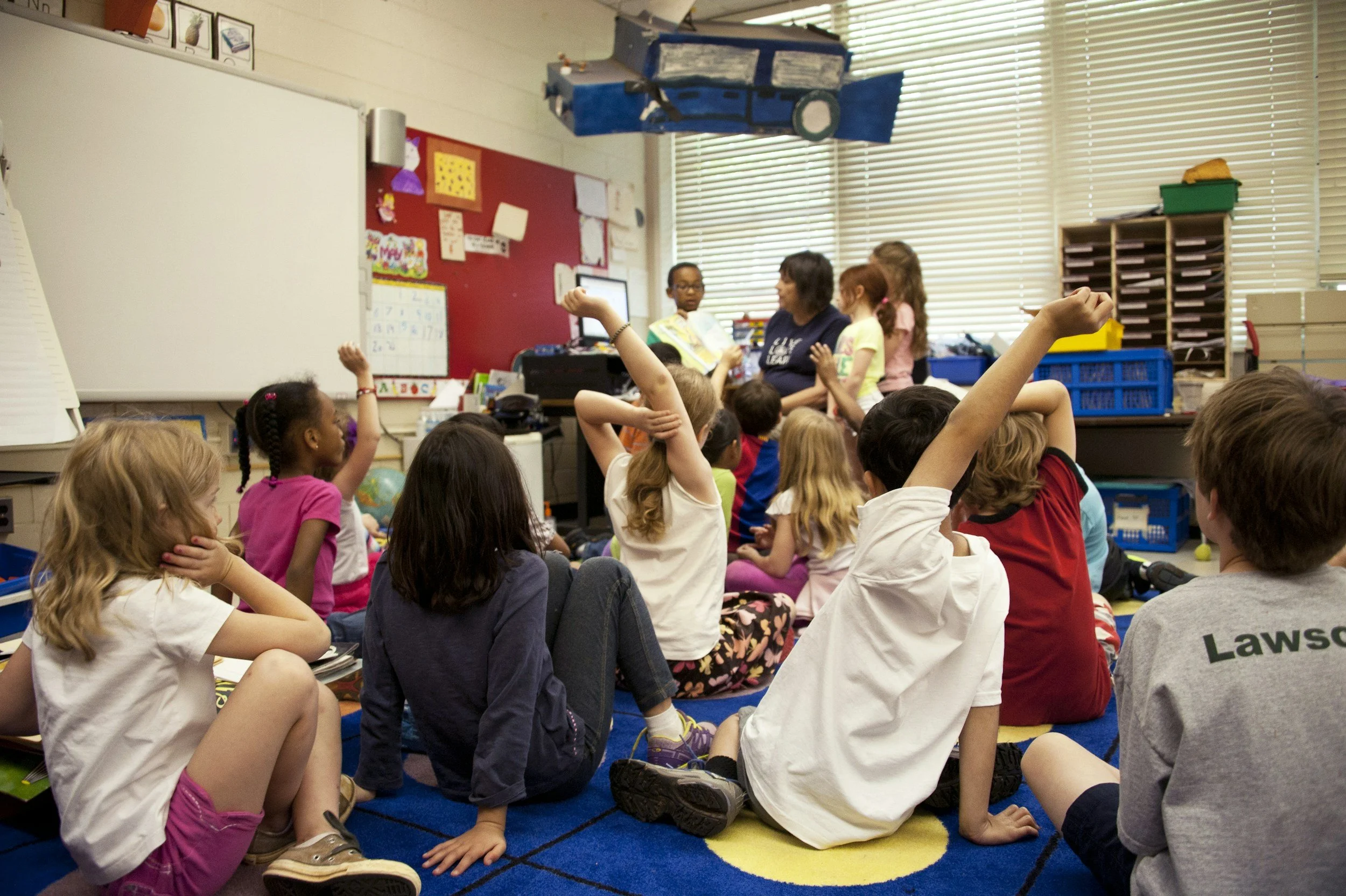
The Transition Back to School Starts Before the First Day
A successful school year begins long before the first day of class. Learn evidence-based strategies to help your child transition back to school with greater confidence, stronger routines, and reduced stress.
For many families, the start of a new school year begins with shopping for supplies, finding backpacks, and checking class schedules. While those preparations certainly matter, one of the most important aspects of a successful school year often begins long before a child walks through the school doors. The transition back to school is not simply a change in location. It is a shift in routines, expectations, relationships, and demands that can have a meaningful impact on a child's academic, emotional, and behavioral adjustment.
Research in developmental psychology consistently shows that children thrive when they experience predictability and routine. During the summer, many schedules naturally become more flexible. Bedtimes are pushed later, mornings become less structured, and daily routines often revolve around vacations, camps, or family activities. While this flexibility can be refreshing, abruptly returning to the structure of the school year can be challenging for many children.
One of the most effective ways parents can ease this transition is by gradually reintroducing school routines before the first day. Research has shown that adequate sleep plays an important role in attention, memory, emotional regulation, and learning. Rather than shifting bedtime the night before school begins, adjusting sleep schedules by fifteen to thirty minutes every few days allows children's bodies to adapt more naturally.
The transition also provides an opportunity to rebuild routines that support independence. Simple responsibilities such as packing a backpack, choosing clothes the night before, organizing school materials, or preparing part of their lunch help children practice executive functioning skills like planning, organization, and responsibility. While these tasks may seem small, repeated opportunities to develop independence often reduce stress for both children and parents once the school year begins.
For some children, however, the biggest challenge is not organization. It is uncertainty.
Returning to school often brings questions that children may not openly express. Will my teacher like me? Will my friends still be in my class? What if the work is harder? What if I make mistakes? These concerns are common, even among children who are excited about returning to school. Research suggests that helping children identify and talk about their emotions can reduce anxiety and improve emotional regulation. Sometimes the most supportive response is simply creating space for children to share their thoughts without immediately trying to solve every problem.
Parents can also help by focusing conversations on growth rather than performance. Instead of emphasizing grades or achievement before the school year even begins, discussions about learning, curiosity, effort, kindness, and problem-solving establish expectations that encourage resilience. Children benefit from knowing that mistakes are an expected part of learning rather than something to fear.
For children with existing learning, attention, behavioral, or emotional challenges, preparation often involves additional planning. Reviewing accommodations, ensuring communication with the school is established, and discussing strategies that were successful the previous year can help create a smoother transition. Beginning these conversations before concerns arise often leads to stronger collaboration throughout the school year.
The weeks leading up to school also provide valuable opportunities for parents to observe their children. Without the structure of the classroom, some children continue reading, organizing themselves, and managing responsibilities with relative ease. Others continue to struggle with attention, following directions, reading, writing, or completing age-appropriate tasks despite encouragement and support. Sometimes these patterns become even more noticeable during the summer because parents have greater opportunities to observe them firsthand.
When concerns persist across settings and over time, they may warrant a closer look. Rather than waiting until the first report card or parent-teacher conference, beginning the school year with a clearer understanding of how a child learns can help families and educators provide support from the very beginning. Comprehensive psychoeducational evaluations help identify cognitive strengths, academic skills, executive functioning, attention, and other factors that influence learning, allowing interventions to be based on understanding rather than trial and error.
Perhaps the most important reminder is that a successful school year is not determined by the first day alone. It is shaped by the routines, relationships, expectations, and preparation that begin well before children ever step into the classroom. Small adjustments made during the final weeks of summer can have lasting effects on confidence, independence, and readiness to learn.
As another school year approaches, remember that preparing children is about much more than buying supplies. It is about helping them feel organized, supported, confident, and ready for the opportunities ahead.
For more insights like this, follow along as we continue exploring child development, learning, and practical ways families can support children both in and out of the classroom.

Your Child's Brain Is Built to Change: Understanding Neuroplasticity
Neuroplasticity is the brain's remarkable ability to change throughout life. Discover how learning, relationships, and early intervention help shape children's developing brains and why understanding this process can change how we think about growth and learning.
One of the greatest misconceptions about learning is the belief that children are simply born with certain abilities and that those abilities remain relatively fixed over time. When a child struggles with reading, organization, attention, or mathematics year after year, it can begin to feel as though those challenges are permanent. Parents may wonder whether their child will ever catch up, and children themselves may begin to believe they simply are not good at school.
Fortunately, decades of neuroscience research tell a much different story.
One of the most significant discoveries in modern neuroscience is the concept of neuroplasticity, the brain's remarkable ability to change, adapt, and reorganize itself throughout life. Every time a child learns a new skill, practices a strategy, solves a problem, or experiences something meaningful, networks of neurons communicate with one another. Repeated experiences strengthen these neural connections, making the brain more efficient at performing those skills in the future. Rather than being fixed, the developing brain is continually shaped by learning, experience, relationships, and the environment.
While neuroplasticity exists throughout the lifespan, childhood represents one of the most dynamic periods of brain development. During these years, the brain is especially responsive to new experiences, making them an important time for acquiring academic skills, developing emotional regulation, strengthening executive functioning, and building healthy habits that support lifelong learning.
This does not mean that every challenge disappears with enough practice, nor does it suggest that children simply need to work harder. Learning differences, ADHD, developmental disorders, and other conditions are real and deserve thoughtful, evidence-based support. What neuroplasticity does tell us is that the brain has an extraordinary capacity to improve when children receive the right instruction, interventions, and opportunities to practice meaningful skills over time.
Research has consistently demonstrated that evidence-based instruction and targeted intervention can produce measurable improvements in learning and even changes in how the brain processes information. Children with reading difficulties, for example, have shown changes in brain activation following structured literacy interventions. Similar findings have been reported in areas such as language development, attention, executive functioning, and mathematics. These discoveries have fundamentally changed how educators and psychologists think about learning and intervention.
Relationships also play an important role in brain development. Supportive interactions with parents, teachers, and other trusted adults help create environments where children feel emotionally safe enough to learn. Research suggests that chronic stress can interfere with attention, memory, and learning by affecting the brain's stress response systems. Conversely, consistent encouragement, emotional support, and positive relationships help children regulate emotions and engage more effectively in learning experiences.
One of the most encouraging aspects of neuroplasticity is that meaningful growth is often gradual. Parents sometimes hope for dramatic improvements, but the brain typically changes through repeated experiences over time. A child who independently reads one more page than they could last month, remembers to organize their backpack more consistently, or approaches challenging work with greater confidence is demonstrating meaningful progress. These small improvements often reflect important changes occurring beneath the surface as new neural pathways become stronger and more efficient.
At the same time, neuroplasticity is not a reason to delay support. While the brain remains capable of learning throughout life, early identification allows children to receive interventions during one of the most responsive periods of development. Understanding why a child is struggling allows families and educators to provide targeted supports rather than relying on trial and error.
This is one reason comprehensive psychoeducational evaluations can be so valuable. By identifying a child's cognitive strengths, learning profile, academic skills, attention, executive functioning, and social-emotional functioning, an evaluation provides a clearer understanding of how that child learns best. Rather than focusing solely on areas of difficulty, the goal is to identify strengths that can be leveraged while developing interventions that address specific areas of need. When instruction is aligned with a child's learning profile, the brain is given greater opportunities to build the connections that support growth.
Perhaps the most hopeful message neuroplasticity offers is that children should never be defined by where they are today. Development is an ongoing process, and the brain is continually adapting to the experiences it encounters. With evidence-based instruction, supportive relationships, meaningful practice, and appropriate intervention when needed, children can continue developing skills that once seemed out of reach.
Understanding neuroplasticity reminds us that growth is rarely about changing who a child is. It is about creating the conditions that allow them to become the most capable version of themselves.

Trauma-Informed, Not Trauma-Defined: Supporting Children Through Understanding
Trauma often affects children's behavior, emotions, and ability to learn in ways that can be misunderstood. Discover how a trauma-informed approach helps parents and teachers respond with understanding while maintaining healthy expectations.
Children do not experience trauma in the same way adults do. While adults often recognize trauma as the result of a single life-threatening event, children may be deeply affected by a wide range of experiences, including abuse, neglect, the loss of a loved one, exposure to violence, serious illness, family conflict, divorce, community violence, natural disasters, or chronic stress. What matters is not only the event itself, but how the child's brain and body respond to it.
Research over the past several decades has transformed our understanding of childhood trauma. Studies on Adverse Childhood Experiences (ACEs) and advances in developmental neuroscience have demonstrated that repeated or significant stress can influence how a child's brain develops, particularly in areas responsible for attention, emotional regulation, memory, learning, and executive functioning. When a child's stress response system remains activated for prolonged periods, the brain often prioritizes survival over learning.
This helps explain why trauma may appear in ways that are easily misunderstood. A child who has experienced trauma may become more withdrawn or emotionally reactive. They may have difficulty concentrating, following directions, managing frustration, or trusting adults. Others may become overly compliant, anxious, or perfectionistic. Some children appear constantly "on alert," while others seem emotionally disconnected. Although these behaviors can be disruptive or confusing, they are often adaptive responses to experiences that have overwhelmed a child's sense of safety.
This is where a trauma-informed approach becomes so important.
Being trauma-informed does not mean lowering expectations or excusing inappropriate behavior. Rather, it means recognizing that behavior often communicates an unmet need or underlying experience. Instead of asking, "What's wrong with this child?" a trauma-informed perspective encourages us to ask, "What might this child have experienced, and how can I respond in a way that promotes safety, connection, and growth?"
Research consistently demonstrates that strong, supportive relationships with caring adults are among the most powerful protective factors for children who have experienced adversity. A predictable routine, emotional validation, clear expectations, and consistent responses help children develop a sense of stability. Feeling seen, heard, and understood can reduce stress and strengthen a child's ability to regulate emotions and engage in learning.
Parents can reinforce a trauma-informed approach at home by creating routines that provide predictability, responding with curiosity before correction, and helping children identify and express their emotions. Simple practices such as maintaining regular meal and bedtime routines, spending uninterrupted time together, and modeling healthy coping strategies help children rebuild a sense of safety and connection. Equally important is recognizing that children often need co-regulation before they are capable of self-regulation. Calm, supportive adults help children learn to calm themselves over time.
Teachers play an equally important role. Greeting students by name, establishing consistent classroom expectations, offering choices when appropriate, and viewing challenging behavior through a lens of understanding can help create environments where children feel emotionally safe enough to learn. Trauma-informed classrooms are not less structured. In many ways, they are more intentional about balancing accountability with compassion.
It is also important to recognize that trauma is only one possible explanation for changes in behavior or learning. Attention difficulties, learning disabilities, anxiety, depression, medical conditions, and other developmental factors can present in similar ways. Understanding the underlying cause is essential to providing effective support rather than relying on assumptions.
One of the most meaningful shifts adults can make is moving from asking why a child is behaving a certain way to asking what the child may need in that moment. That shift encourages curiosity, strengthens relationships, and creates opportunities to respond in ways that support both development and learning.
Children are remarkably resilient, particularly when surrounded by adults who provide consistency, understanding, and hope. Trauma may become part of a child's story, but it does not have to define the ending.
Before You Assume It’s a Motivation Problem, Read This
When a child avoids homework, procrastinates, or seems disengaged from school, motivation is often blamed. However, what appears to be a lack of effort may actually reflect challenges related to attention, executive functioning, anxiety, or learning. Understanding the difference can change how we support children and help them succeed.
Few concerns are raised more often by parents and teachers than a child’s apparent lack of motivation. A student forgets assignments, puts off homework until the last minute, avoids studying for tests, or seems uninterested in school, and the conclusion often feels straightforward. They simply are not trying hard enough. Over time, children may begin hearing messages about effort, responsibility, and motivation so frequently that they start questioning themselves as well.
The challenge is that what appears to be a lack of motivation on the surface is often something entirely different underneath. In my experience working with children, families, and schools, many of the students who appear disengaged from school are not lacking effort or potential. More often, they are struggling with obstacles that are not immediately visible to the adults around them.
Consider the student who repeatedly puts off starting assignments. From the outside, it may look like a choice. The work is sitting there waiting to be completed, yet nothing happens. What adults sometimes miss is that beginning a task requires a number of skills working together behind the scenes. A child must organize their materials, determine where to start, sustain attention, manage distractions, and hold information in mind long enough to follow through. For students with weaknesses in executive functioning, getting started can feel far more difficult than it appears.
Other children seem capable one moment and completely disengaged the next. Parents often tell me that their child can spend hours learning about a favorite hobby, mastering the rules of a game, or remembering every detail about a topic they enjoy, yet somehow cannot focus on a twenty-minute homework assignment. This inconsistency is often confusing because it seems to contradict the idea that motivation is the problem. In reality, attention is rarely an all-or-nothing skill. Many children with attention difficulties are able to focus exceptionally well when something captures their interest while struggling significantly when tasks are less engaging or require sustained mental effort.
Sometimes the issue is not attention at all. A child who avoids reading may be doing so because reading is genuinely difficult. Another child may struggle to express their thoughts in writing despite understanding the material. When academic tasks consistently feel harder than they appear to be for peers, frustration begins to accumulate. Over time, avoidance can become a way of protecting oneself from repeated experiences of difficulty or failure. What adults interpret as a lack of effort may actually be a response to discouragement.
Anxiety can create similar patterns. While many people associate anxiety with excessive worrying, it often shows up in ways that are less obvious. Some children become so concerned about making mistakes that they delay starting tasks altogether. Others become overwhelmed by the possibility of failure and disengage before they have a chance to be disappointed. From the outside, the behavior may look identical to a lack of motivation, but the emotional experience driving it is completely different.
Research in psychology and education consistently suggests that behavior is often the visible expression of something deeper. When we focus only on what we can see, we risk misunderstanding what is actually happening. Two children may display the exact same behavior while requiring entirely different types of support. One may be struggling with ADHD, another with anxiety, and another with an undiagnosed learning disability. The behavior is similar, but the reason behind it is not.
This is why one of the most powerful shifts parents can make is moving from judgment to curiosity. Rather than asking why a child is not trying, it can be more helpful to ask what might be making success difficult. That question encourages understanding rather than assumption. It opens the door to identifying barriers, developing skills, and providing support that is matched to the child’s actual needs.
None of this means that expectations should disappear. Children still benefit from accountability, structure, and responsibility. However, expectations are most effective when they are paired with understanding. When adults take the time to identify what is driving a child’s behavior, they are far more likely to address the root cause rather than simply reacting to the symptom.
The next time a child appears disengaged, avoids school-related tasks, or seems unwilling to participate, it may be worth considering that a lack of motivation is only one possible explanation, and often not the most accurate one. In many cases, what looks like a lack of effort is actually a signal that something beneath the surface deserves a closer look. Understanding that difference can change not only how we respond, but also the opportunities we create for children to succeed.

Understanding Florida's Step Up For Students Scholarship: What Parents Need to Know
Many Florida families have heard of Step Up For Students but are unsure how it works. Learn about eligibility, approved uses, scholarship options, and how the program can help support your child's educational needs.
Many parents know their child needs support, but they are often unsure what resources are available or how to access them. Whether concerns involve learning, attention, behavior, communication, academic performance, or developmental differences, navigating available services can sometimes feel overwhelming.
One resource that many Florida families have heard about but may not fully understand is the Step Up For Students scholarship program.
Florida offers several scholarship programs designed to provide families with greater flexibility and access to educational opportunities that support their child's individual needs. These scholarships can help families access services, programs, and resources that may otherwise be difficult to obtain.
Step Up For Students is a state-approved nonprofit organization that administers several scholarship programs on behalf of the State of Florida. While many people associate these scholarships solely with private school tuition, the programs can often be used for a much broader range of educational services and supports.
One of the most widely utilized programs is the Family Empowerment Scholarship for Students with Unique Abilities (FES-UA). This scholarship is designed for students with qualifying diagnoses or documented disabilities and provides families with funding that can be used toward approved educational expenses.
Depending on a student's needs, scholarship funds may be used for services such as educational evaluations, tutoring, curriculum, instructional materials, technology, therapies, specialized educational programs, and other approved educational supports. The goal is to provide families with greater access to resources that help children succeed academically, socially, and developmentally.
For many families, one of the most valuable aspects of the program is the ability to access services that provide a deeper understanding of how their child learns.
Educational evaluations, for example, can help identify strengths and areas of need related to cognitive processing, academic skills, attention, executive functioning, social-emotional development, and behavior. This information can provide important insight into why a child may be struggling and help guide educational planning both at school and at home.
Parents often ask whether their child qualifies for a scholarship. Eligibility requirements vary depending on the specific scholarship program and may change over time. In general, students must meet criteria established by the State of Florida. Families are encouraged to review current eligibility information directly through Step Up For Students to determine whether their child may qualify.
The application process is completed online and typically requires documentation related to eligibility. Once approved, families can access scholarship funds through the program's educational marketplace and approved provider network.
Many parents are surprised to learn that valuable educational resources may already be available to them through these programs. Unfortunately, some families do not discover these opportunities until years after concerns first emerge.
Understanding available supports is often an important first step in helping children receive the services they need. The earlier families gain clarity regarding their child's strengths, challenges, and learning profile, the better equipped they are to make informed decisions moving forward.
For families considering educational evaluations, it is also important to know that certain assessments and services may be eligible for funding through the Step Up For Students program. Understanding what resources are available can help reduce barriers and increase access to meaningful support.
Unlock Learning Palm Beach is an approved Step Up For Students provider and accepts eligible scholarship funds for qualifying psychoeducational evaluation services.
While every child's needs are different, access to appropriate information, resources, and support can make a meaningful difference in helping children reach their potential.
The more parents understand the options available to them, the better positioned they are to advocate for and support their children throughout their educational journey.

What Parents Don't Know About the Educational System (And Why It Matters)
Most parents know their child well, but many were never taught how the educational system works. Understanding MTSS, PBIS, Section 504 Plans, and IEPs can help families make informed decisions and advocate with greater confidence when concerns arise.
Most parents know their child better than anyone else. They know their child's personality, strengths, interests, challenges, and habits. They often recognize when something feels different long before concerns are formally identified at school.
What many parents do not know, however, is how the educational system works.
That is not a criticism. Most parents were never taught the difference between a Section 504 Plan and an Individualized Education Program (IEP). They were never taught how schools identify students for support, what interventions should occur before special education is considered, or how educational decisions are made. As a result, many parents find themselves trying to advocate for their child while navigating a system that feels unfamiliar and filled with acronyms.
Recently, I had a conversation with a parent who was concerned about her middle school-aged son. She described increasing behavioral concerns at school, frequent disciplinary issues, and growing frustration with academics. She suspected attention difficulties might be contributing to the problem but was unsure where to begin or what supports might be available.
As we talked, it became clear that her biggest challenge was not a lack of dedication or concern. She simply did not know what she did not know.
This is a situation many families find themselves in.
When a child begins struggling, parents often assume the first step is requesting an evaluation or asking about special education services. In reality, schools typically have several layers of support designed to help students before those conversations occur. Many schools use a framework called Multi-Tiered System of Supports (MTSS), which provides increasing levels of academic, behavioral, and social-emotional support based on student need. The goal is to identify concerns early and provide interventions before difficulties become more significant.
Schools may also implement Positive Behavioral Interventions and Supports (PBIS). This framework focuses on teaching, reinforcing, and supporting positive behavior across the school environment. Rather than relying solely on consequences, PBIS emphasizes prevention, skill development, and creating environments that promote student success.
For some students, these interventions and supports are sufficient. For others, additional accommodations or services may be necessary.
This is where many parents first hear terms like Section 504 and IEP.
A Section 504 Plan is designed to provide accommodations for students whose disabilities substantially limit one or more major life activities. The purpose of a 504 Plan is to provide access. A student with ADHD, for example, may benefit from accommodations such as extended time, preferential seating, organizational support, movement breaks, or assistance with task completion. These accommodations help reduce barriers but do not provide specialized instruction.
An Individualized Education Program (IEP) serves a different purpose. An IEP is available to students who meet eligibility criteria under federal special education law and require specially designed instruction because of their disability. Unlike a Section 504 Plan, an IEP can include individualized goals, specialized instruction, related services, accommodations, and ongoing progress monitoring.
For parents, these distinctions can feel overwhelming. Many simply want to know what their child needs and how to access the appropriate support.
The challenge is that the answer depends on understanding why the child is struggling in the first place.
A student who appears inattentive may have ADHD. Another may be struggling because of an undiagnosed learning disability. Another may be experiencing anxiety, executive functioning difficulties, emotional challenges, or a combination of factors. Similar behaviors can stem from very different underlying causes.
Without understanding the reason for the difficulty, it becomes challenging to determine which supports are most appropriate.
One of the most frustrating experiences for parents is knowing their child is struggling while feeling uncertain about what questions to ask or where to turn for help. Many parents assume schools will automatically identify every concern and explain every available option. While schools work hard to support students, educational systems are complex, and parents often benefit from having a deeper understanding of how decisions are made and what supports exist.
The good news is that parents do not need to become experts in educational law, special education, or school psychology. They simply need enough knowledge to ask informed questions, participate meaningfully in conversations, and advocate effectively for their child.
Sometimes the most important step is not immediately pursuing a particular service or support. Sometimes it is gaining clarity about what is actually happening and why.
When parents better understand the educational system, they are often better positioned to help their children navigate it successfully. And when families, educators, and professionals work together with a shared understanding of a child's needs, better outcomes become far more likely.
For more insights like this, follow along as we continue exploring child development, learning, and how families can confidently navigate the educational system.

The Summer Slide: What Parents Can Do to Help Children Stay on Track
Summer break is important for rest and growth, but research shows that some children can lose academic skills during extended time away from school. Learn practical, evidence-based ways to keep children engaged in learning while still enjoying their summer.
As the school year comes to an end, many children look forward to a well-earned break from homework, tests, and daily academic demands. Summer provides valuable opportunities for rest, family time, travel, outdoor activities, and experiences that support social and emotional development. However, research has consistently shown that extended periods away from academic engagement can result in a decline in certain skills, particularly in reading and mathematics. This phenomenon is commonly referred to as the “summer slide.”
The summer slide does not affect every child equally. Research suggests that students who are already struggling academically may experience greater skill loss during the summer months, while students who regularly engage in reading, learning activities, and enriching experiences often maintain or even improve their skills. The encouraging news is that preventing significant regression does not require turning summer into school.
One of the most effective strategies supported by research is simply encouraging regular reading. Children who read consistently throughout the summer tend to maintain stronger literacy skills than those who do not. Importantly, the reading material does not need to look like traditional schoolwork. Novels, graphic novels, magazines, biographies, informational texts, and books related to a child’s interests can all contribute to literacy development. Choice often increases engagement, which increases the likelihood that children will continue reading independently.
Mathematics can also be reinforced through everyday experiences. Cooking, shopping, budgeting, measuring, travel planning, and even certain board games naturally incorporate mathematical thinking. These activities help children apply skills in meaningful contexts while reducing the pressure often associated with formal academic practice.
Research also highlights the importance of maintaining opportunities for children to think, problem-solve, and engage in meaningful conversations. Visits to museums, libraries, parks, historical sites, community events, and cultural activities expose children to new ideas and vocabulary while encouraging curiosity and critical thinking. These experiences support learning in ways that may not immediately resemble traditional academics but contribute significantly to development.
At the same time, summer can provide valuable information about a child’s learning profile. Without the structure and support of the classroom, some children continue to read, write, and learn with relative ease. Others may demonstrate persistent struggles that become more noticeable when parents have an opportunity to observe them more closely. Difficulty reading independently, avoiding academic tasks, becoming unusually frustrated during learning activities, or showing significant challenges with attention, organization, memory, or executive functioning may warrant a closer look.
While occasional frustration is a normal part of learning, consistent patterns that interfere with a child’s ability to engage successfully may indicate that additional support is needed. In these situations, summer can be an ideal time to gather information and better understand how a child learns.
A comprehensive psychoeducational evaluation can help identify underlying factors that may be contributing to academic, behavioral, emotional, or attentional difficulties. Rather than focusing solely on what a child is struggling with, a quality evaluation helps uncover why the struggle is occurring by examining cognitive processing, academic skills, attention, executive functioning, and other factors that influence learning. This information can help families make informed decisions and enter the new school year with greater clarity and confidence.
Ultimately, the goal of summer is not to replicate the school year. It is to create opportunities for children to rest, grow, explore, and continue learning in meaningful ways. Small, consistent experiences often have a greater impact than intensive academic programs that are difficult to sustain.
When children remain engaged, curious, and connected to learning throughout the summer, they are often better prepared to return to school ready to build upon the progress they made during the previous year.

How Children Process Loss and Grief: What Adults Need to Understand
Children process grief differently than adults, and loss may appear through behavior, emotions, physical complaints, withdrawal, or changes in daily functioning. This week’s blog explores how children understand and process grief across development and how adults can support them through difficult experiences.
Children experience loss differently than adults, and their understanding of grief changes as they grow and develop. While adults often recognize grief through sadness or emotional expression, children may process loss in ways that are less direct and sometimes misunderstood. Changes in behavior, increased irritability, difficulty concentrating, regression, physical complaints, withdrawal, or even periods of playfulness shortly after a loss can all be part of how children process grief.
Research in child development and psychology continues to show that children do not process grief in a linear or consistent way. Younger children, in particular, may move in and out of grief quickly. A child may ask difficult questions one moment and then return to playing shortly after. This does not mean the loss did not affect them. Children often process overwhelming emotions in smaller, more manageable pieces over time.
A child’s developmental level also influences how they understand death and loss. Younger children may struggle to fully grasp permanence and may repeatedly ask questions about whether someone is coming back. School-aged children often begin to understand the permanence of death more clearly but may experience increased anxiety, fear, guilt, or confusion surrounding the loss. Adolescents may process grief in ways that appear more similar to adults, though they may still struggle to express emotions openly or seek support consistently.
Research also highlights the importance of emotionally responsive and supportive caregiving during periods of grief. Children benefit from honest, developmentally appropriate conversations, emotional validation, consistency, and opportunities to express feelings safely. In many cases, children are not looking for perfect answers. They are often looking for reassurance, connection, and the sense that their emotions are safe to experience and discuss.
Adults sometimes unintentionally overlook grief in children when emotions are not expressed outwardly. Some children become quieter. Others become more behavioral, emotional, or easily frustrated. Academic difficulties, changes in sleep, social withdrawal, or increased sensitivity can also emerge following significant loss or disruption.
Importantly, grief is not limited only to death. Children can also experience grief following divorce, relocation, family separation, loss of routines, friendship changes, illness, or other major life transitions. Any experience involving significant change, separation, or emotional disruption can impact a child’s sense of stability and security.
One of the most helpful things adults can provide during periods of grief is presence and emotional availability. Children often process difficult experiences through repeated conversations and interactions over time rather than through a single discussion. Feeling supported, listened to, and emotionally safe can help children gradually make sense of experiences that may initially feel confusing or overwhelming.
As Memorial Day approaches, many families may also experience grief connected to the loss of military service members, loved ones, friends, or family members who served. For children in military and veteran-connected families, these conversations and emotions may carry particular meaning. Remembering and honoring loved ones can create opportunities for connection, reflection, and support across generations.
Research consistently reminds us that children are deeply influenced not only by the experiences they go through, but also by how the adults around them help them navigate those experiences over time.
For more insights like this, follow along as we continue exploring child development, emotional well-being, and the power of everyday interactions.
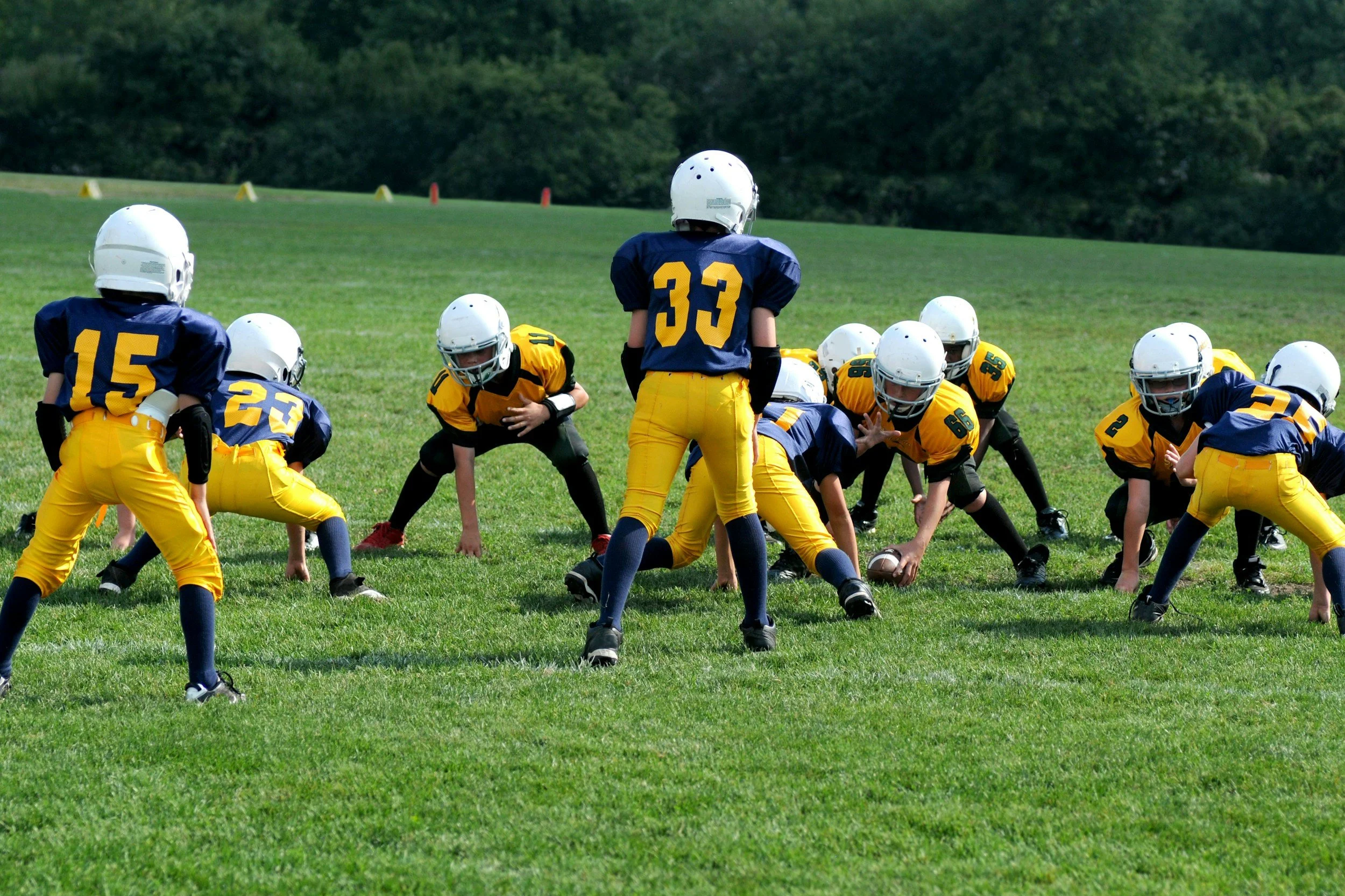
The Hidden Life Lessons Children Learn Through Sports, Martial Arts, and Other Activities
Children often develop some of their most important life skills outside the classroom. Sports, martial arts, music, and other structured activities can help shape discipline, emotional regulation, teamwork, resilience, and confidence in ways that extend far beyond the activity itself.
Children learn far more from experiences than from lectures. Some of the most important life skills are not developed during formal lessons, but through repeated participation in activities that gradually shape how children think, respond, communicate, and relate to others over time.
Sports, martial arts, music, clubs, creative activities, and other structured experiences often teach lessons that extend well beyond the activity itself. A child participating in team sports is not only learning athletic skills. They are learning how to cooperate with others, work toward shared goals, manage disappointment, respond to feedback, and continue contributing even when things do not go perfectly. They begin to understand concepts like accountability, persistence, and the importance of individual effort within a larger group.
Martial arts often provide a different but equally valuable set of experiences. In addition to physical training, many programs emphasize discipline, emotional control, patience, consistency, and respect. Children learn that frustration does not always require an immediate reaction and that growth often comes from repetition, structure, and gradual improvement over time. These experiences can help strengthen emotional regulation, confidence, and self-control in ways that extend into school, relationships, and daily life.
Creative activities such as music, art, theater, or dance also play an important role in development. These experiences often encourage self-expression, frustration tolerance, sustained attention, flexibility, and confidence. Children learn how to practice through difficulty, accept imperfection, and continue developing a skill even when immediate success does not occur.
Research in child development continues to support the idea that structured extracurricular activities can positively influence social development, emotional regulation, self-esteem, persistence, and overall well-being. Many of these environments provide opportunities for children to experience manageable challenges while also receiving support, encouragement, and constructive feedback from adults and peers.
At the same time, the activity itself is only part of the equation. The way parents respond to and reinforce these experiences at home also matters greatly. Children often absorb life lessons more effectively when adults help them reflect on the process rather than focusing only on outcomes.
For example, after a game, practice, recital, or competition, conversations centered around effort, teamwork, resilience, sportsmanship, preparation, emotional control, or personal growth are often more beneficial than conversations focused entirely on winning or performance. Helping children process setbacks, tolerate frustration, and recognize gradual improvement teaches them that success is not simply about results, but also about growth and persistence.
Parents also model many of these same lessons through everyday interactions. Children observe how adults handle stress, disappointment, conflict, patience, and responsibility. In many ways, the lessons children learn through activities become stronger when they are reinforced consistently within the home environment.
Not every child will connect with the same activity, and not every lesson develops at the same pace. What matters most is often consistent exposure to experiences that encourage growth, responsibility, emotional development, cooperation, and perseverance over time.
Many of the most important life lessons children develop are not taught through direct instruction alone. They are developed gradually through relationships, repetition, challenge, encouragement, and experience.
For more insights like this, follow along as we continue exploring child development, learning, and the power of everyday interactions.