

Beyond the Pink Ribbon: How Breast Cancer Can Affect Children and Families
Breast cancer affects more than the person receiving treatment. Children and adolescents may also experience changes in routines, relationships, responsibilities, and emotional security. From my perspective as a school psychologist, understanding how stress and grief can appear in children's behavior, learning, and relationships can help the adults around them respond with greater awareness and support.
October marks Breast Cancer Awareness Month. We see pink ribbons, fundraising campaigns, survivor stories, and important messages encouraging awareness and screening. All of that has value. At the same time, when I think about breast cancer from my perspective as a school psychologist, I also think about the people surrounding the person who receives the diagnosis. I think about spouses and partners, parents, siblings, friends, caregivers, and especially children who may be trying to understand what is happening while the adults around them are trying to understand it themselves.
A cancer diagnosis does not occur in isolation. It enters a family system that already has routines, responsibilities, relationships, expectations, and ways of functioning. Treatment may introduce medical appointments, fatigue, physical changes, financial pressures, changes in caregiving responsibilities, and uncertainty about what comes next. Research examining parental cancer has found that these disruptions can affect the entire family, including children's emotional, behavioral, and social functioning. How children respond varies considerably based on their age, developmental level, relationship with the person who is ill, family environment, available support, and the circumstances surrounding the illness.
Through my years of experience and evidence-based practice as a school psychologist, I have come to appreciate how experiences outside of school can show up inside the classroom in ways that are not always obvious. When a child is worried about someone they love, they do not simply leave that worry at home when they walk through the school doors. Stress may appear as difficulty concentrating, changes in motivation, irritability, withdrawal, fatigue, changes in behavior, or difficulty completing work that was previously manageable. Sometimes the first indication that a child is having difficulty coping is not what they say, but a noticeable change in how they function.
This is particularly important because children do not necessarily experience or express stress in the same way adults do. A younger child may not fully understand what cancer means but may recognize that someone they love is tired, looks different, is attending frequent appointments, or is no longer available in the same ways they were before. Young children may become clingier, experience changes in sleep, demonstrate greater separation anxiety, or temporarily return to behaviors they had previously outgrown. School-age children may understand more about the illness but still have misconceptions or worries that they do not know how to express. Adolescents may understand the seriousness of a diagnosis much more clearly while simultaneously trying to manage friendships, academics, activities, increasing independence, and their own developing identity.
Teenagers can be especially difficult for adults to read. An adolescent may understand exactly why a parent or loved one is undergoing treatment but choose not to discuss their fears because they do not want to create another problem for the family. They may try to appear unaffected, spend more time with friends, withdraw, or assume additional responsibilities at home. A recent systematic review examining adolescents with a parent who has cancer found that some young people described loneliness and managing overwhelming emotions on their own. Limited communication within the family could intensify those experiences, while family, friendship, and school support emerged as potential protective factors.
There is another part of this experience that deserves attention during Breast Cancer Awareness Month, and that is grief. We often associate grief with death, but grief can begin long before a loss occurs. Researchers use terms such as anticipatory grief, pre-death grief, and pre-loss grief to describe experiences that can occur when someone we love is living with a serious or life-limiting illness. A family may grieve the predictability they once had, changes in someone's health or appearance, missed traditions, altered roles, or simply the sense of security that existed before the diagnosis.
For a child, these changes can be difficult to name. A child may not say, "I am struggling with uncertainty about my mother's treatment." Instead, we may see a child who suddenly becomes more irritable, has difficulty sleeping, struggles to concentrate, becomes unusually quiet, or needs more reassurance than before. This is one reason context matters so much when we are trying to understand children's behavior. Behavior gives us information, but it does not always give us the explanation.
Recognizing the role of stress and grief does not mean that every behavioral or academic difficulty should automatically be attributed to a family member's cancer diagnosis. Children are complex, and there may be many reasons for a change in functioning. It does mean that when we notice a meaningful change in a child, it is worth becoming curious about what may have changed in that child's world before drawing conclusions about motivation, effort, or attitude.
Adults sometimes try to protect children from difficult realities by saying very little about what is happening. That instinct is understandable. We want children to feel safe, and discussing cancer can feel frightening when we do not know exactly what the future holds. Yet children are remarkably observant. They notice whispered conversations, changes in routines, adults leaving for appointments, fatigue, hair loss, emotional reactions, and other changes around them. When children know something is happening but do not have enough information to understand it, they may create their own explanations.
This does not mean children need every medical detail. They need information that is honest, developmentally appropriate, and responsive to the questions they are asking. The National Cancer Institute recommends truthful communication with children about a parent's cancer rather than pretending that everything is fine, while the American Cancer Society similarly emphasizes age-appropriate information, opportunities to ask questions, and preparation for changes associated with treatment. Sometimes an appropriate answer is also, "I don't know yet." Honesty does not require having every answer.
Maintaining some sense of predictability can also be valuable. Cancer treatment may make it impossible to preserve every routine, but familiar structures can provide children with a sense of continuity when other parts of life feel uncertain. Going to school, participating in sports or activities when possible, spending time with friends, and maintaining familiar family traditions can all help preserve parts of ordinary childhood. The American Cancer Society recommends maintaining routines as much as possible while preparing children when changes are expected.
The adults outside of the immediate family can matter tremendously as well. Teachers, school counselors, school psychologists, coaches, extended family members, neighbors, faith leaders, and other trusted adults may provide additional sources of consistency and connection. Families do not necessarily need to share every detail of a diagnosis with a child's school. However, providing enough information for appropriate school personnel to understand that the family is navigating a significant stressor may help them recognize changes in behavior or performance within the appropriate context. The American Cancer Society specifically recommends considering communication with teachers or school counselors so they can better understand and support a child during a family member's illness.
Support does not necessarily mean removing every expectation from a child. In many cases, maintaining reasonable expectations and routines can provide a valuable sense of normalcy. What may need to change is the way we interpret and respond to difficulty. A student who suddenly forgets assignments, appears tired, becomes unusually emotional, or has difficulty concentrating may still need structure and accountability. They may also need patience, flexibility, and an adult who understands that there is more happening in their life than what is visible in the classroom.
We should also be careful not to place children into caregiving roles that exceed what is developmentally appropriate. Children and adolescents often want to help when someone they love is sick, and participating in manageable household responsibilities can provide a sense of contribution and connection. However, there is a meaningful difference between allowing a child to help and expecting that child to carry adult emotional or caregiving responsibilities. The American Cancer Society cautions against placing excessive responsibility on children and emphasizes keeping responsibilities appropriate for their age and development.
None of this suggests that children who experience a parent's or loved one's cancer diagnosis are destined to develop emotional, behavioral, or academic problems. Many children and families adapt remarkably well, particularly when they have access to supportive relationships, honest communication, and resources that help them navigate the experience. Research on parental cancer consistently points to communication and a supportive family environment as important factors in children's adjustment. The goal should not be to eliminate every difficult emotion. Sadness, worry, anger, confusion, and uncertainty can all be understandable responses to an extraordinarily difficult situation. Our role as adults is to help children experience those emotions without having to navigate them entirely alone.
As we recognize Breast Cancer Awareness Month this October, much of our attention will appropriately focus on awareness, screening, treatment, survivors, and remembering those we have lost. I believe there is also space to recognize the families living alongside the diagnosis. Cancer can change routines, relationships, responsibilities, and the emotional climate of a home. Its effects can reach spouses and partners, children, siblings, friends, caregivers, classrooms, and communities.
As a school psychologist, one of the principles that continues to guide my work is that behavior makes more sense when we understand the context surrounding it. The child sitting quietly in a classroom may be carrying questions they have never asked aloud. The teenager who suddenly seems disengaged may be trying to protect everyone else from knowing how worried they are. The student struggling to concentrate may have spent the previous evening listening to adults discuss an upcoming treatment. We cannot always know what someone is carrying simply by looking at them.
Breast Cancer Awareness Month gives us an opportunity to look beyond the pink ribbon and recognize the human experience surrounding the disease. Sometimes supporting a family means providing practical help. Sometimes it means listening without trying to fix something that cannot immediately be fixed. For the children living alongside someone they love who is undergoing treatment, it can mean providing honesty, stability, patience, and relationships they can depend on while so much around them feels uncertain.
Every interaction may not change what a family is facing, but it can influence how supported someone feels while facing it.
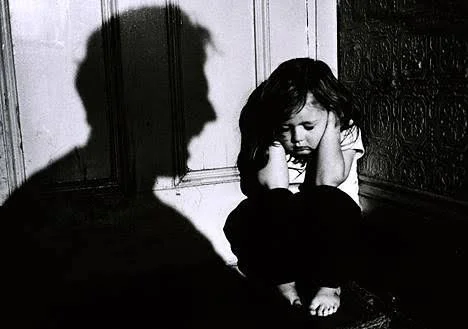
Trauma-Informed, Not Trauma-Defined: Supporting Children Through Understanding
Trauma often affects children's behavior, emotions, and ability to learn in ways that can be misunderstood. Discover how a trauma-informed approach helps parents and teachers respond with understanding while maintaining healthy expectations.
Children do not experience trauma in the same way adults do. While adults often recognize trauma as the result of a single life-threatening event, children may be deeply affected by a wide range of experiences, including abuse, neglect, the loss of a loved one, exposure to violence, serious illness, family conflict, divorce, community violence, natural disasters, or chronic stress. What matters is not only the event itself, but how the child's brain and body respond to it.
Research over the past several decades has transformed our understanding of childhood trauma. Studies on Adverse Childhood Experiences (ACEs) and advances in developmental neuroscience have demonstrated that repeated or significant stress can influence how a child's brain develops, particularly in areas responsible for attention, emotional regulation, memory, learning, and executive functioning. When a child's stress response system remains activated for prolonged periods, the brain often prioritizes survival over learning.
This helps explain why trauma may appear in ways that are easily misunderstood. A child who has experienced trauma may become more withdrawn or emotionally reactive. They may have difficulty concentrating, following directions, managing frustration, or trusting adults. Others may become overly compliant, anxious, or perfectionistic. Some children appear constantly "on alert," while others seem emotionally disconnected. Although these behaviors can be disruptive or confusing, they are often adaptive responses to experiences that have overwhelmed a child's sense of safety.
This is where a trauma-informed approach becomes so important.
Being trauma-informed does not mean lowering expectations or excusing inappropriate behavior. Rather, it means recognizing that behavior often communicates an unmet need or underlying experience. Instead of asking, "What's wrong with this child?" a trauma-informed perspective encourages us to ask, "What might this child have experienced, and how can I respond in a way that promotes safety, connection, and growth?"
Research consistently demonstrates that strong, supportive relationships with caring adults are among the most powerful protective factors for children who have experienced adversity. A predictable routine, emotional validation, clear expectations, and consistent responses help children develop a sense of stability. Feeling seen, heard, and understood can reduce stress and strengthen a child's ability to regulate emotions and engage in learning.
Parents can reinforce a trauma-informed approach at home by creating routines that provide predictability, responding with curiosity before correction, and helping children identify and express their emotions. Simple practices such as maintaining regular meal and bedtime routines, spending uninterrupted time together, and modeling healthy coping strategies help children rebuild a sense of safety and connection. Equally important is recognizing that children often need co-regulation before they are capable of self-regulation. Calm, supportive adults help children learn to calm themselves over time.
Teachers play an equally important role. Greeting students by name, establishing consistent classroom expectations, offering choices when appropriate, and viewing challenging behavior through a lens of understanding can help create environments where children feel emotionally safe enough to learn. Trauma-informed classrooms are not less structured. In many ways, they are more intentional about balancing accountability with compassion.
It is also important to recognize that trauma is only one possible explanation for changes in behavior or learning. Attention difficulties, learning disabilities, anxiety, depression, medical conditions, and other developmental factors can present in similar ways. Understanding the underlying cause is essential to providing effective support rather than relying on assumptions.
One of the most meaningful shifts adults can make is moving from asking why a child is behaving a certain way to asking what the child may need in that moment. That shift encourages curiosity, strengthens relationships, and creates opportunities to respond in ways that support both development and learning.
Children are remarkably resilient, particularly when surrounded by adults who provide consistency, understanding, and hope. Trauma may become part of a child's story, but it does not have to define the ending.