

Trauma-Informed, Not Trauma-Defined: Supporting Children Through Understanding
Trauma often affects children's behavior, emotions, and ability to learn in ways that can be misunderstood. Discover how a trauma-informed approach helps parents and teachers respond with understanding while maintaining healthy expectations.
Children do not experience trauma in the same way adults do. While adults often recognize trauma as the result of a single life-threatening event, children may be deeply affected by a wide range of experiences, including abuse, neglect, the loss of a loved one, exposure to violence, serious illness, family conflict, divorce, community violence, natural disasters, or chronic stress. What matters is not only the event itself, but how the child's brain and body respond to it.
Research over the past several decades has transformed our understanding of childhood trauma. Studies on Adverse Childhood Experiences (ACEs) and advances in developmental neuroscience have demonstrated that repeated or significant stress can influence how a child's brain develops, particularly in areas responsible for attention, emotional regulation, memory, learning, and executive functioning. When a child's stress response system remains activated for prolonged periods, the brain often prioritizes survival over learning.
This helps explain why trauma may appear in ways that are easily misunderstood. A child who has experienced trauma may become more withdrawn or emotionally reactive. They may have difficulty concentrating, following directions, managing frustration, or trusting adults. Others may become overly compliant, anxious, or perfectionistic. Some children appear constantly "on alert," while others seem emotionally disconnected. Although these behaviors can be disruptive or confusing, they are often adaptive responses to experiences that have overwhelmed a child's sense of safety.
This is where a trauma-informed approach becomes so important.
Being trauma-informed does not mean lowering expectations or excusing inappropriate behavior. Rather, it means recognizing that behavior often communicates an unmet need or underlying experience. Instead of asking, "What's wrong with this child?" a trauma-informed perspective encourages us to ask, "What might this child have experienced, and how can I respond in a way that promotes safety, connection, and growth?"
Research consistently demonstrates that strong, supportive relationships with caring adults are among the most powerful protective factors for children who have experienced adversity. A predictable routine, emotional validation, clear expectations, and consistent responses help children develop a sense of stability. Feeling seen, heard, and understood can reduce stress and strengthen a child's ability to regulate emotions and engage in learning.
Parents can reinforce a trauma-informed approach at home by creating routines that provide predictability, responding with curiosity before correction, and helping children identify and express their emotions. Simple practices such as maintaining regular meal and bedtime routines, spending uninterrupted time together, and modeling healthy coping strategies help children rebuild a sense of safety and connection. Equally important is recognizing that children often need co-regulation before they are capable of self-regulation. Calm, supportive adults help children learn to calm themselves over time.
Teachers play an equally important role. Greeting students by name, establishing consistent classroom expectations, offering choices when appropriate, and viewing challenging behavior through a lens of understanding can help create environments where children feel emotionally safe enough to learn. Trauma-informed classrooms are not less structured. In many ways, they are more intentional about balancing accountability with compassion.
It is also important to recognize that trauma is only one possible explanation for changes in behavior or learning. Attention difficulties, learning disabilities, anxiety, depression, medical conditions, and other developmental factors can present in similar ways. Understanding the underlying cause is essential to providing effective support rather than relying on assumptions.
One of the most meaningful shifts adults can make is moving from asking why a child is behaving a certain way to asking what the child may need in that moment. That shift encourages curiosity, strengthens relationships, and creates opportunities to respond in ways that support both development and learning.
Children are remarkably resilient, particularly when surrounded by adults who provide consistency, understanding, and hope. Trauma may become part of a child's story, but it does not have to define the ending.
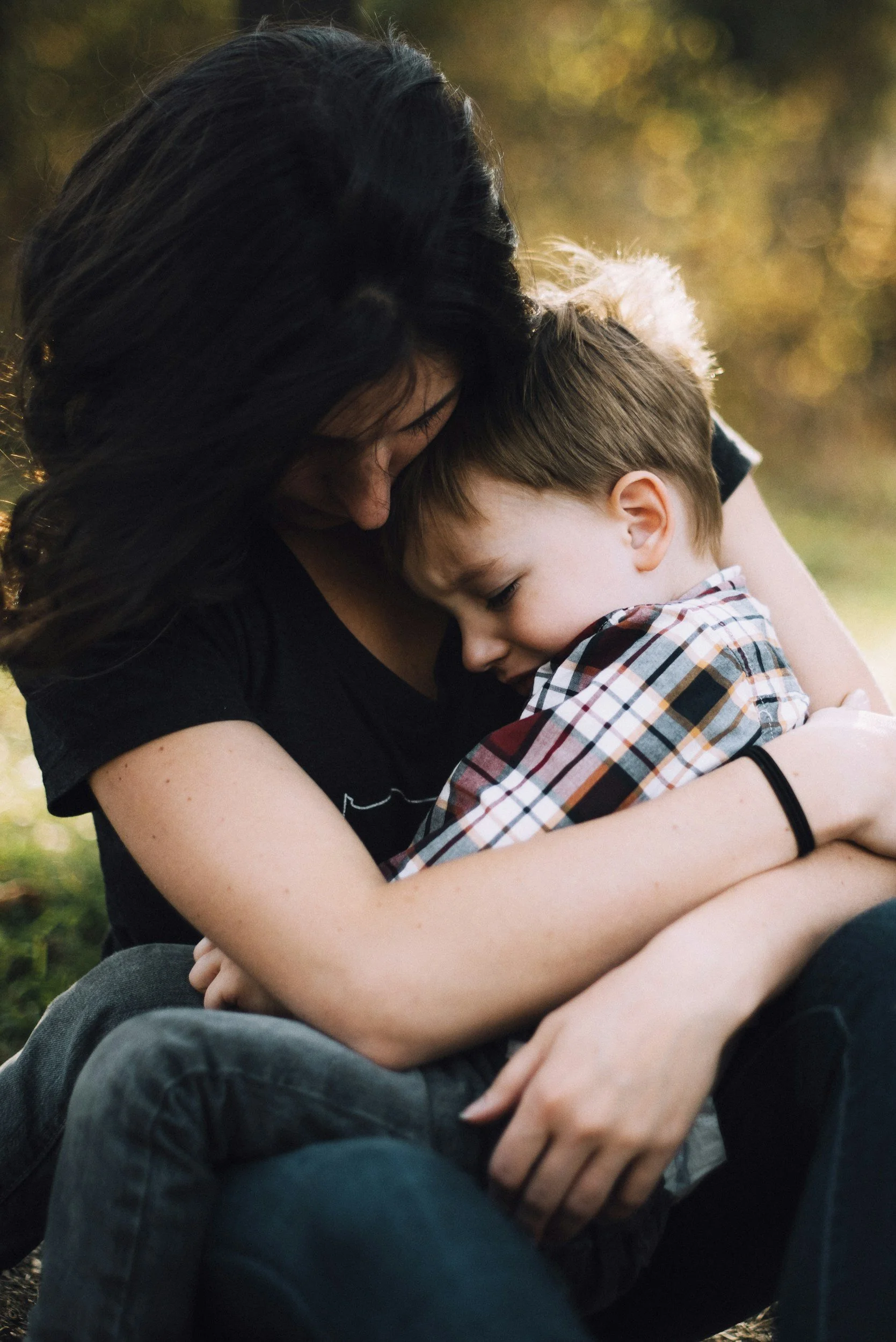
How Children Process Loss and Grief: What Adults Need to Understand
Children process grief differently than adults, and loss may appear through behavior, emotions, physical complaints, withdrawal, or changes in daily functioning. This week’s blog explores how children understand and process grief across development and how adults can support them through difficult experiences.
Children experience loss differently than adults, and their understanding of grief changes as they grow and develop. While adults often recognize grief through sadness or emotional expression, children may process loss in ways that are less direct and sometimes misunderstood. Changes in behavior, increased irritability, difficulty concentrating, regression, physical complaints, withdrawal, or even periods of playfulness shortly after a loss can all be part of how children process grief.
Research in child development and psychology continues to show that children do not process grief in a linear or consistent way. Younger children, in particular, may move in and out of grief quickly. A child may ask difficult questions one moment and then return to playing shortly after. This does not mean the loss did not affect them. Children often process overwhelming emotions in smaller, more manageable pieces over time.
A child’s developmental level also influences how they understand death and loss. Younger children may struggle to fully grasp permanence and may repeatedly ask questions about whether someone is coming back. School-aged children often begin to understand the permanence of death more clearly but may experience increased anxiety, fear, guilt, or confusion surrounding the loss. Adolescents may process grief in ways that appear more similar to adults, though they may still struggle to express emotions openly or seek support consistently.
Research also highlights the importance of emotionally responsive and supportive caregiving during periods of grief. Children benefit from honest, developmentally appropriate conversations, emotional validation, consistency, and opportunities to express feelings safely. In many cases, children are not looking for perfect answers. They are often looking for reassurance, connection, and the sense that their emotions are safe to experience and discuss.
Adults sometimes unintentionally overlook grief in children when emotions are not expressed outwardly. Some children become quieter. Others become more behavioral, emotional, or easily frustrated. Academic difficulties, changes in sleep, social withdrawal, or increased sensitivity can also emerge following significant loss or disruption.
Importantly, grief is not limited only to death. Children can also experience grief following divorce, relocation, family separation, loss of routines, friendship changes, illness, or other major life transitions. Any experience involving significant change, separation, or emotional disruption can impact a child’s sense of stability and security.
One of the most helpful things adults can provide during periods of grief is presence and emotional availability. Children often process difficult experiences through repeated conversations and interactions over time rather than through a single discussion. Feeling supported, listened to, and emotionally safe can help children gradually make sense of experiences that may initially feel confusing or overwhelming.
As Memorial Day approaches, many families may also experience grief connected to the loss of military service members, loved ones, friends, or family members who served. For children in military and veteran-connected families, these conversations and emotions may carry particular meaning. Remembering and honoring loved ones can create opportunities for connection, reflection, and support across generations.
Research consistently reminds us that children are deeply influenced not only by the experiences they go through, but also by how the adults around them help them navigate those experiences over time.
For more insights like this, follow along as we continue exploring child development, emotional well-being, and the power of everyday interactions.