
When Studying Isn’t the Problem: What Different Learners Actually Need
Some students can’t get started. Others can’t stop. When studying isn’t the problem, understanding how a child learns is what changes everything.
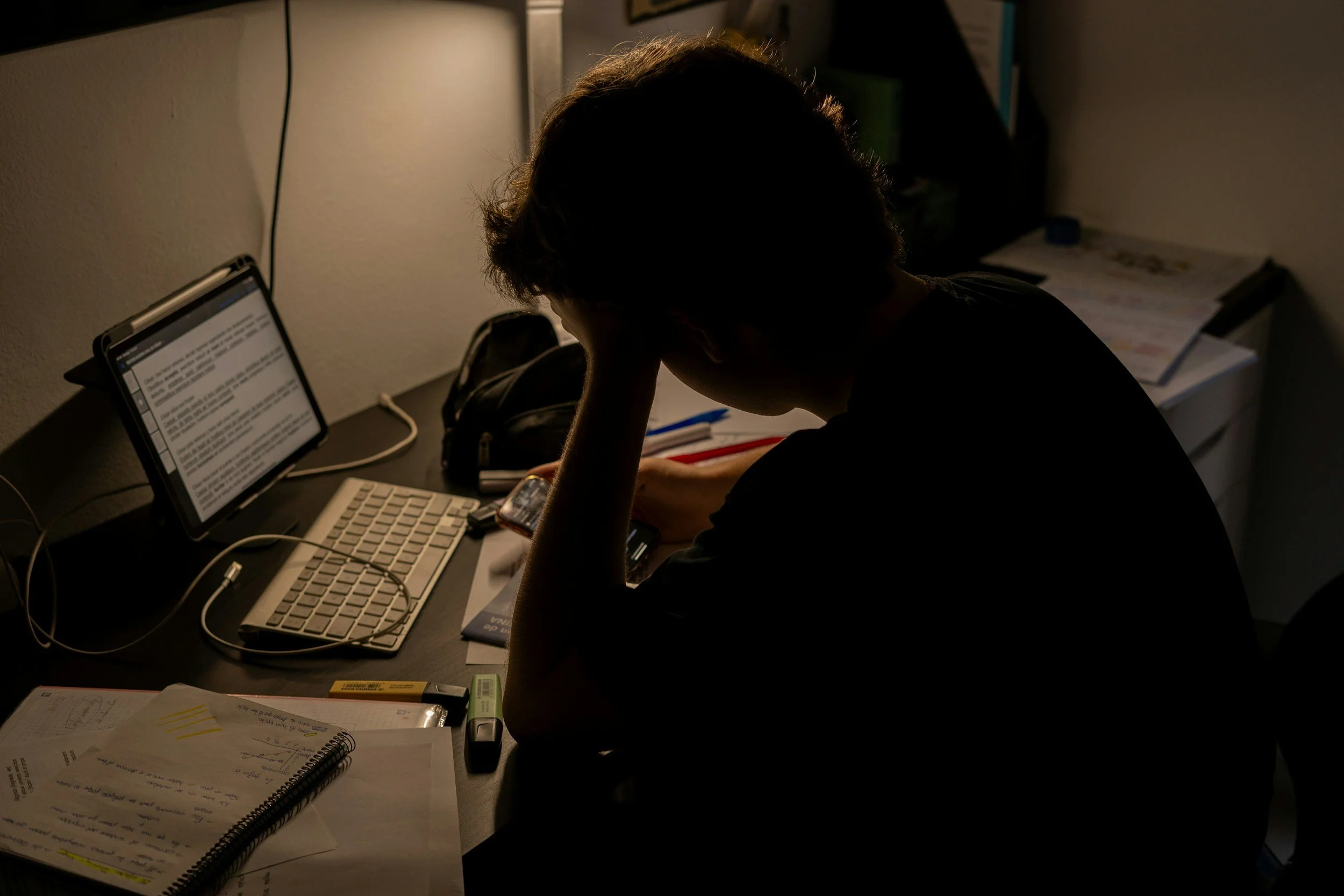
There’s a moment that happens for many parents that doesn’t quite make sense at first. You see your child sitting at the table, books open, time invested, effort clearly there, and yet the results don’t match. In other cases, you may see a child who refuses to step away from their work, who studies longer than necessary, rechecks everything, and still walks away unsure of themselves. At some point, the question shifts from whether they are studying to why it isn’t working, and that is usually where the real conversation begins.
For many students, the issue isn’t effort. It’s that the way they are studying doesn’t actually align with how they learn. Once you begin to see that, it changes how you interpret everything that follows.
Some students struggle to begin. They sit down with good intentions, but the task feels too big, too unclear, or too mentally demanding to enter. What looks like avoidance is often a very specific breakdown in how they plan, organize, or hold information in mind long enough to act on it. They are not refusing the work as much as they are unsure how to approach it. Without a clear entry point, the expectation to simply try harder adds pressure to something that already feels overwhelming.
Other students have the opposite experience. They do not struggle to start, but they have difficulty stepping away. They invest more time than necessary, overanalyze their work, and hold themselves to a standard that continues to shift just out of reach. From the outside, this can look like discipline and strong work ethic, but internally it is often driven by pressure and a need to feel certain that everything is correct before moving on. Studying, in this case, becomes less about learning and more about managing discomfort.
When you step back, a pattern begins to emerge. Both students are putting in effort. Both are engaged in their own way. Yet both are struggling. This is often the point where it becomes clear that effort alone is not the issue. What is really happening is a mismatch between how the student is approaching their work and how they actually process, manage, and respond to demands.
In one case, the difficulty lies in initiating and sustaining effort. In the other, it lies in regulating and containing it. These differences matter because they require completely different approaches. A student who cannot get started benefits from structure that reduces the mental load of beginning. Breaking tasks into smaller, clearly defined steps, providing visual supports, and creating consistent routines can make the work feel more accessible. The goal is not to increase pressure, but to create a system that allows them to enter the task with clarity.
A student who cannot stop, on the other hand, benefits from boundaries. Defining what is expected ahead of time, setting limits on how long to work, and establishing a clear endpoint can help shift the focus from perfection to progress. In these cases, learning to tolerate small imperfections is part of the process, not a failure of it.
What becomes important in both situations is the recognition that study habits are not one-size-fits-all. When strategies are not aligned with how a student learns, more time and more effort often lead to more frustration rather than better results. What appears on the surface as disorganization, lack of focus, or even overcommitment may be connected to underlying factors such as working memory, processing speed, attention, or anxiety.
When those underlying patterns are understood, the conversation changes. Instead of asking why something is not working, the focus shifts to what the student actually needs. That shift allows for more precise support, more effective strategies, and a clearer path forward.
When studying begins to align with how a student learns, it no longer feels like a constant uphill battle. It begins to feel manageable, and in many cases, meaningful.

When a Child Finally Understands How They Learn, Everything Can Change
When children understand how they learn, everything changes. Here’s how a psychoeducational evaluation can uncover strengths and unlock progress.
There is a moment that happens for some children that is hard to put into words, but powerful when you see it. It is the moment they realize, “I’m not the problem. I just learn differently.”
For many students, especially those who have been struggling, school can quietly shape how they see themselves. Repeated difficulty with reading, writing, attention, or keeping up with peers can lead to frustration, avoidance, or even shutting down. Over time, those experiences often turn into internal beliefs. “I’m not smart.” “I’m just bad at this.” “School isn’t for me.”
What is often missing is clarity. Not just about what a child is struggling with, but why.
Research in educational psychology has consistently shown that students who develop accurate self-awareness about their learning profiles tend to demonstrate greater motivation, persistence, and academic engagement. This is closely tied to the concept of self-efficacy, which refers to a student’s belief in their ability to succeed in specific tasks. When students understand their strengths and challenges, their confidence becomes grounded in reality rather than shaped by repeated failure.
There is also growing research around metacognition, or the ability to think about one’s own thinking. Students who are taught to understand how they learn are better able to plan, monitor, and adjust their approach to tasks. This has been linked to improved academic outcomes across multiple domains, particularly in reading comprehension and problem-solving.
The challenge is that many students are expected to develop this awareness on their own, without ever being given a clear explanation of how their brain works.
This is where a focused psychoeducational evaluation can be transformative.
A high-quality evaluation does more than produce scores or determine eligibility. When done well, it creates a detailed picture of how a child processes information, where they excel, and where they may need support. It connects patterns across cognitive functioning, academic skills, attention, and behavior in a way that makes sense to both parents and the child.
More importantly, it gives language to experiences that previously felt confusing. Instead of “I can’t focus,” a child begins to understand how attention works and what supports help. Instead of “I’m bad at reading,” they begin to see the specific skill breakdown and what can be done to improve it. Instead of avoiding work, they begin to approach it with strategies that actually fit how they learn. This shift matters.
Research on strengths-based approaches in education suggests that when students are taught to leverage their strengths while addressing their areas of need, they are more likely to stay engaged and less likely to internalize failure. It changes the narrative from limitation to strategy.
Parents often notice the difference quickly. A child who once resisted school may begin to show more willingness. A child who felt overwhelmed may begin to take small risks again. Not because the work suddenly became easy, but because it finally made sense.
Clarity leads to better support, both at home and in school. It allows for more targeted interventions, more effective accommodations, and more productive conversations with educators. It also helps ensure that expectations are aligned with the child’s actual learning profile, not assumptions.
If you are trying to understand how your child learns, or why certain challenges persist despite effort, taking a deeper look may be the next step.
You can learn more about the evaluation process by clicking here:
When a child understands themselves, it changes how they approach learning. And in many cases, that is where real progress begins.
Want more insights like this? Subscribe for weekly content designed to help you better understand how children learn and how to support them effectively.