

Before We Ask Children to Regulate, We Should Look at Ourselves
Children are still developing the skills needed to manage emotions, frustration, and behavior. Research suggests that sensitive, responsive relationships and adult self-regulation can play an important role in helping children build these skills over time.
We ask a lot of children when it comes to managing themselves. We want them to calm down when they are upset, think before they act, handle disappointment, follow directions, communicate appropriately, and recover when things do not go their way. These skills are important, but children are not born knowing how to do all of them. They develop over time, and the adults around them play an important role in that process.
Recent research on caregiver sensitivity offers a useful reminder of just how important everyday interactions can be. Caregiver sensitivity simply refers to an adult's ability to notice what a child is communicating, understand what they may need, and respond appropriately. A large 2026 review that brought together findings from hundreds of studies found that greater caregiver sensitivity was associated with stronger attachment, language skills, and cognitive development in children.
That may sound simple enough, but anyone who spends significant time with children knows that responding thoughtfully is not always easy. A child refuses to get ready for school. A student shuts down when work becomes difficult. A teenager becomes angry after being told no. The adult may already be tired, stressed, running late, or thinking about several other responsibilities. Suddenly, the child's frustration becomes the adult's frustration too.
This is where another area of research becomes especially important. Our ability as adults to manage our own emotions, thoughts, impulses, and stress influences how we respond to children, particularly during difficult moments. Research on parent self-regulation suggests that when adults have greater difficulty regulating themselves, responding constructively to challenging child behavior can become more difficult as well.
None of this means that parents, teachers, coaches, or other adults need to remain perfectly calm all the time. That is unrealistic. Adults get frustrated, have difficult days, and sometimes respond in ways they later wish they had handled differently. The more important point is that regulation does not happen entirely within the child. It develops through relationships.
Researchers use the term co-regulation to describe the back-and-forth process through which adults and children influence one another and through which adults can help children gradually develop their own ability to regulate. We see this constantly in everyday life. A young child becomes overwhelmed and an adult helps them settle. A frustrated student cannot figure out where to begin an assignment and a teacher helps organize the first few steps. A teenager becomes angry after receiving a consequence and a parent gives them some space before continuing the conversation.
In each case, the adult is not eliminating frustration or solving every problem for the child. They are providing enough support for the child to manage something that may temporarily be beyond what they can handle independently. As children develop, the goal is for them to gradually need less of that support and become increasingly capable of regulating themselves.
The relationship also works in both directions. Children affect the adults around them. A child's frustration can increase an adult's frustration, which can then further increase the child's emotional reaction. Research describes how these patterns can become cycles in which the reactions of the adult and child continue to intensify one another. An adult's ability to recognize what is happening and regulate their own response can help interrupt that cycle.
Being regulated does not mean being permissive. Children still need boundaries, expectations, accountability, and consequences. A parent can say no without escalating an argument. A teacher can maintain an expectation while recognizing that a student is overwhelmed. An adult can be firm while still being responsive to what a child is communicating. Regulation allows us to respond intentionally instead of simply reacting in the moment.
This also gives us a broader way to think about adult wellbeing. Sleep, stress, healthy coping, supportive relationships, and our own ability to manage difficult emotions affect more than how we personally feel. They can influence how we show up in our relationships with children. Supporting the adults who care for and work with children can therefore be an important part of supporting children themselves.
Of course, parenting or adult behavior does not determine everything about a child's development. The research itself cautions against making that conclusion. Children develop through a complicated combination of individual characteristics, relationships, experiences, environments, and many other influences. What these studies do reinforce is something both simple and powerful: relationships matter.
We spend a great deal of time teaching children how to regulate their emotions, solve problems, cope with frustration, and make good decisions. Sometimes helping them develop those abilities begins with the adults around them having the capacity to model and support those same skills.
Unlock Learning. Transform Possibilities.
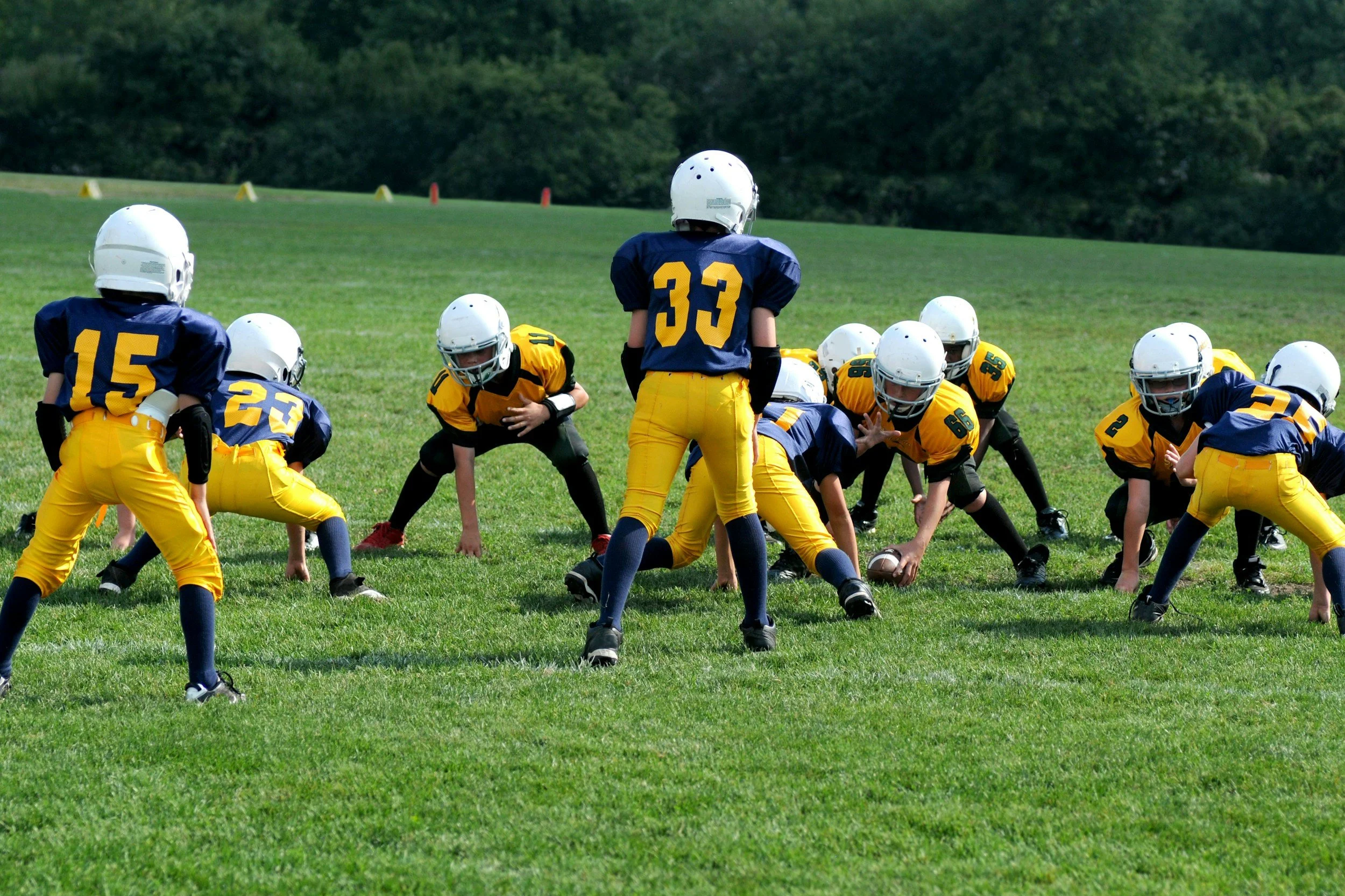
The Hidden Life Lessons Children Learn Through Sports, Martial Arts, and Other Activities
Children often develop some of their most important life skills outside the classroom. Sports, martial arts, music, and other structured activities can help shape discipline, emotional regulation, teamwork, resilience, and confidence in ways that extend far beyond the activity itself.
Children learn far more from experiences than from lectures. Some of the most important life skills are not developed during formal lessons, but through repeated participation in activities that gradually shape how children think, respond, communicate, and relate to others over time.
Sports, martial arts, music, clubs, creative activities, and other structured experiences often teach lessons that extend well beyond the activity itself. A child participating in team sports is not only learning athletic skills. They are learning how to cooperate with others, work toward shared goals, manage disappointment, respond to feedback, and continue contributing even when things do not go perfectly. They begin to understand concepts like accountability, persistence, and the importance of individual effort within a larger group.
Martial arts often provide a different but equally valuable set of experiences. In addition to physical training, many programs emphasize discipline, emotional control, patience, consistency, and respect. Children learn that frustration does not always require an immediate reaction and that growth often comes from repetition, structure, and gradual improvement over time. These experiences can help strengthen emotional regulation, confidence, and self-control in ways that extend into school, relationships, and daily life.
Creative activities such as music, art, theater, or dance also play an important role in development. These experiences often encourage self-expression, frustration tolerance, sustained attention, flexibility, and confidence. Children learn how to practice through difficulty, accept imperfection, and continue developing a skill even when immediate success does not occur.
Research in child development continues to support the idea that structured extracurricular activities can positively influence social development, emotional regulation, self-esteem, persistence, and overall well-being. Many of these environments provide opportunities for children to experience manageable challenges while also receiving support, encouragement, and constructive feedback from adults and peers.
At the same time, the activity itself is only part of the equation. The way parents respond to and reinforce these experiences at home also matters greatly. Children often absorb life lessons more effectively when adults help them reflect on the process rather than focusing only on outcomes.
For example, after a game, practice, recital, or competition, conversations centered around effort, teamwork, resilience, sportsmanship, preparation, emotional control, or personal growth are often more beneficial than conversations focused entirely on winning or performance. Helping children process setbacks, tolerate frustration, and recognize gradual improvement teaches them that success is not simply about results, but also about growth and persistence.
Parents also model many of these same lessons through everyday interactions. Children observe how adults handle stress, disappointment, conflict, patience, and responsibility. In many ways, the lessons children learn through activities become stronger when they are reinforced consistently within the home environment.
Not every child will connect with the same activity, and not every lesson develops at the same pace. What matters most is often consistent exposure to experiences that encourage growth, responsibility, emotional development, cooperation, and perseverance over time.
Many of the most important life lessons children develop are not taught through direct instruction alone. They are developed gradually through relationships, repetition, challenge, encouragement, and experience.
For more insights like this, follow along as we continue exploring child development, learning, and the power of everyday interactions.

What is Developmentally Appropriate? A Parent’s Guide to Behavior and Social Emotional Growth
Not every behavior is a red flag. Here is a practical guide to what is typical at different stages of development and when to be concerned.
One of the most common questions parents ask is whether a behavior is normal or something to be concerned about. A child who has frequent tantrums, struggles to share, avoids school, or seems overly emotional can leave parents wondering if this is part of development or a sign of something more.
The answer is not always found in the behavior itself, but in the context of development. Children grow rapidly across emotional, social, and cognitive domains, and what is expected at one age may be a concern at another. Understanding these patterns helps parents respond with clarity rather than fear.
In the early childhood years, emotional regulation is still developing. Young children often experience big feelings without the skills to manage them. Tantrums, difficulty waiting, and challenges with transitions are common. At this stage, children are learning how to identify feelings, tolerate frustration, and rely on adults to help them regulate. A child who becomes upset when told no or struggles to share attention is not demonstrating defiance. They are practicing skills that are still emerging.
As children move into the elementary years, expectations begin to shift. There is greater emphasis on independence, peer relationships, and sustained attention. Children are expected to follow multi step directions, manage classroom routines, and navigate social interactions with less adult support. It is still common to see difficulties with frustration, occasional emotional outbursts, or challenges with friendships. However, children at this stage are also beginning to develop coping strategies, problem solving skills, and a clearer understanding of social expectations.
During the later elementary and middle school years, social awareness becomes more complex. Peer relationships take on greater importance, and children become more sensitive to how they are perceived by others. Emotional experiences may feel more intense, and there may be fluctuations in confidence, mood, and motivation. At the same time, students are expected to manage increasing academic demands and organize their responsibilities more independently. Struggles with organization, avoidance of challenging tasks, and social concerns are common during this stage.
In adolescence, development continues to evolve. Teens are working toward identity formation, independence, and a deeper understanding of themselves and the world around them. Emotional intensity can increase, and there may be periods of withdrawal, irritability, or questioning of authority. Peer influence is strong, and decision making is still developing. While these patterns can feel concerning, many are part of the developmental process as adolescents learn to navigate autonomy and responsibility.
The key question is not whether a behavior exists, but whether it aligns with what is expected for that stage and whether the child is progressing over time. Development is not linear, and children do not master skills overnight. It is normal to see variability, setbacks, and uneven growth across different areas.
At the same time, there are patterns that warrant a closer look. When behaviors are significantly more intense than peers, persist longer than expected, or interfere with daily functioning, it may indicate that additional support is needed. A child who is unable to recover from emotional distress, consistently struggles to engage socially, or avoids school or tasks to a degree that impacts learning may be experiencing more than typical developmental challenges.
Another important factor is how the child responds to support. Most children, even when struggling, show improvement with guidance, structure, and consistency. When a child does not respond to these supports or continues to experience the same level of difficulty over time, it can be helpful to gather more information to better understand what is contributing to those challenges.
Parents do not need to have all the answers, but they benefit from having a clear understanding of what they are seeing. When there is uncertainty about whether a behavior is developmentally appropriate or something more, gaining clarity can help guide next steps with confidence. If you find yourself questioning what is typical versus concerning, you can explore what a more comprehensive understanding of your child’s development might look like here.
Supporting children through development requires both patience and intention. It involves recognizing what is expected, responding with empathy, and gradually building the skills children need to manage themselves more independently over time.
At the same time, it is important to trust your instincts. Parents are often the first to notice when something feels different or more intense than expected. Seeking clarity is not overreacting. It is a proactive step toward understanding your child and supporting them in the most effective way possible.
When we understand development, we respond differently. And when we respond differently, children have a greater opportunity to grow, adapt, and succeed.

Every Interaction Matters: How Adult Responses Shape a Child’s Learning and Emotional Growth
How adults respond to academic and behavioral challenges shapes a child’s confidence, resilience, and long-term growth. Learn why intentional interactions matter.
In education and parenting alike, we often focus on outcomes. Grades, behavior, test scores, compliance. Yet beneath every outcome is something more foundational: interaction. The daily exchanges between adults and children shape how young people understand themselves, their abilities, and their place in the world.
When a child struggles academically or behaviorally, the response they receive can either reinforce discouragement or cultivate resilience. A frustrated comment may deepen self-doubt. A patient explanation may build confidence. Over time, these moments accumulate. They influence motivation, emotional regulation, and a child’s willingness to take academic risks.
In my work as a licensed (Florida) and nationally certified school psychologist serving families in Palm Beach County and the Treasure Coast, I often see how misunderstood learning differences or attention challenges can alter a child’s trajectory. When effort is misinterpreted as laziness, or anxiety is mistaken for defiance, children may internalize narratives that do not reflect their true abilities. Conversely, when concerns are approached with curiosity and structure, children gain clarity and a sense of direction.
A comprehensive evaluation is not simply about identifying strengths and weaknesses. It is about understanding how a child learns, processes, and experiences their environment. That understanding allows parents, teachers, and other adults to adjust interactions in ways that foster growth rather than frustration.
Every interaction communicates a message. It can signal capability or inadequacy. Safety or uncertainty. Possibility or limitation. When adults respond thoughtfully and consistently, children are more likely to develop resilience, confidence, and long-term academic engagement.
This perspective forms the foundation of my work and is explored more deeply in my book, Every Interaction Matters: Rethinking How Adults Shape the Lives of Children. Whether in the classroom, at home, or during the evaluation process, intentional adult responses can meaningfully shape a child’s developmental path.
When concerns arise, seeking clarity is not about labeling. It is about creating an environment where interactions support understanding, growth, and opportunity.
Free Parent Guide for Parents
If your child seems. to be working very hard in school but still struggling to make progress, it may help to better understand how they learn.
Download the free guide: 5 Signs Your Child May Benefit From a Learning Evalutation