
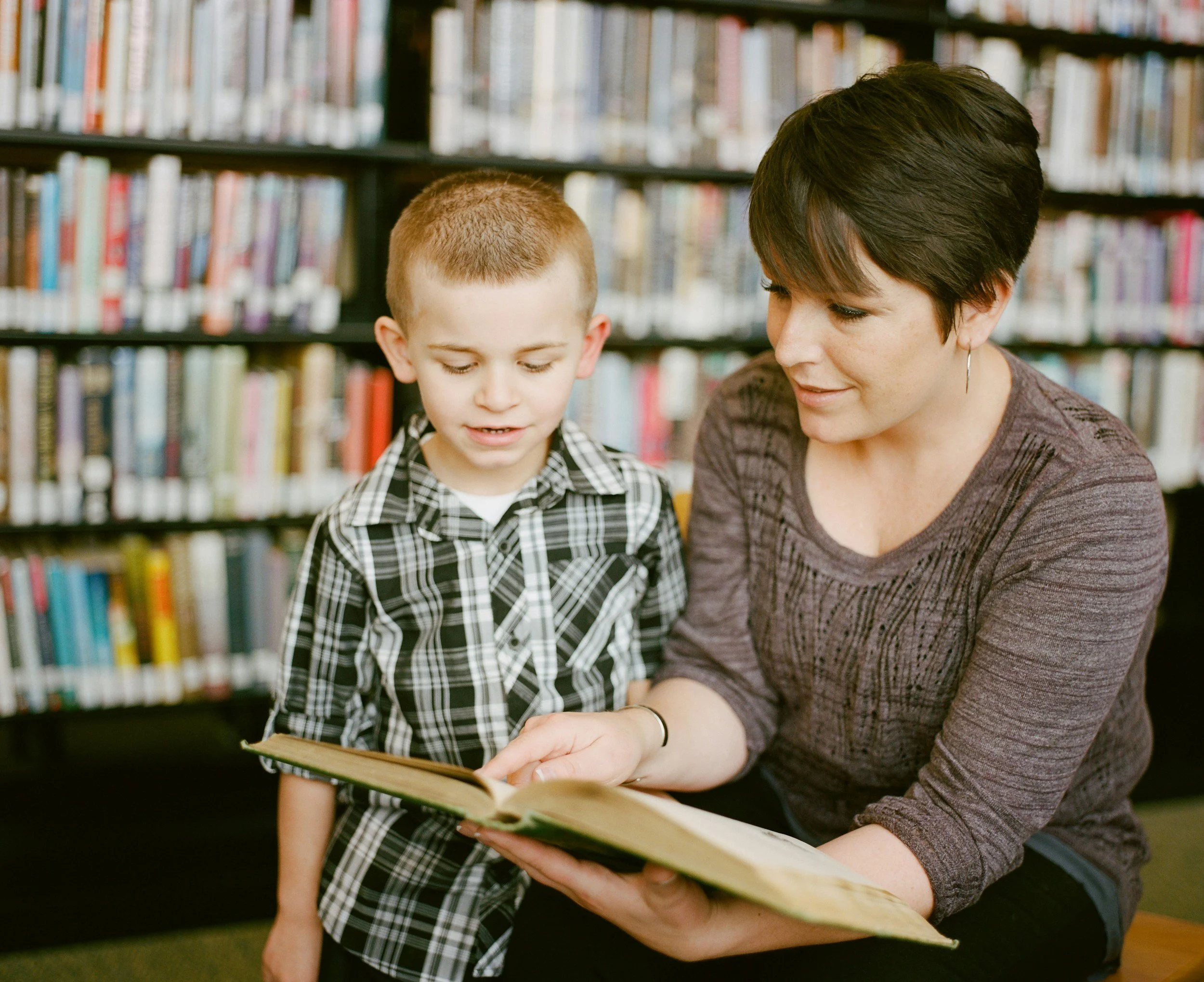
Not All Dyslexia Looks the Same: Understanding Different Reading Profiles
Not all children with dyslexia experience the same reading difficulties. Some struggle to connect letters and sounds, others have difficulty recognizing familiar words automatically, and many experience challenges in both areas. Drawing on my experience as a licensed school psychologist, I explore different reading profiles and explain why understanding a child's individual strengths and weaknesses is essential to providing meaningful support.
As a school psychologist, I frequently evaluate children who experience difficulty with reading. Through my years of experience and evidence-based practice, I have come to recognize that two students can struggle with the same reading assignment for very different reasons. One may have difficulty connecting letters to their corresponding sounds and decoding unfamiliar words, while another may successfully sound out words but struggle to recognize familiar words automatically. A third may experience difficulties in both areas. Although their reading performance may look similar on the surface, understanding the underlying processes is essential to determining how best to support them.
For parents, the first indication that something may be wrong often comes during homework or reading time. A child may hesitate over familiar words, guess at unfamiliar ones, read slowly, or become frustrated when asked to read aloud. Some children demonstrate strong listening comprehension and can discuss a story in detail when someone reads it to them, yet struggle to read that same story independently. Others may appear to read adequately during the early elementary years, only to experience greater difficulty as reading demands increase. These observations provide valuable information, but they do not necessarily tell us why a child is struggling. To better understand these differences, we need to look at the processes involved in learning to read and how those skills develop over time.
Dyslexia is a learning disability that affects the development of accurate and efficient word reading and/or spelling. Although difficulties with phonological processing are common among individuals with dyslexia, they are not universal, and the specific pattern of reading difficulties can vary considerably from one child to another. The International Dyslexia Association's updated definition recognizes this variability, emphasizing that dyslexia can involve different underlying processes and degrees of difficulty. Understanding this distinction is important because a diagnosis of dyslexia does not mean that every child experiences reading in the same way.
When children learn to read, they gradually develop the ability to recognize letters, connect those letters to speech sounds, combine sounds to decode words, and recognize familiar written words with increasing accuracy and automaticity. As these skills become more efficient, children can devote more of their attention to understanding what they read rather than concentrating primarily on identifying individual words. For children with dyslexia, difficulties in one or more of these processes can interfere with that progression. Researchers have described several patterns of reading difficulty, including phonological, surface, and mixed profiles. Although these terms can help explain differences in reading performance, they are descriptive classifications rather than separate, universally accepted clinical diagnoses. A child's reading profile may also change as their skills develop and they receive instruction.
One pattern commonly discussed in the literature is phonological dyslexia, sometimes referred to as dysphonetic dyslexia. Children with this profile experience particular difficulty using their knowledge of letters and sounds to decode unfamiliar words. For example, a child may recognize a word they have encountered many times but struggle when presented with a new word that requires them to identify and blend its individual sounds. Rather than carefully decoding the entire word, they may rely on its first letter, overall appearance, or surrounding context to make a guess. Parents may notice that their child can read certain familiar words but becomes frustrated when encountering new vocabulary. Spelling may also be difficult because writing an unfamiliar word requires the child to identify the sounds within it and connect those sounds to appropriate letters or letter combinations.
From an evaluation standpoint, this pattern may become apparent when examining a child's phonological awareness, knowledge of letter-sound relationships, ability to decode unfamiliar words, and spelling. Phonological awareness refers to the ability to recognize and manipulate the sounds within spoken language. For example, a child may be asked to identify individual sounds in a word, blend sounds together, or determine what remains when a particular sound is removed. A child may demonstrate stronger skills in some of these areas while experiencing greater difficulty in others. Understanding the specific pattern helps identify which foundational reading skills may need additional instruction. For children who struggle with phonological decoding, explicit and systematic instruction in speech sounds, letter-sound relationships, and spelling patterns can help them develop more reliable strategies for reading unfamiliar words rather than depending primarily on guessing or memorization.
Another reading profile described in the research is surface dyslexia. Children with this pattern may demonstrate relatively stronger phonological decoding skills but experience difficulty developing accurate and efficient recognition of familiar written words, particularly words that do not follow common spelling-to-sound patterns. For example, a child may attempt to read the word said by applying a more common pronunciation to its letters rather than recognizing the word's established pronunciation. They may be able to sound out many unfamiliar words but continue to read familiar words slowly or inconsistently. This can be confusing for parents because the child may appear to understand how phonics works, yet reading continues to require considerable effort.
One process involved in skilled reading is the development of orthographic knowledge, which includes learning how letters and letter combinations are organized within written words. As children become more proficient readers, they develop increasingly accurate connections among a word's spelling, pronunciation, and meaning. These connections allow familiar words to be recognized efficiently without having to consciously sound out every letter each time. A child with a surface-type reading profile may have difficulty developing this level of automatic word recognition, and spelling may also be affected. For example, the child may produce a spelling that accurately represents the sounds in a word but does not reflect its conventional written form. Importantly, these difficulties do not necessarily mean that the child simply needs to memorize more words by sight. Efficient word recognition develops through repeated opportunities to connect written words with their pronunciations and meanings.
When evaluating a student who demonstrates this pattern, I consider how accurately and efficiently they read familiar words, unfamiliar words, and words with less predictable spelling patterns. I also examine spelling and other relevant reading skills to better understand where the difficulty occurs. Research supports the existence of surface-like reading profiles, but the underlying reasons for these difficulties can vary. As a result, surface dyslexia is most appropriately understood as a description of reading performance rather than proof of one specific cognitive deficit. This distinction is important when considering intervention because children with similar reading behaviors may still have different instructional needs.
Some children experience significant difficulties with both phonological decoding and efficient recognition of familiar written words. This is often described as a mixed reading profile. A child may struggle to sound out an unfamiliar word during a reading assignment and then have difficulty recognizing that same word when it appears again several sentences later. Their reading may be slow, effortful, and inconsistent, and spelling difficulties may be particularly noticeable. When identifying individual words requires so much attention, the child may have fewer cognitive resources available to understand the overall meaning of what they are reading. Consequently, some students demonstrate much stronger comprehension when listening to a story than when reading that same material independently.
This difference between listening comprehension and reading comprehension can provide important information about a child's learning profile. A student may understand complex vocabulary, make thoughtful connections, and discuss sophisticated ideas when information is presented orally, yet struggle to demonstrate those same abilities when required to read independently. The difficulty may not be with understanding the information itself but with accessing it through written language. Research has found that mixed reading profiles are common among children with developmental dyslexia, although students with similar patterns of reading difficulty may demonstrate different underlying cognitive strengths and weaknesses. For this reason, intervention should address the specific skills that are affected rather than relying solely on the subtype label.
One of the most important lessons my evaluation work has reinforced is that a child's reading performance tells us what they are doing, but it does not always explain why they are having difficulty. A student who guesses at words may have weak decoding skills, while another may have developed that habit after years of frustration with reading. A child who reads slowly may struggle to recognize familiar words automatically, while another may be carefully applying newly learned decoding strategies. These distinctions matter because children can demonstrate similar behaviors for different reasons, and the most appropriate support depends on understanding what is contributing to the difficulty.
During a comprehensive psychoeducational evaluation, I consider how a child's reading skills have developed across several areas, including phonological processing, decoding, word recognition, spelling, reading fluency, and reading comprehension. I also consider relevant aspects of language development, cognitive processing, educational history, and instructional experience. Equally important is understanding the child's strengths. A student may demonstrate strong verbal reasoning, listening comprehension, vocabulary, or background knowledge despite experiencing significant difficulty with word reading. Recognizing these abilities helps us understand what the child knows and can do independently of the reading difficulty, while also identifying strengths that may support their learning.
I also consider how reading difficulties affect the child's everyday functioning. A student may be able to read a short passage accurately during an individual assessment but struggle to complete lengthy classroom assignments within the expected time. Another may avoid reading aloud, become frustrated during homework, or begin to question their academic abilities because reading requires considerably more effort than it does for their peers. These experiences are important because the impact of dyslexia extends beyond individual test scores. Understanding how reading difficulties affect a child's academic performance, confidence, and participation helps parents and educators make more informed decisions about instruction, intervention, and accommodations.
Another important consideration is that reading difficulties may become more noticeable or change in appearance as children progress through school. During the early elementary years, difficulties may emerge as children learn letter-sound relationships, begin decoding words, and develop basic spelling skills. By the upper elementary grades, some children have developed enough compensatory strategies to read familiar material with reasonable accuracy, but they may continue to struggle with unfamiliar vocabulary, reading fluency, or spelling. As students enter middle and high school, academic demands become increasingly complex, requiring them to read longer passages, learn specialized vocabulary, complete assignments independently, and extract information from increasingly sophisticated texts.
A teenager with dyslexia may no longer demonstrate the same obvious word-reading errors that were present in elementary school. Instead, difficulties may become more apparent through slow reading, reduced reading stamina, spelling weaknesses, avoidance of lengthy assignments, or the amount of time required to complete academic work. Some students become quite skilled at compensating for their reading difficulties, making those challenges less noticeable to others. This is why I encourage families and educators to consider a child's developmental and educational history rather than relying solely on how their reading looks at one particular moment. Dyslexia can continue to affect reading and spelling throughout adolescence and adulthood, even as individuals develop strategies that allow them to function successfully in many areas.
When parents learn that their child has dyslexia, they often want to know what the diagnosis means for their child's future and what they can do to help. Those are important questions, and I believe the answers begin with understanding the individual child. A diagnosis can help explain why reading has been difficult, but it does not tell us everything about how a child learns. Two students with dyslexia may have different reading profiles, different strengths, different instructional histories, and different responses to intervention. The terms dysphonetic, surface, and mixed can help describe some of those differences, but they should not become rigid categories that define a child's abilities or determine their educational opportunities. In clinical diagnostic terminology, dyslexia is generally considered within the framework of specific learning disorder with impairment in reading, while these reading profiles are descriptive classifications rather than separate DSM-5-TR diagnoses.
I also want parents to understand that reading difficulties do not define a child's intelligence, creativity, curiosity, or potential. A child who struggles to decode a paragraph may have a remarkable understanding of the ideas within it when those ideas are presented in a more accessible format. Recognizing that difference allows us to support the development of reading skills while continuing to nurture the child's broader academic and personal growth. Ultimately, understanding dyslexia requires us to look beyond whether a child can read a particular word or complete a particular assignment. We need to understand how they approach reading, where the process becomes difficult, and what helps them make progress. A diagnosis helps us recognize the difficulty, but understanding the individual reading profile helps us determine what to do next.
If you have concerns about your child's reading development, a comprehensive psychoeducational evaluation can help identify their individual strengths, areas of difficulty, and educational needs. At Unlock Learning Palm Beach, we work with families to better understand how their children learn and provide information that can help guide meaningful support at home and in school.

Your Child's Brain Is Built to Change: Understanding Neuroplasticity
Neuroplasticity is the brain's remarkable ability to change throughout life. Discover how learning, relationships, and early intervention help shape children's developing brains and why understanding this process can change how we think about growth and learning.
One of the greatest misconceptions about learning is the belief that children are simply born with certain abilities and that those abilities remain relatively fixed over time. When a child struggles with reading, organization, attention, or mathematics year after year, it can begin to feel as though those challenges are permanent. Parents may wonder whether their child will ever catch up, and children themselves may begin to believe they simply are not good at school.
Fortunately, decades of neuroscience research tell a much different story.
One of the most significant discoveries in modern neuroscience is the concept of neuroplasticity, the brain's remarkable ability to change, adapt, and reorganize itself throughout life. Every time a child learns a new skill, practices a strategy, solves a problem, or experiences something meaningful, networks of neurons communicate with one another. Repeated experiences strengthen these neural connections, making the brain more efficient at performing those skills in the future. Rather than being fixed, the developing brain is continually shaped by learning, experience, relationships, and the environment.
While neuroplasticity exists throughout the lifespan, childhood represents one of the most dynamic periods of brain development. During these years, the brain is especially responsive to new experiences, making them an important time for acquiring academic skills, developing emotional regulation, strengthening executive functioning, and building healthy habits that support lifelong learning.
This does not mean that every challenge disappears with enough practice, nor does it suggest that children simply need to work harder. Learning differences, ADHD, developmental disorders, and other conditions are real and deserve thoughtful, evidence-based support. What neuroplasticity does tell us is that the brain has an extraordinary capacity to improve when children receive the right instruction, interventions, and opportunities to practice meaningful skills over time.
Research has consistently demonstrated that evidence-based instruction and targeted intervention can produce measurable improvements in learning and even changes in how the brain processes information. Children with reading difficulties, for example, have shown changes in brain activation following structured literacy interventions. Similar findings have been reported in areas such as language development, attention, executive functioning, and mathematics. These discoveries have fundamentally changed how educators and psychologists think about learning and intervention.
Relationships also play an important role in brain development. Supportive interactions with parents, teachers, and other trusted adults help create environments where children feel emotionally safe enough to learn. Research suggests that chronic stress can interfere with attention, memory, and learning by affecting the brain's stress response systems. Conversely, consistent encouragement, emotional support, and positive relationships help children regulate emotions and engage more effectively in learning experiences.
One of the most encouraging aspects of neuroplasticity is that meaningful growth is often gradual. Parents sometimes hope for dramatic improvements, but the brain typically changes through repeated experiences over time. A child who independently reads one more page than they could last month, remembers to organize their backpack more consistently, or approaches challenging work with greater confidence is demonstrating meaningful progress. These small improvements often reflect important changes occurring beneath the surface as new neural pathways become stronger and more efficient.
At the same time, neuroplasticity is not a reason to delay support. While the brain remains capable of learning throughout life, early identification allows children to receive interventions during one of the most responsive periods of development. Understanding why a child is struggling allows families and educators to provide targeted supports rather than relying on trial and error.
This is one reason comprehensive psychoeducational evaluations can be so valuable. By identifying a child's cognitive strengths, learning profile, academic skills, attention, executive functioning, and social-emotional functioning, an evaluation provides a clearer understanding of how that child learns best. Rather than focusing solely on areas of difficulty, the goal is to identify strengths that can be leveraged while developing interventions that address specific areas of need. When instruction is aligned with a child's learning profile, the brain is given greater opportunities to build the connections that support growth.
Perhaps the most hopeful message neuroplasticity offers is that children should never be defined by where they are today. Development is an ongoing process, and the brain is continually adapting to the experiences it encounters. With evidence-based instruction, supportive relationships, meaningful practice, and appropriate intervention when needed, children can continue developing skills that once seemed out of reach.
Understanding neuroplasticity reminds us that growth is rarely about changing who a child is. It is about creating the conditions that allow them to become the most capable version of themselves.

The Summer Slide: What Parents Can Do to Help Children Stay on Track
Summer break is important for rest and growth, but research shows that some children can lose academic skills during extended time away from school. Learn practical, evidence-based ways to keep children engaged in learning while still enjoying their summer.
As the school year comes to an end, many children look forward to a well-earned break from homework, tests, and daily academic demands. Summer provides valuable opportunities for rest, family time, travel, outdoor activities, and experiences that support social and emotional development. However, research has consistently shown that extended periods away from academic engagement can result in a decline in certain skills, particularly in reading and mathematics. This phenomenon is commonly referred to as the “summer slide.”
The summer slide does not affect every child equally. Research suggests that students who are already struggling academically may experience greater skill loss during the summer months, while students who regularly engage in reading, learning activities, and enriching experiences often maintain or even improve their skills. The encouraging news is that preventing significant regression does not require turning summer into school.
One of the most effective strategies supported by research is simply encouraging regular reading. Children who read consistently throughout the summer tend to maintain stronger literacy skills than those who do not. Importantly, the reading material does not need to look like traditional schoolwork. Novels, graphic novels, magazines, biographies, informational texts, and books related to a child’s interests can all contribute to literacy development. Choice often increases engagement, which increases the likelihood that children will continue reading independently.
Mathematics can also be reinforced through everyday experiences. Cooking, shopping, budgeting, measuring, travel planning, and even certain board games naturally incorporate mathematical thinking. These activities help children apply skills in meaningful contexts while reducing the pressure often associated with formal academic practice.
Research also highlights the importance of maintaining opportunities for children to think, problem-solve, and engage in meaningful conversations. Visits to museums, libraries, parks, historical sites, community events, and cultural activities expose children to new ideas and vocabulary while encouraging curiosity and critical thinking. These experiences support learning in ways that may not immediately resemble traditional academics but contribute significantly to development.
At the same time, summer can provide valuable information about a child’s learning profile. Without the structure and support of the classroom, some children continue to read, write, and learn with relative ease. Others may demonstrate persistent struggles that become more noticeable when parents have an opportunity to observe them more closely. Difficulty reading independently, avoiding academic tasks, becoming unusually frustrated during learning activities, or showing significant challenges with attention, organization, memory, or executive functioning may warrant a closer look.
While occasional frustration is a normal part of learning, consistent patterns that interfere with a child’s ability to engage successfully may indicate that additional support is needed. In these situations, summer can be an ideal time to gather information and better understand how a child learns.
A comprehensive psychoeducational evaluation can help identify underlying factors that may be contributing to academic, behavioral, emotional, or attentional difficulties. Rather than focusing solely on what a child is struggling with, a quality evaluation helps uncover why the struggle is occurring by examining cognitive processing, academic skills, attention, executive functioning, and other factors that influence learning. This information can help families make informed decisions and enter the new school year with greater clarity and confidence.
Ultimately, the goal of summer is not to replicate the school year. It is to create opportunities for children to rest, grow, explore, and continue learning in meaningful ways. Small, consistent experiences often have a greater impact than intensive academic programs that are difficult to sustain.
When children remain engaged, curious, and connected to learning throughout the summer, they are often better prepared to return to school ready to build upon the progress they made during the previous year.
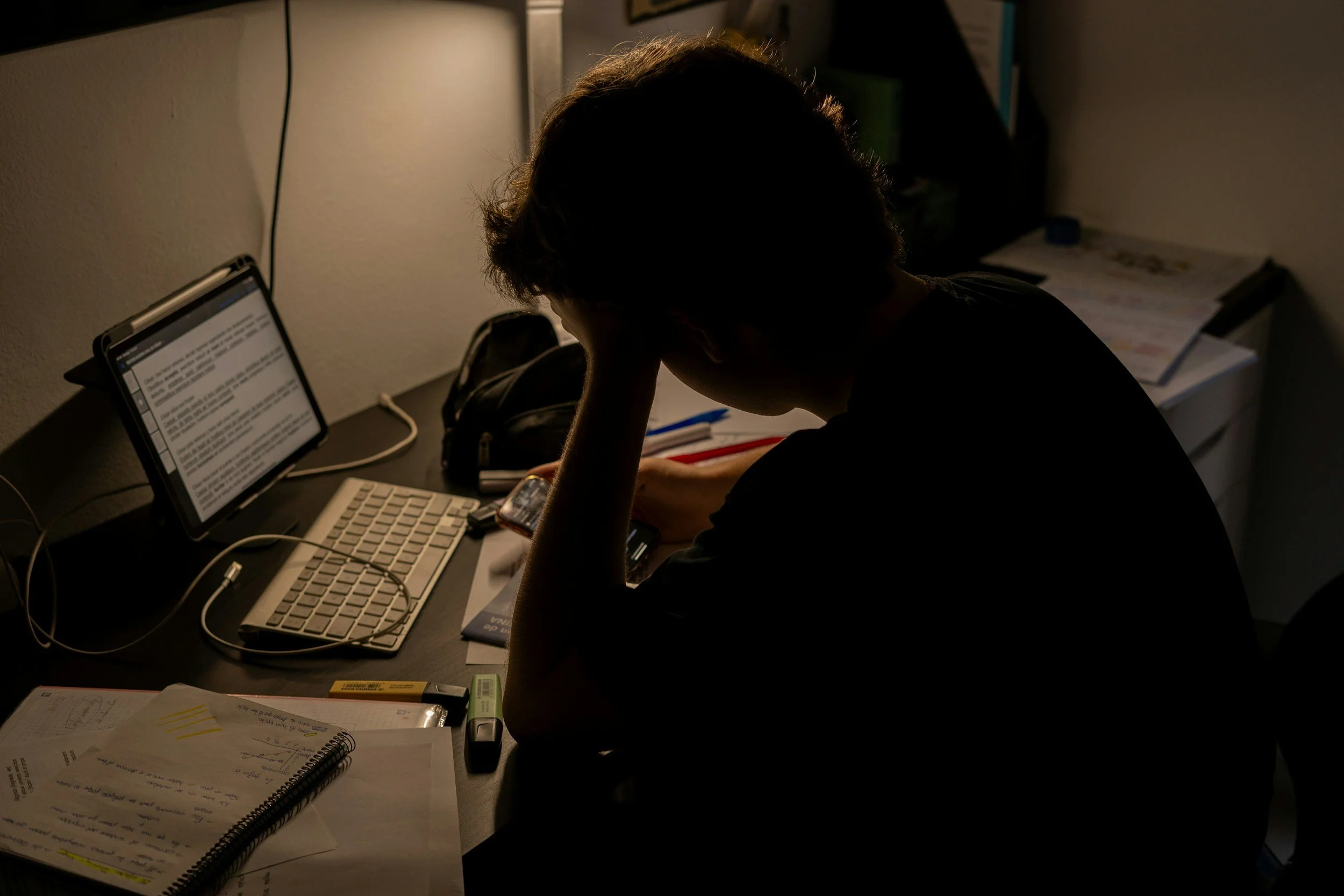
When Studying Isn’t the Problem: What Different Learners Actually Need
Some students can’t get started. Others can’t stop. When studying isn’t the problem, understanding how a child learns is what changes everything.
There’s a moment that happens for many parents that doesn’t quite make sense at first. You see your child sitting at the table, books open, time invested, effort clearly there, and yet the results don’t match. In other cases, you may see a child who refuses to step away from their work, who studies longer than necessary, rechecks everything, and still walks away unsure of themselves. At some point, the question shifts from whether they are studying to why it isn’t working, and that is usually where the real conversation begins.
For many students, the issue isn’t effort. It’s that the way they are studying doesn’t actually align with how they learn. Once you begin to see that, it changes how you interpret everything that follows.
Some students struggle to begin. They sit down with good intentions, but the task feels too big, too unclear, or too mentally demanding to enter. What looks like avoidance is often a very specific breakdown in how they plan, organize, or hold information in mind long enough to act on it. They are not refusing the work as much as they are unsure how to approach it. Without a clear entry point, the expectation to simply try harder adds pressure to something that already feels overwhelming.
Other students have the opposite experience. They do not struggle to start, but they have difficulty stepping away. They invest more time than necessary, overanalyze their work, and hold themselves to a standard that continues to shift just out of reach. From the outside, this can look like discipline and strong work ethic, but internally it is often driven by pressure and a need to feel certain that everything is correct before moving on. Studying, in this case, becomes less about learning and more about managing discomfort.
When you step back, a pattern begins to emerge. Both students are putting in effort. Both are engaged in their own way. Yet both are struggling. This is often the point where it becomes clear that effort alone is not the issue. What is really happening is a mismatch between how the student is approaching their work and how they actually process, manage, and respond to demands.
In one case, the difficulty lies in initiating and sustaining effort. In the other, it lies in regulating and containing it. These differences matter because they require completely different approaches. A student who cannot get started benefits from structure that reduces the mental load of beginning. Breaking tasks into smaller, clearly defined steps, providing visual supports, and creating consistent routines can make the work feel more accessible. The goal is not to increase pressure, but to create a system that allows them to enter the task with clarity.
A student who cannot stop, on the other hand, benefits from boundaries. Defining what is expected ahead of time, setting limits on how long to work, and establishing a clear endpoint can help shift the focus from perfection to progress. In these cases, learning to tolerate small imperfections is part of the process, not a failure of it.
What becomes important in both situations is the recognition that study habits are not one-size-fits-all. When strategies are not aligned with how a student learns, more time and more effort often lead to more frustration rather than better results. What appears on the surface as disorganization, lack of focus, or even overcommitment may be connected to underlying factors such as working memory, processing speed, attention, or anxiety.
When those underlying patterns are understood, the conversation changes. Instead of asking why something is not working, the focus shifts to what the student actually needs. That shift allows for more precise support, more effective strategies, and a clearer path forward.
When studying begins to align with how a student learns, it no longer feels like a constant uphill battle. It begins to feel manageable, and in many cases, meaningful.

When a Child Finally Understands How They Learn, Everything Can Change
When children understand how they learn, everything changes. Here’s how a psychoeducational evaluation can uncover strengths and unlock progress.
There is a moment that happens for some children that is hard to put into words, but powerful when you see it. It is the moment they realize, “I’m not the problem. I just learn differently.”
For many students, especially those who have been struggling, school can quietly shape how they see themselves. Repeated difficulty with reading, writing, attention, or keeping up with peers can lead to frustration, avoidance, or even shutting down. Over time, those experiences often turn into internal beliefs. “I’m not smart.” “I’m just bad at this.” “School isn’t for me.”
What is often missing is clarity. Not just about what a child is struggling with, but why.
Research in educational psychology has consistently shown that students who develop accurate self-awareness about their learning profiles tend to demonstrate greater motivation, persistence, and academic engagement. This is closely tied to the concept of self-efficacy, which refers to a student’s belief in their ability to succeed in specific tasks. When students understand their strengths and challenges, their confidence becomes grounded in reality rather than shaped by repeated failure.
There is also growing research around metacognition, or the ability to think about one’s own thinking. Students who are taught to understand how they learn are better able to plan, monitor, and adjust their approach to tasks. This has been linked to improved academic outcomes across multiple domains, particularly in reading comprehension and problem-solving.
The challenge is that many students are expected to develop this awareness on their own, without ever being given a clear explanation of how their brain works.
This is where a focused psychoeducational evaluation can be transformative.
A high-quality evaluation does more than produce scores or determine eligibility. When done well, it creates a detailed picture of how a child processes information, where they excel, and where they may need support. It connects patterns across cognitive functioning, academic skills, attention, and behavior in a way that makes sense to both parents and the child.
More importantly, it gives language to experiences that previously felt confusing. Instead of “I can’t focus,” a child begins to understand how attention works and what supports help. Instead of “I’m bad at reading,” they begin to see the specific skill breakdown and what can be done to improve it. Instead of avoiding work, they begin to approach it with strategies that actually fit how they learn. This shift matters.
Research on strengths-based approaches in education suggests that when students are taught to leverage their strengths while addressing their areas of need, they are more likely to stay engaged and less likely to internalize failure. It changes the narrative from limitation to strategy.
Parents often notice the difference quickly. A child who once resisted school may begin to show more willingness. A child who felt overwhelmed may begin to take small risks again. Not because the work suddenly became easy, but because it finally made sense.
Clarity leads to better support, both at home and in school. It allows for more targeted interventions, more effective accommodations, and more productive conversations with educators. It also helps ensure that expectations are aligned with the child’s actual learning profile, not assumptions.
If you are trying to understand how your child learns, or why certain challenges persist despite effort, taking a deeper look may be the next step.
You can learn more about the evaluation process by clicking here:
When a child understands themselves, it changes how they approach learning. And in many cases, that is where real progress begins.
Want more insights like this? Subscribe for weekly content designed to help you better understand how children learn and how to support them effectively.

When Effort Doesn’t Match Results: Could a Learning Difference Be Present?
When a child works hard but continues to struggle academically, an underlying learning difference may be present. Learn the signs and next steps.
It can be confusing and frustrating to watch your child work hard yet continue to struggle in school. When effort is strong but results remain inconsistent, it may point to an underlying learning difference rather than a lack of motivation or discipline. Over time, ongoing academic difficulty can begin to affect a child’s confidence and overall experience in the classroom.
Learning differences such as dyslexia, dysgraphia, or dyscalculia can impact reading fluency, written expression, spelling, math reasoning, or calculation. These challenges are not always obvious, especially in children who are bright, curious, and eager to succeed. Many students develop ways to compensate for their difficulties, which can mask the root issue for years. As academic demands increase, however, the gap between their potential and performance may become more noticeable.
When a learning difference goes unidentified, the effects can extend beyond grades. Children may begin to doubt themselves, avoid certain subjects, or feel anxious about school. Some may appear inattentive or frustrated when, in reality, they are overwhelmed. Over time, persistent academic struggles can influence course placement, access to advanced opportunities, and even how a child views their own abilities.
A comprehensive learning disability evaluation looks closely at how your child thinks, learns, and processes information. It helps determine whether a specific learning difference is present and provides clear direction for support. With the right understanding and targeted strategies, students can build skills, strengthen confidence, and move forward with greater clarity. Families throughout Palm Beach County and the Treasure Coast often seek private evaluations when they sense their child is capable of more but cannot yet explain why progress feels uneven.
Free Parent Guide for Parents
If your child seems. to be working very hard in school but still struggling to make progress, it may help to better understand how they learn.
Download the free guide: 5 Signs Your Child May Benefit From a Learning Evalutation