

A New School Year, A Different Child? Understanding Behavior Changes as Children Adjust to School
The beginning of a new school year can bring noticeable changes in behavior as children adjust to new teachers, peers, routines, and expectations. From preschool through high school, those changes can look very different. In this week’s blog, I share what I look for as a licensed school psychologist working in a public PreK-12 setting, including what is typically part of adjustment and when persistent changes may deserve closer attention.
Every year, as students return to school, I begin seeing familiar patterns. A young child who was relatively independent during the summer suddenly becomes clingy at drop-off. An elementary student who rarely had emotional outbursts begins falling apart shortly after getting home. A middle school student becomes irritable, forgetful, or unusually exhausted. A teenager who seemed ready for the school year begins spending more time alone or responding to simple questions with frustration.
For families, these changes can be concerning, particularly when the child seemed to be doing well just a few weeks earlier. As a licensed school psychologist working full-time in a public PreK-12 setting, however, I have learned to view the beginning of the school year as a significant developmental transition. Children are not simply returning to a building. They are adapting to new relationships, expectations, schedules, academic demands, social dynamics, and routines, often simultaneously. That requires considerably more adjustment than we sometimes realize.
A new teacher alone represents an important change. Children have to learn how that adult communicates, what behaviors they expect, how much independence they require, how they respond to mistakes, and what the daily classroom routines will look like. Add a new group of classmates, different academic expectations, earlier mornings, extracurricular activities, homework, and navigating friendships, and even a child who generally enjoys school may temporarily look different while adapting.
In my work, I try not to evaluate these changes simply by asking whether a behavior is present. I am much more interested in its frequency, intensity, duration, context, and trajectory over time. That distinction is important because adjustment rarely looks like a straight line. A child can have several good days followed by a difficult one and still be moving in a healthy direction.
For our youngest children, particularly those entering preschool, kindergarten, or the early elementary years, the transition can be especially visible. They are still developing the ability to regulate emotions, communicate their needs, tolerate frustration, and navigate separation from caregivers. Their behavior may therefore communicate their adjustment before they have the language to explain it. Increased crying, clinginess, irritability, difficulty separating in the morning, fatigue, changes in sleep, or emotional outbursts after school can all emerge temporarily.
I often remind families that the child who holds it together throughout the school day and then becomes emotional at home is not necessarily demonstrating that something is seriously wrong. Young children expend considerable energy following directions, managing impulses, interacting with peers, transitioning between activities, and responding to unfamiliar expectations. Home may simply be the environment where they finally have enough security to release some of that accumulated stress.
As children move through elementary school, the picture begins to change. They generally have greater emotional and behavioral control, so I begin expecting more independence with routines and greater ability to communicate what is bothering them. At the same time, school becomes increasingly complex. Academic expectations increase, friendships become more important, and executive functioning demands begin to grow. A child may suddenly need to keep track of more materials, complete longer assignments, manage homework, remember multiple directions, and navigate a classroom that operates very differently from the one they left a few months earlier.
At this age, adjustment difficulties may look less like separation anxiety and more like irritability, avoidance, forgetfulness, complaints about school, increased frustration with homework, or emotional reactions that seem disproportionate to the immediate situation. Some children may begin saying that school is boring or that they simply do not like their teacher. I try not to dismiss those statements, but I also do not always take them literally. Sometimes the words children use are the best language they have for describing a demand they have not yet learned to identify.
By middle school, another layer is added. Students are navigating adolescence at the same time that their school environment often becomes substantially more complicated. Instead of adapting to one teacher and one classroom, they may be learning the expectations of six or seven teachers, changing classrooms throughout the day, managing assignments across multiple platforms, remembering materials, navigating a larger peer environment, and becoming increasingly responsible for their own organization.
This is also a developmental period when belonging becomes particularly important. A schedule change that separates a student from close friends may feel much more significant to a twelve-year-old than it appears to an adult. Increased irritability, emotional sensitivity, fatigue, procrastination, disorganization, or greater concern about peers can therefore accompany the beginning of the year. Some variability is expected. What I want to see is that the student gradually begins figuring out the system. They learn their teachers, find their classrooms, establish relationships, develop organizational strategies, and become increasingly comfortable with the rhythm of the school day.
High school students present another interesting challenge because their adjustment can be much less visible. We understandably expect teenagers to manage transitions with greater independence, and most can. However, greater independence also means adults may have fewer opportunities to see when things are becoming difficult.
A teenager may not cry at drop-off or tell us that they are nervous about fitting in. Instead, we may notice changes in sleep, increased withdrawal, irritability, declining motivation, procrastination, avoidance of activities they previously enjoyed, or a sudden drop in academic performance. At this age, I am particularly interested in changes from the student's own baseline. Adolescence naturally involves shifts in mood, independence, relationships, and sleep patterns, so not every change represents a concern. A noticeable and sustained departure from who that teenager typically is deserves more attention.T his is where time becomes an important part of the conversation.
Families often want to know exactly how long they should wait for a child to adjust. I understand why, but development rarely provides us with a precise deadline. For many students, the first several weeks of school represent a genuine adjustment period. By approximately the first month or so, I generally hope to see signs that the environment is becoming more familiar and that behaviors associated with the transition are beginning to improve. That does not mean every difficulty should disappear within four weeks. Some children settle within days, while others require considerably more time, particularly when they are also navigating anxiety, ADHD, autism, learning differences, significant family changes, or a particularly difficult transition. I find it more useful to look for direction rather than perfection.
Is the child who cried every morning now separating more easily on most days? Is the elementary student who came home overwhelmed beginning to recover more quickly? Is the middle school student remembering assignments more consistently? Is the teenager beginning to reconnect with friends and settle into a workable routine? Those changes matter. The behavior may still be present, but the trajectory suggests adaptation.
What gets my attention as a school psychologist is when that trajectory moves in the opposite direction. A behavior that becomes more frequent, more intense, lasts longer, begins appearing across multiple environments, or increasingly interferes with learning, relationships, sleep, family life, or everyday functioning deserves a closer look. I am also more concerned when a child begins persistently refusing school, withdrawing significantly from others, experiencing frequent physical complaints associated with school, showing substantial changes in eating or sleeping, losing previously established skills, demonstrating escalating aggression, or expressing persistent hopelessness or significant anxiety. In those situations, I would not recommend simply waiting for an arbitrary adjustment period to pass. Support can begin while we are still trying to understand what is happening.
One of the most valuable sources of information during this process is communication between home and school. Behavior does not always look the same across environments, and those differences can tell us something important. A child may appear regulated at school but struggle considerably at home. Another may function well in most classes but have difficulty during one particular period. Rather than viewing those differences as conflicting accounts, I view them as additional information about the conditions under which the child is functioning successfully and where the demands may be exceeding their current skills.
Working across the PreK-12 continuum has given me an appreciation for how differently adjustment looks depending on where a child is developmentally. I would not expect a kindergartener, a sixth grader, and a high school junior to communicate stress in the same way. Our expectations for independence, emotional regulation, organization, and communication should change as children mature. At every age, however, behavior provides information.
The student we meet during the first week of school is not necessarily the student we will see several weeks later. I have watched children who initially struggled with separation eventually walk confidently into their classrooms. I have seen students who appeared completely overwhelmed by a new schedule gradually develop routines and independence. Children are remarkably adaptable when given time, consistency, supportive relationships, and developmentally appropriate expectations. That is why I am cautious about drawing conclusions too quickly, but equally cautious about dismissing persistent concerns as simply part of starting school.
A new school year asks children to adapt academically, socially, emotionally, and behaviorally all at once. Some disruption during that process is expected. What I ultimately want to see is movement toward greater comfort, predictability, independence, and regulation. When that movement is happening, even gradually, it often tells us that a child is finding their footing. When it is not, the behavior may be telling us that it is time to become more curious about why.

Before We Ask Children to Regulate, We Should Look at Ourselves
Children are still developing the skills needed to manage emotions, frustration, and behavior. Research suggests that sensitive, responsive relationships and adult self-regulation can play an important role in helping children build these skills over time.
We ask a lot of children when it comes to managing themselves. We want them to calm down when they are upset, think before they act, handle disappointment, follow directions, communicate appropriately, and recover when things do not go their way. These skills are important, but children are not born knowing how to do all of them. They develop over time, and the adults around them play an important role in that process.
Recent research on caregiver sensitivity offers a useful reminder of just how important everyday interactions can be. Caregiver sensitivity simply refers to an adult's ability to notice what a child is communicating, understand what they may need, and respond appropriately. A large 2026 review that brought together findings from hundreds of studies found that greater caregiver sensitivity was associated with stronger attachment, language skills, and cognitive development in children.
That may sound simple enough, but anyone who spends significant time with children knows that responding thoughtfully is not always easy. A child refuses to get ready for school. A student shuts down when work becomes difficult. A teenager becomes angry after being told no. The adult may already be tired, stressed, running late, or thinking about several other responsibilities. Suddenly, the child's frustration becomes the adult's frustration too.
This is where another area of research becomes especially important. Our ability as adults to manage our own emotions, thoughts, impulses, and stress influences how we respond to children, particularly during difficult moments. Research on parent self-regulation suggests that when adults have greater difficulty regulating themselves, responding constructively to challenging child behavior can become more difficult as well.
None of this means that parents, teachers, coaches, or other adults need to remain perfectly calm all the time. That is unrealistic. Adults get frustrated, have difficult days, and sometimes respond in ways they later wish they had handled differently. The more important point is that regulation does not happen entirely within the child. It develops through relationships.
Researchers use the term co-regulation to describe the back-and-forth process through which adults and children influence one another and through which adults can help children gradually develop their own ability to regulate. We see this constantly in everyday life. A young child becomes overwhelmed and an adult helps them settle. A frustrated student cannot figure out where to begin an assignment and a teacher helps organize the first few steps. A teenager becomes angry after receiving a consequence and a parent gives them some space before continuing the conversation.
In each case, the adult is not eliminating frustration or solving every problem for the child. They are providing enough support for the child to manage something that may temporarily be beyond what they can handle independently. As children develop, the goal is for them to gradually need less of that support and become increasingly capable of regulating themselves.
The relationship also works in both directions. Children affect the adults around them. A child's frustration can increase an adult's frustration, which can then further increase the child's emotional reaction. Research describes how these patterns can become cycles in which the reactions of the adult and child continue to intensify one another. An adult's ability to recognize what is happening and regulate their own response can help interrupt that cycle.
Being regulated does not mean being permissive. Children still need boundaries, expectations, accountability, and consequences. A parent can say no without escalating an argument. A teacher can maintain an expectation while recognizing that a student is overwhelmed. An adult can be firm while still being responsive to what a child is communicating. Regulation allows us to respond intentionally instead of simply reacting in the moment.
This also gives us a broader way to think about adult wellbeing. Sleep, stress, healthy coping, supportive relationships, and our own ability to manage difficult emotions affect more than how we personally feel. They can influence how we show up in our relationships with children. Supporting the adults who care for and work with children can therefore be an important part of supporting children themselves.
Of course, parenting or adult behavior does not determine everything about a child's development. The research itself cautions against making that conclusion. Children develop through a complicated combination of individual characteristics, relationships, experiences, environments, and many other influences. What these studies do reinforce is something both simple and powerful: relationships matter.
We spend a great deal of time teaching children how to regulate their emotions, solve problems, cope with frustration, and make good decisions. Sometimes helping them develop those abilities begins with the adults around them having the capacity to model and support those same skills.
Unlock Learning. Transform Possibilities.

How Children Process Loss and Grief: What Adults Need to Understand
Children process grief differently than adults, and loss may appear through behavior, emotions, physical complaints, withdrawal, or changes in daily functioning. This week’s blog explores how children understand and process grief across development and how adults can support them through difficult experiences.
Children experience loss differently than adults, and their understanding of grief changes as they grow and develop. While adults often recognize grief through sadness or emotional expression, children may process loss in ways that are less direct and sometimes misunderstood. Changes in behavior, increased irritability, difficulty concentrating, regression, physical complaints, withdrawal, or even periods of playfulness shortly after a loss can all be part of how children process grief.
Research in child development and psychology continues to show that children do not process grief in a linear or consistent way. Younger children, in particular, may move in and out of grief quickly. A child may ask difficult questions one moment and then return to playing shortly after. This does not mean the loss did not affect them. Children often process overwhelming emotions in smaller, more manageable pieces over time.
A child’s developmental level also influences how they understand death and loss. Younger children may struggle to fully grasp permanence and may repeatedly ask questions about whether someone is coming back. School-aged children often begin to understand the permanence of death more clearly but may experience increased anxiety, fear, guilt, or confusion surrounding the loss. Adolescents may process grief in ways that appear more similar to adults, though they may still struggle to express emotions openly or seek support consistently.
Research also highlights the importance of emotionally responsive and supportive caregiving during periods of grief. Children benefit from honest, developmentally appropriate conversations, emotional validation, consistency, and opportunities to express feelings safely. In many cases, children are not looking for perfect answers. They are often looking for reassurance, connection, and the sense that their emotions are safe to experience and discuss.
Adults sometimes unintentionally overlook grief in children when emotions are not expressed outwardly. Some children become quieter. Others become more behavioral, emotional, or easily frustrated. Academic difficulties, changes in sleep, social withdrawal, or increased sensitivity can also emerge following significant loss or disruption.
Importantly, grief is not limited only to death. Children can also experience grief following divorce, relocation, family separation, loss of routines, friendship changes, illness, or other major life transitions. Any experience involving significant change, separation, or emotional disruption can impact a child’s sense of stability and security.
One of the most helpful things adults can provide during periods of grief is presence and emotional availability. Children often process difficult experiences through repeated conversations and interactions over time rather than through a single discussion. Feeling supported, listened to, and emotionally safe can help children gradually make sense of experiences that may initially feel confusing or overwhelming.
As Memorial Day approaches, many families may also experience grief connected to the loss of military service members, loved ones, friends, or family members who served. For children in military and veteran-connected families, these conversations and emotions may carry particular meaning. Remembering and honoring loved ones can create opportunities for connection, reflection, and support across generations.
Research consistently reminds us that children are deeply influenced not only by the experiences they go through, but also by how the adults around them help them navigate those experiences over time.
For more insights like this, follow along as we continue exploring child development, emotional well-being, and the power of everyday interactions.
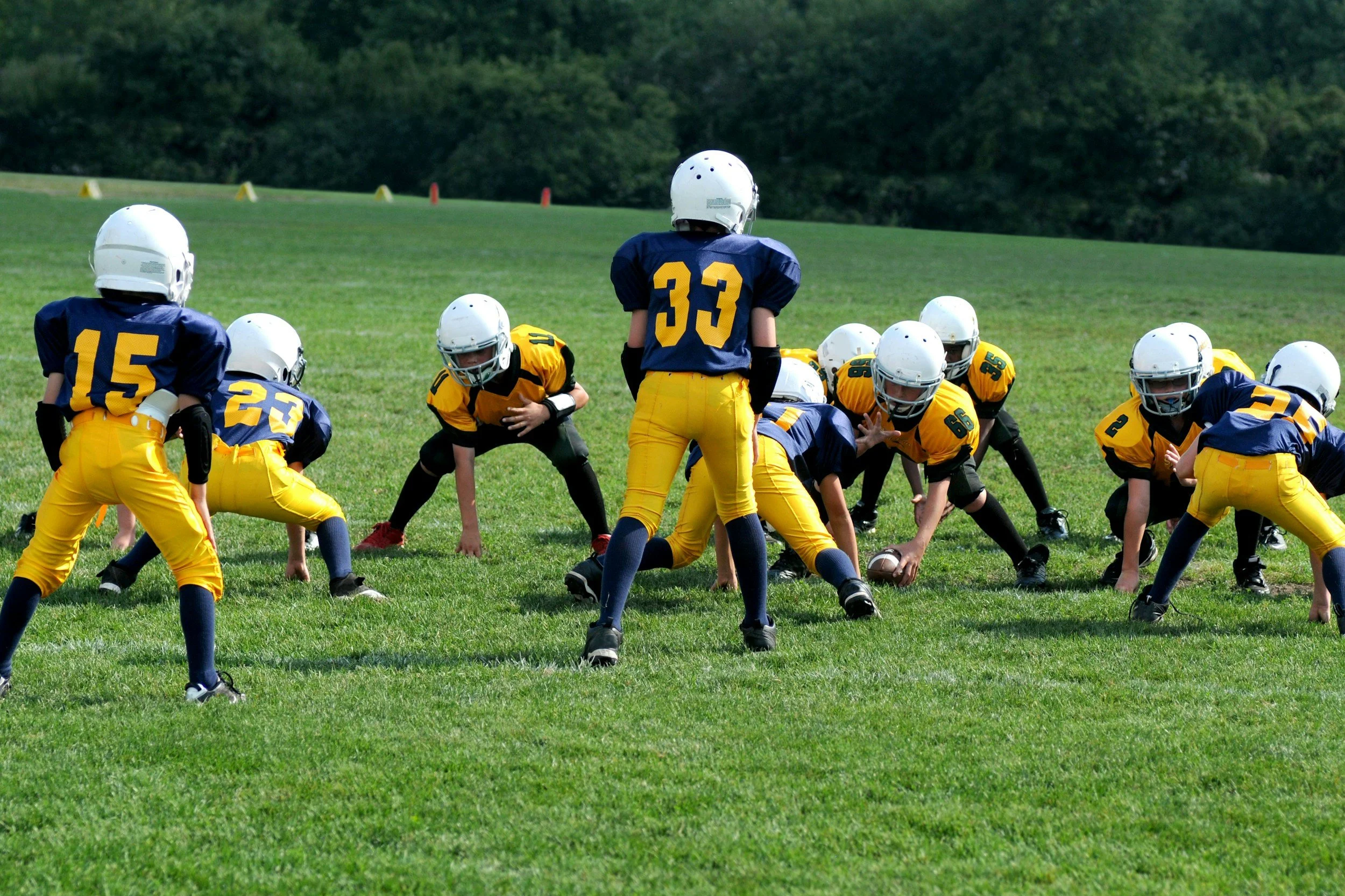
The Hidden Life Lessons Children Learn Through Sports, Martial Arts, and Other Activities
Children often develop some of their most important life skills outside the classroom. Sports, martial arts, music, and other structured activities can help shape discipline, emotional regulation, teamwork, resilience, and confidence in ways that extend far beyond the activity itself.
Children learn far more from experiences than from lectures. Some of the most important life skills are not developed during formal lessons, but through repeated participation in activities that gradually shape how children think, respond, communicate, and relate to others over time.
Sports, martial arts, music, clubs, creative activities, and other structured experiences often teach lessons that extend well beyond the activity itself. A child participating in team sports is not only learning athletic skills. They are learning how to cooperate with others, work toward shared goals, manage disappointment, respond to feedback, and continue contributing even when things do not go perfectly. They begin to understand concepts like accountability, persistence, and the importance of individual effort within a larger group.
Martial arts often provide a different but equally valuable set of experiences. In addition to physical training, many programs emphasize discipline, emotional control, patience, consistency, and respect. Children learn that frustration does not always require an immediate reaction and that growth often comes from repetition, structure, and gradual improvement over time. These experiences can help strengthen emotional regulation, confidence, and self-control in ways that extend into school, relationships, and daily life.
Creative activities such as music, art, theater, or dance also play an important role in development. These experiences often encourage self-expression, frustration tolerance, sustained attention, flexibility, and confidence. Children learn how to practice through difficulty, accept imperfection, and continue developing a skill even when immediate success does not occur.
Research in child development continues to support the idea that structured extracurricular activities can positively influence social development, emotional regulation, self-esteem, persistence, and overall well-being. Many of these environments provide opportunities for children to experience manageable challenges while also receiving support, encouragement, and constructive feedback from adults and peers.
At the same time, the activity itself is only part of the equation. The way parents respond to and reinforce these experiences at home also matters greatly. Children often absorb life lessons more effectively when adults help them reflect on the process rather than focusing only on outcomes.
For example, after a game, practice, recital, or competition, conversations centered around effort, teamwork, resilience, sportsmanship, preparation, emotional control, or personal growth are often more beneficial than conversations focused entirely on winning or performance. Helping children process setbacks, tolerate frustration, and recognize gradual improvement teaches them that success is not simply about results, but also about growth and persistence.
Parents also model many of these same lessons through everyday interactions. Children observe how adults handle stress, disappointment, conflict, patience, and responsibility. In many ways, the lessons children learn through activities become stronger when they are reinforced consistently within the home environment.
Not every child will connect with the same activity, and not every lesson develops at the same pace. What matters most is often consistent exposure to experiences that encourage growth, responsibility, emotional development, cooperation, and perseverance over time.
Many of the most important life lessons children develop are not taught through direct instruction alone. They are developed gradually through relationships, repetition, challenge, encouragement, and experience.
For more insights like this, follow along as we continue exploring child development, learning, and the power of everyday interactions.