
The Hidden Life Lessons Children Learn Through Sports, Martial Arts, and Other Activities
Children often develop some of their most important life skills outside the classroom. Sports, martial arts, music, and other structured activities can help shape discipline, emotional regulation, teamwork, resilience, and confidence in ways that extend far beyond the activity itself.
Children learn far more from experiences than from lectures. Some of the most important life skills are not developed during formal lessons, but through repeated participation in activities that gradually shape how children think, respond, communicate, and relate to others over time.
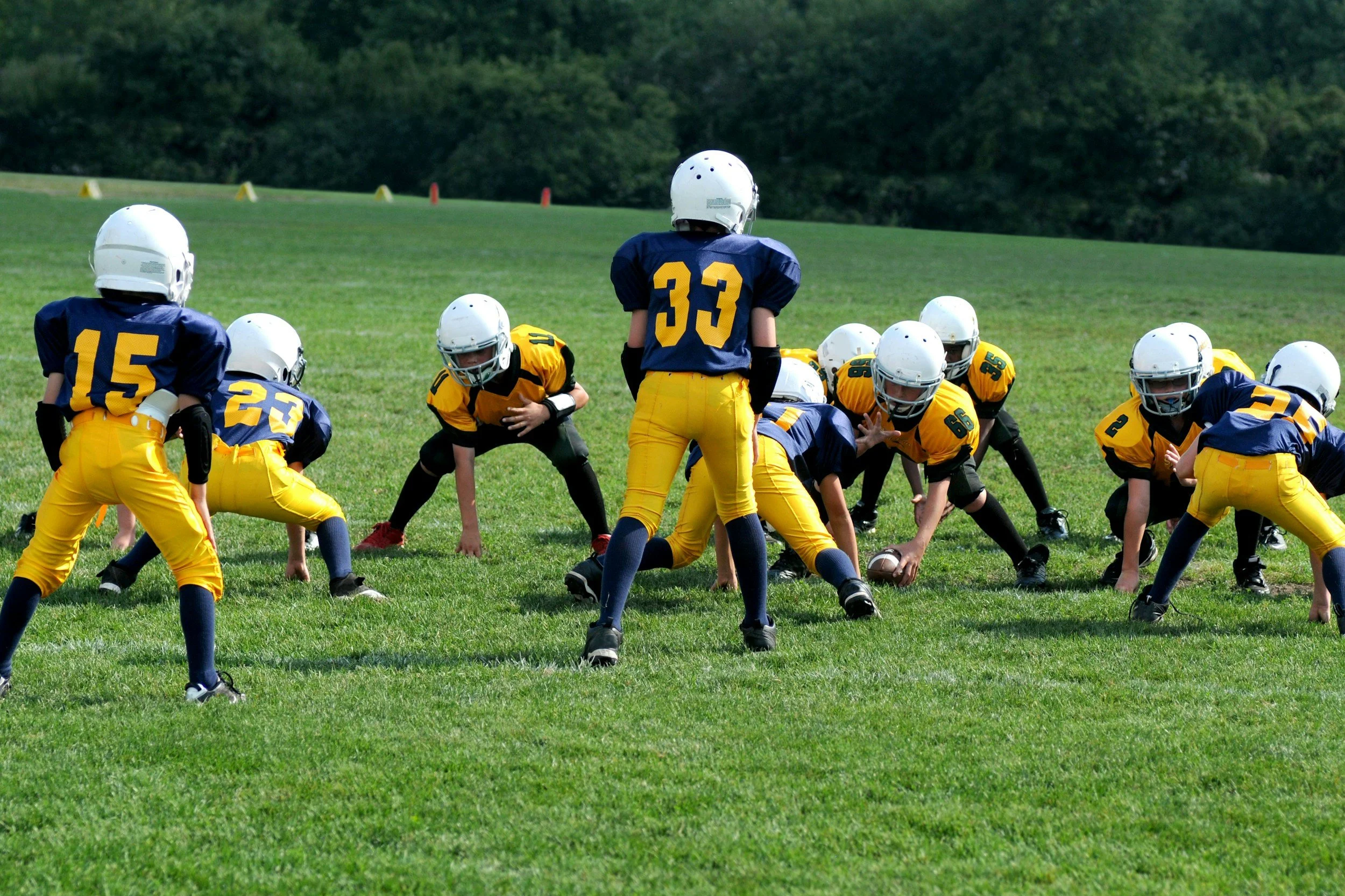
Sports, martial arts, music, clubs, creative activities, and other structured experiences often teach lessons that extend well beyond the activity itself. A child participating in team sports is not only learning athletic skills. They are learning how to cooperate with others, work toward shared goals, manage disappointment, respond to feedback, and continue contributing even when things do not go perfectly. They begin to understand concepts like accountability, persistence, and the importance of individual effort within a larger group.
Martial arts often provide a different but equally valuable set of experiences. In addition to physical training, many programs emphasize discipline, emotional control, patience, consistency, and respect. Children learn that frustration does not always require an immediate reaction and that growth often comes from repetition, structure, and gradual improvement over time. These experiences can help strengthen emotional regulation, confidence, and self-control in ways that extend into school, relationships, and daily life.
Creative activities such as music, art, theater, or dance also play an important role in development. These experiences often encourage self-expression, frustration tolerance, sustained attention, flexibility, and confidence. Children learn how to practice through difficulty, accept imperfection, and continue developing a skill even when immediate success does not occur.
Research in child development continues to support the idea that structured extracurricular activities can positively influence social development, emotional regulation, self-esteem, persistence, and overall well-being. Many of these environments provide opportunities for children to experience manageable challenges while also receiving support, encouragement, and constructive feedback from adults and peers.
At the same time, the activity itself is only part of the equation. The way parents respond to and reinforce these experiences at home also matters greatly. Children often absorb life lessons more effectively when adults help them reflect on the process rather than focusing only on outcomes.
For example, after a game, practice, recital, or competition, conversations centered around effort, teamwork, resilience, sportsmanship, preparation, emotional control, or personal growth are often more beneficial than conversations focused entirely on winning or performance. Helping children process setbacks, tolerate frustration, and recognize gradual improvement teaches them that success is not simply about results, but also about growth and persistence.
Parents also model many of these same lessons through everyday interactions. Children observe how adults handle stress, disappointment, conflict, patience, and responsibility. In many ways, the lessons children learn through activities become stronger when they are reinforced consistently within the home environment.
Not every child will connect with the same activity, and not every lesson develops at the same pace. What matters most is often consistent exposure to experiences that encourage growth, responsibility, emotional development, cooperation, and perseverance over time.
Many of the most important life lessons children develop are not taught through direct instruction alone. They are developed gradually through relationships, repetition, challenge, encouragement, and experience.
For more insights like this, follow along as we continue exploring child development, learning, and the power of everyday interactions.